

Operator OS 12 min read
Booth Rent vs. Commission
Booth rent vs. commission, argued from both sides: the break-even formula that tells a hairstylist or barber which one pays more, a worked weekly example, and the week that should decide it.
Practical guides for the people we build for — small-business operators, team and HR leads, household organizers and caregivers, big-decision makers, and fans. How-to walk-throughs, pricing breakdowns, planning frameworks, and watchlists, usually tied to one of our Excel, Google Sheets, or Notion workbooks.
The Guides
Showing 240 of 240 guides

A five-minute lot code system for honey sellers: what a honey lot number is, a code format to copy, what to record per lot, and where the code goes on the jar.
Booth rent vs. commission, argued from both sides: the break-even formula that tells a hairstylist or barber which one pays more, a worked weekly example, and the week that should decide it.

A nanny share is two families employing one nanny together. Here is how the cost split works, why each family is its own employer, and the eight terms to agree on before the first day.

How to score OKRs on the 0.0–1.0 scale: the formula for every kind of key result, why 0.7 is the target on a stretch goal, why committed OKRs must hit 1.0, and how to roll scores up without fooling yourself.

The 5 Ps of evacuation are People, Prescriptions, Papers, Personal needs and Priceless items. What each one covers, the order to grab them in, what to pack now so the list takes minutes instead of an hour, and the longer 7 P version you will also see.

In-home care vs assisted living cost, compared honestly: the hours-per-week crossover point where home care gets more expensive, the costs each sticker price leaves out, and the need that decides it before money does.

What a whiskey flavor wheel is, where it came from, the flavor families on a drinker's wheel, the pairs people confuse, and how to turn it into a tasting note.

The 37% rule says to look at the first 37% of your apartment search without committing, then take the first place better than everything you've seen. Here is the math underneath it, the failure case that is easy to miss, and the adjustments that make it work in a real rental market.

Oshi-katsu is the Japanese word for everything a fan does to support their favorite idol, VTuber or character. What the word means, the activities and slang it covers, why it went mainstream, and how to keep track of where your hours and money go.

A vendor selection scorecard weights what matters, rates every option 1–5, and ranks them before the demo can decide for you. The parts, the weights and a worked example.

The power-interest grid sorts every stakeholder by how much they can affect your change and how much it affects them. Here's how to score both axes, read the four boxes, and act on each.

How to make a homeschool transcript step by step: set a credit rule, turn logged hours into credits, grade, calculate weighted and unweighted GPA, and lay it out on one page, with a worked two-year example.

How a manager should respond to an accommodation request: one illustrative request followed from the first sentence to the 30-day check-in, with what to say, what to ask, what to write down, and the six ways managers stall the interactive process.

How to build a succession planting schedule: the five numbers it runs on, a worked bush bean example round by round, and the frost check that tells you which late sowing to skip.

The pre-trip inspection checklist the federal rule names: 11 parts to check before driving, the two steps drivers skip, and what to do with a fail.

Donghua is animation made in China. What the word means, how it differs from anime, the genres you'll meet, and six series and films to start with.

Your bank balance is not the money you can spend. Here's how a small nonprofit tracks restricted funds — the ledger, the six steps, and a worked example.

A worked Eisenhower matrix example for managers: one team lead's 17 tasks sorted into Do, Schedule, Delegate and Drop, with the capacity checks that make the Delegate box work on a real team.

When does an S corp make sense? Find your break-even profit with one formula — salary, payroll tax and running costs — worked at five profit levels.

How many days make a ski pass worth it: its price divided by the ticket you would really buy. Count your days before you buy, blackouts and bad snow included.

The price-to-rent ratio divides a home's price by a year of rent. Here is how to calculate it, what the 15 and 20 thresholds mean, and when the number lies.

A room-by-room aging-in-place checklist for a parent's home: what to check in every room, why the bathroom comes first, and how to rank fixes so the cheap ones get done this weekend.

Say you charge $45 to push a driveway. It looks like the same price in every winter, but it isn't the same profit. Here is what a push really costs a small plow operator, how the cost moves with the weather, and how to choose per-push, seasonal or capped pricing before you sign.

A worked 70-20-10 development plan example for one employee: what goes in the 70, the 20 and the 10, the hours behind each, and how to check the real mix at mid-quarter.

How to calculate zakat step by step: pick your zakat date, total cash, gold, investments and business stock, subtract what is deductible, check the nisab and apply 2.5%, with a worked example.
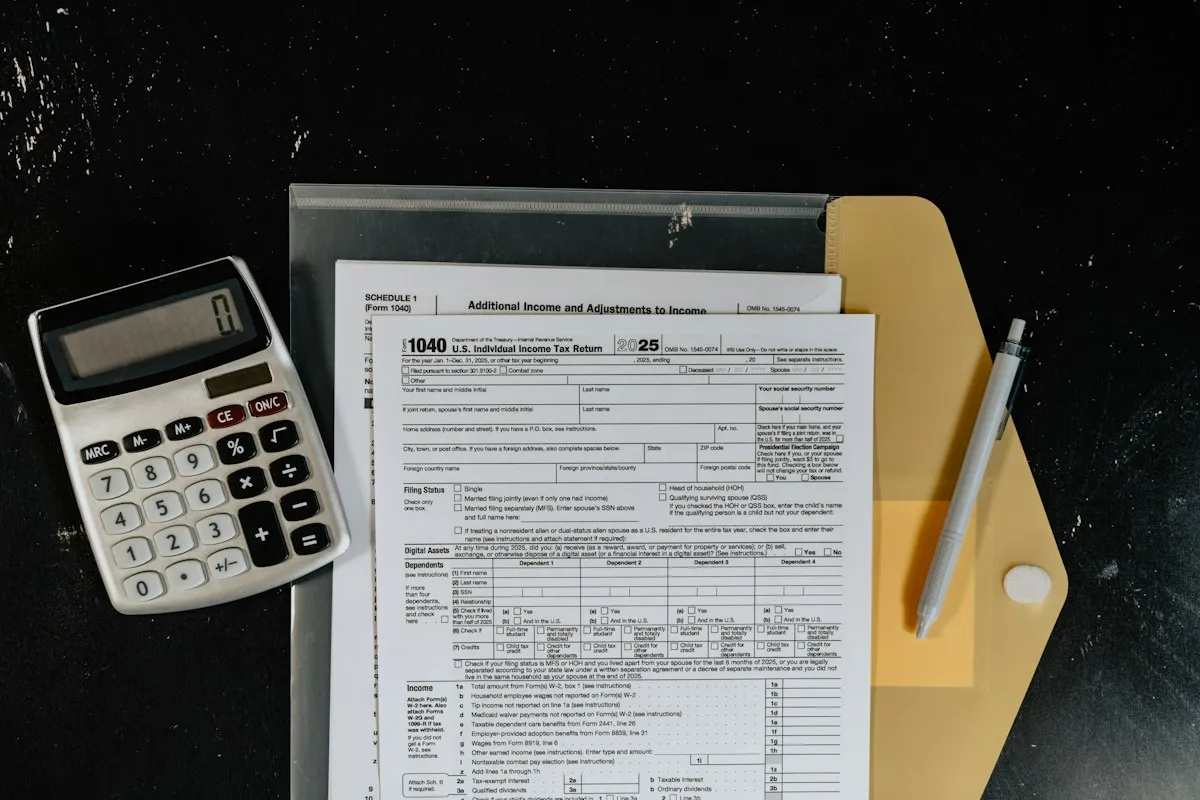
Where Box 1a goes on Schedule C, and where every piece of the gap lands: refunds on Line 2, fees on Lines 8 and 10, postage, sales tax, and the income no form reported.

Swedish death cleaning is decluttering done for the people who will inherit your things. Here are its five parts, a room-by-room order, and the written record that is easy to overlook.

The Heinrich safety pyramid says every serious injury sits on 29 minor ones and 300 near misses. Here is the case for it, the case against, and how a small crew should actually use it.

The four-fifths rule, explained for a layoff: how to calculate the impact ratio, a worked example with two comparator pools, the retention-vs-termination trap, and what the rule cannot tell you.

How to grade vinyl records yourself on the Goldmine scale: the light, touch and listening tests for each grade, how to grade the sleeve separately, and what each grade does to a record's value.

A repair credit cuts the cash you bring to closing; a price reduction cuts the loan. Take the credit if cash is tight — otherwise the lower price usually wins.

Time in range is the share of the day your blood sugar spends between 70 and 180 mg/dL. The five numbers on a TIR report, the targets, how TIR maps to A1C, and what a meter log can and can't tell you.

70 questions to ask your grandparents about their life, grouped by era, with the best one to start each section on and the follow-up that gets the real story.

The SBI feedback model turns vague feedback into three sentences someone can act on: Situation, Behavior, Impact. How each part works, with examples.

How to run a session zero for a tabletop RPG: a timed 90-minute agenda, the private way to collect lines and veils, and a 30-minute version for a group already playing.

Ordinary wear and tear is the deterioration a landlord absorbs. Damage is what the tenant caused. Here is where the line actually sits, item by item.

How to price 3D prints from the true cost, not the filament: material, electricity, printer wear, failed prints, your time and packaging, worked through one illustrative print to a price that pays.

How Social Security survivor benefits are calculated, why the higher earner's claiming age sets the survivor's check, and how to switch between benefits.

A full year of toolbox talk topics, one per week, ordered so seasonal hazards land in their season and no hazard family repeats inside four weeks — plus how to pick the order for your trade and when to break it.

Reading webtoons across several apps? Set up a five-column log in one sitting that shows where you stopped, how far behind you are, and what to read tonight.

How to write a performance improvement plan that someone can actually meet: the seven parts every PIP needs, the test each part must pass, and a filled-in eight-week example with every date worked out.

FDD Item 19 is where a franchisor puts any claim about what its outlets sell or earn, which the FTC rule calls a financial performance representation. Here is what the rule forces it to disclose, what it lets it leave out, and how to turn a gross-sales figure into what an owner actually takes home.

Follow one invented food pantry's letter of inquiry from blank page to signed PDF — the word budget, the weak first drafts, and the rewrites that get a full grant proposal invited.

Social Security decides every SSDI claim with the same five-step sequential evaluation, run in a fixed order that stops the moment it can reach an answer — and only two of the five steps can ever find you disabled.

Three lenders, three Loan Estimates, three different answers. Here is how to compare mortgage offers on what borrowing actually costs you — not on the rate.

Five shop policies do the heavy lifting for an online store. Here's what each one has to say, the one blank only you can fill, and where it goes.

A volunteer skills matrix maps every volunteer against every role and how ready they are for it — so you can see real coverage, find the roles resting on one person, and roster without guessing.

The rate on the load board isn't the rate you get. Here's the five-number check that tells you whether a load actually clears your cost per mile — deadhead, days and all.

There is no national apprenticeship hours table. The number that binds you is set in three separate places — the federal floor, your registered program standards, and your state licensing board — and they routinely disagree.

What each number on the trading card grading scale means at PSA, BGS and CGC, the centering tolerances behind every grade, and when grading costs more than it adds.

Recruiters quote one weekly number, and two offers quoted the same way can differ by thousands over a contract. Here is the five-step method for rebuilding both offers on the same basis until one of them clearly wins.

One raise, three people with a real case. Score retention risk, market gap and scope change separately so the money goes where it actually changes something.

Compa-ratio divides a salary by its pay-band midpoint, so you can compare pay across unlike roles — and find the underpaid person raw salaries hide.

What expenses go on Schedule E for a rental property? Part I has fifteen expense lines, 5 through 19. Here is what belongs on each one.

Six records cover most of the moments someone asks for paperwork about your animal — and where each one has to live to be any use.

Your holiday capacity is a number, not a feeling. The September math that tells you how many pieces you can actually make — and when to close the order book.

Discharge feels like the finish line, but it's a handoff — and across the studies that have measured it, a median of half of discharged adults are affected by at least one unintended medication discrepancy. Here's what to ask before anyone wheels you to the door.

A night-by-night Halloween movie marathon schedule built on a five-level scare ladder, so the film you pick on October 8 doesn't kill the whole month on October 9.

Volunteer retention isn't one problem, it's six. Here's how to recognize each type of volunteer on your roster, and the one move that actually keeps each one.

Should you raise the rent on a good tenant? Usually yes if you're below market — here's the turnover math, the break-even move-out risk, and when to hold.

A customer sees $129 on the invoice for an hour of work and assumes you kept $129. Here is the cost stack underneath a service call, and how to build your own billable rate from it.

When two employees don't get along, it is often an undefined seam between their jobs, not a personality clash. How to tell which, and fix the right one.

Ask five people whether to drop a class and you get five answers. Here's the honest case for each side, and the 20-minute check that settles it.

Standing on the shoulder, you're certain you'll remember every detail. Three weeks later, an adjuster asks a question you can't answer. Here's exactly what to capture in the first 48 hours.

Every small team has someone who, if they disappeared tomorrow, would take part of the operation with them. Here are the eight kinds, the tell for each, and the specific fix each one actually needs.

Picking a family movie shouldn't take forty minutes. It's a process problem, not a taste problem — run a three-round draft: nominate, veto, pick, film at 7:05.

What to do when a parent dies, in order: the five things that have to happen in the first 72 hours, who to notify in week one, and what to deliberately leave alone.

Volunteer hours land in grant reports, financial statements and your annual return. Here's the four-field log that captures them without nagging anyone.

Your board game shelf records what you bought, not what you play. Here's how to log plays, work out cost-per-play, and fix your shelf of shame.

The 8 types of fantasy football managers every league has — how to spot each one before your draft, the pick they'll reach for, and the counter that beats them.

How to organize your insurance policies before you need one: what to record for each, where originals belong, and the index that finds it in 30 seconds.

Renew your lease or move? Run this 10-minute cost check to compare both options and get one number that settles the decision.

Before you hand a college freshman the keys: check the first-year car ban, the permit price, and the insurance change. A fifteen-minute test before move-in.

Is grad school worth it? For some fields, hugely. For 40% of master's degrees, not at all. Here's both sides, and the four numbers that decide yours.

Build a structured interview scorecard in 20 minutes: pick the competencies, anchor the 1-5 scale, and score during the interview instead of arguing after.

An employee offboarding checklist for small shops: a 15-minute, four-pass routine — keys, access, knowledge, money — to run before someone's last day ends.

Renting a commercial kitchen isn't a bigger home kitchen — it's a different cost structure. Run the break-even before you sign anything.

How long to keep documents, category by category: the one-year shelf, the three-year tax rule, what to hold while you own it, and what to shred today.

Promote from within or hire externally? Promoting is cheaper and better-informed — until the role needs a skill nobody on your bench has. Three tests decide it.

A 10-minute setup that puts every airline, hotel, and card balance in one place — each with the date it quietly expires, and what it's worth.

Every collection is seven different things wearing the same jacket. Here's how to downsize a collection by sorting it into types, not piles.

How to dispute a medical bill step by step: get the itemized bill, find the error, appeal before the deadline, and escalate when the answer is no.

A family reading challenge has a way of dying by October. The problem isn't willpower — it's that you're counting finished books instead of minutes.

How to track hobby spending in ten minutes — turn a year of scattered purchases into one real number, then into all-in cost per item and cost per use.

Is a timeshare worth it? Usually not — unless you buy resale, pay cash, and already take the same trip every year. Here's the real math.

Back-to-school quietly wrecks small-shop coverage. How to re-collect availability, schedule staff around school hours, and price the gap before fall.

Your employer matched the outside offer. Here's the honest case for and against accepting a counteroffer, and the three tests that settle it.

The signs of employee burnout show up in your schedule, coverage, and time-off records before anyone says a word. Here's how to read them.

At 18, you lose the right to your child's medical, school, and financial records. Here are the 5 documents to put in place before move-in day.

Employee vs contractor for a small business: what each really costs, where the legal line actually sits, and how to decide before you bring on help.

Should you sell your house or rent it out? Walk one household's numbers — carrying costs, vacancy, and the capital-gains clock — then score the decision.

Which list you count against and what you call a visit decide your number. Here's how to track every country you've visited so it means something.

A collection is an inventory you never wrote down. Here's the field list and the three-pass method for cataloging one in a weekend.

Should you live on or off campus? The real cost comparison, the 12-month lease trap, and the tiebreakers that predict regret.

A calm system for tracking your whole family's medications, doses, and refills in one place — so nothing doubles up or runs out on a weekend.

How to track employee training and certifications so nothing lapses silently — the fields records need and the system that flags them before an audit does.

How to manage an underperforming employee: run this diagnostic before you write anyone off. Most underperformance is fixable — here's the coaching system.

Cruise or all-inclusive resort for your family vacation? A clear cost, pace, and sanity framework to decide which one your family will actually enjoy.

The fall 2026 anime season is stacked with sequels and revivals. Here are the 10 worth committing to — and how to avoid overcommitting to all of them.

How to hire seasonal staff before your fall rush: size peak-week headcount, work the hiring ramp backward from opening day, and budget the real cost.

Stuck between two apartments that both feel right? Use this 5-minute weighted scorecard to turn a gut feeling into a clear winner.

Build a vacation coverage plan for your small team in one afternoon: sort the work into three buckets, name backups, and stop dreading time-off requests.

Two good offers, one decision. Here's the total-comp math an offer letter hides, and how to score both offers instead of agonizing for a week.

Choosing a major on gut feel is the default — and a third of bachelor's students switch within three years. Score four weighted factors instead.

A three-person shop needs a handbook—not a corporate binder. Here's what actually goes in one, and how to write it in an afternoon.

The fixer-upper's lower price is the most misleading number in real estate. Here's how to score a fixer-upper against a move-in-ready home honestly.

You hired help — now what? A first-time boss's guide to running a simple, useful one-on-one with your first employee, without the awkwardness.

Why small-team managers in 2026 ask employees 'why do you stay?' before they quit — how stay interviews work and why they beat exit interviews.

The annual performance review is quietly dying — and small teams have the least reason to keep it. Here's what's replacing it in 2026, and how to run it.

How small shops set fair pay for a first employee: read the market, build a simple pay range, and budget the real cost beyond the hourly wage.

Stop arguing about where to go. Here's a fair, fast way to choose a vacation destination the whole group actually agrees on — score it, don't fight it.

Your shop runs on everything you carry in your head. Here's how to turn that into a written manual—SOPs anyone can follow—so it survives a day off.

Should a growing bakery cross-train the whole team or hire a specialist? Here's the real trade-off — and how to decide which your kitchen needs.

Life admin day is a recurring 90-minute session that keeps renewals, records, and paperwork from becoming expensive emergencies—and how to run yours.

Your digital life is an estate you've never mapped. Here's how to organize your online accounts, photos, and passwords so your family isn't locked out.

A season-by-season home maintenance calendar for new homeowners — the small tasks that keep a $15 filter from becoming a $5,000 repair.

The five roles handmade and maker businesses hire first, in order — and the one core skill that makes each new hire actually pay off.

Just hired your first helper? Here's exactly what to hand off first, what to wait on, and the few tasks you should never let go of.

A caregiver binder puts an aging parent's medical, financial, and legal info in one place — before a crisis forces you to find it fast.

Hiring your first helper after years working solo? How to onboard them well—the first week, the slow start, and a system to train without losing your rush.

Your most reliable employee is often your team's biggest single point of failure. Here's how to find your bus factor and lower it before someone leaves.

Hired seasonal help and somehow you're busier? Here's a practical, step-by-step system to get a new hire productive in days, not weeks.

The 9-box grid maps your team by performance and potential on one page. Here's how a talent review actually works—and how to run one.

Skills-based hiring is 2026's loudest trend — but most companies only announce it. Here's how managers actually hire for skills, not degrees.

Should you log your vitals at home or just trust your yearly physical? An honest look at when each one helps — and when it's just noise.

Spoilers, the remote, and the endless 'what should we watch' debate: the unwritten etiquette that keeps a group watch party from ending friendships.

Build a moving budget in 10 minutes — the five cost buckets most people forget, from deposits to the buffer, before you book the truck.

Some treats can't survive a hot delivery truck. Here's what to ship in summer heat, what to stop shipping, and how to pack so it arrives intact.

A family emergency binder keeps every critical document, account, and contact in one place. Here's what to include and how to build one this weekend.

A skills gap stays invisible until your best person quits. Here's how to run a skills audit and map your team's capability before it costs you.

Heat exhaustion and heat stroke look similar, but one is a 911 emergency. Here's how to tell them apart, what to do, and how to prevent both.

A 5-minute dorm shopping triage that sorts every item into buy now, buy there, or skip — so you don't overpack the car or overspend.
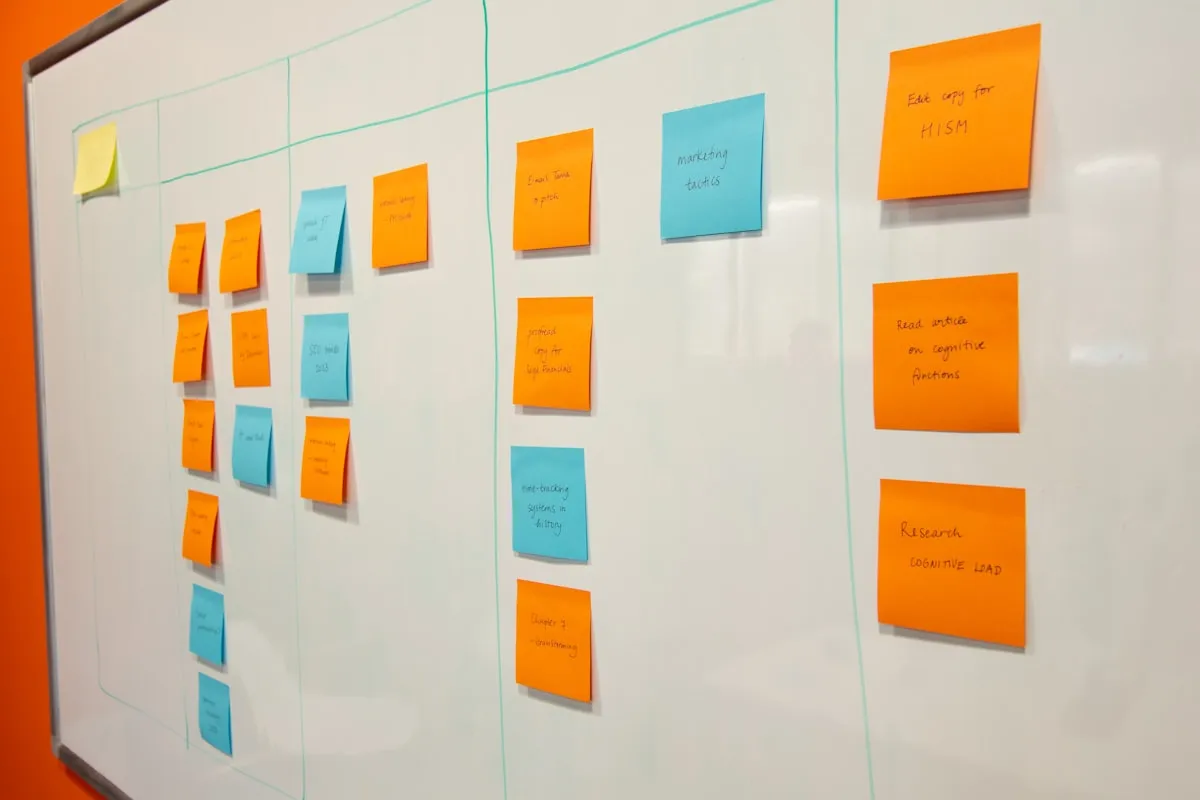
Pure Waterfall isn't staging a takeover—but the planning and structure behind it are being rehabilitated. Here's what project teams actually do in 2026.

The subbed vs. dubbed anime debate, settled honestly: what each side gets right, what the data actually says, and a simple way to decide how you watch.

A satirical job posting for the unpaid, full-time job of looking for work — plus the real system that turns the chaos into a manageable workday.

Is it cheaper to drive or fly for a family vacation? A clear cost, time, and sanity framework to decide between a road trip and flying this summer.

Sales dip every summer for online sellers. Here's why your shop goes quiet in July — and how to use the slow weeks to come back stronger.

The budget line is only part of what a project costs. Here's the hidden overhead — meetings, coordination, rework — and how to plan for it.

A 2-minute weekly review habit that stops your task list or planner from rotting into a graveyard of half-finished items.

A fast, room-by-room apartment walk-through checklist to catch deal-breakers before you sign the lease — water pressure, outlets, cell signal, and more.

How much water you actually need in summer, why the 8-glasses rule is wrong, and a 30-second way to track it without counting ounces.

Summer baking quietly eats home bakers' profits—melting buttercream, double energy bills, faster spoilage. Here's how heat cuts margins and how to fix it.

Remakes and remasters are dominating 2026's release calendar. Here's what's driving the boom, the biggest titles coming, and what it means for gamers.

Should you list your products on every online marketplace or focus on mastering one? An honest breakdown of the trade-offs and how to decide.

Between jobs and watching your savings drop? Here's how to calculate your runway, build a survival budget, and make your money last the whole search.

A five-minute system to split trip costs with friends fairly, track every shared dollar, and settle up once with zero resentment.

A hypothetical look at a maker juggling handmade orders with the kids home all summer—what breaks by July, and the system that saves the season.

Your summer job pays $14/hour — so why is your first paycheck so small? Here's exactly what gets taken out, and what you can get back.

Closing costs run 2–5% of a home's price. Here's a line-by-line look at what you're actually paying for at the closing table — and why it's so much.

Ten quiet signs your home baking hobby has turned into a real bakery business — and what to do once you finally admit it.

Seven resume archetypes recruiters skim past in seconds — and what the keeper looks like. Diagnose yours before you send another one.

The single-cour anime that built modern fandom is losing ground to split-cour, multi-cour, and continuous runs. Here's what's driving the shift.

Behind the published tuition: every bill, fee, and hidden cost that adds up to a real year of college in 2026, with the math and a plan.

A wry field guide to the nine summer promises you'll make in May, the way each one quietly breaks by July, and what to do with the wreckage.
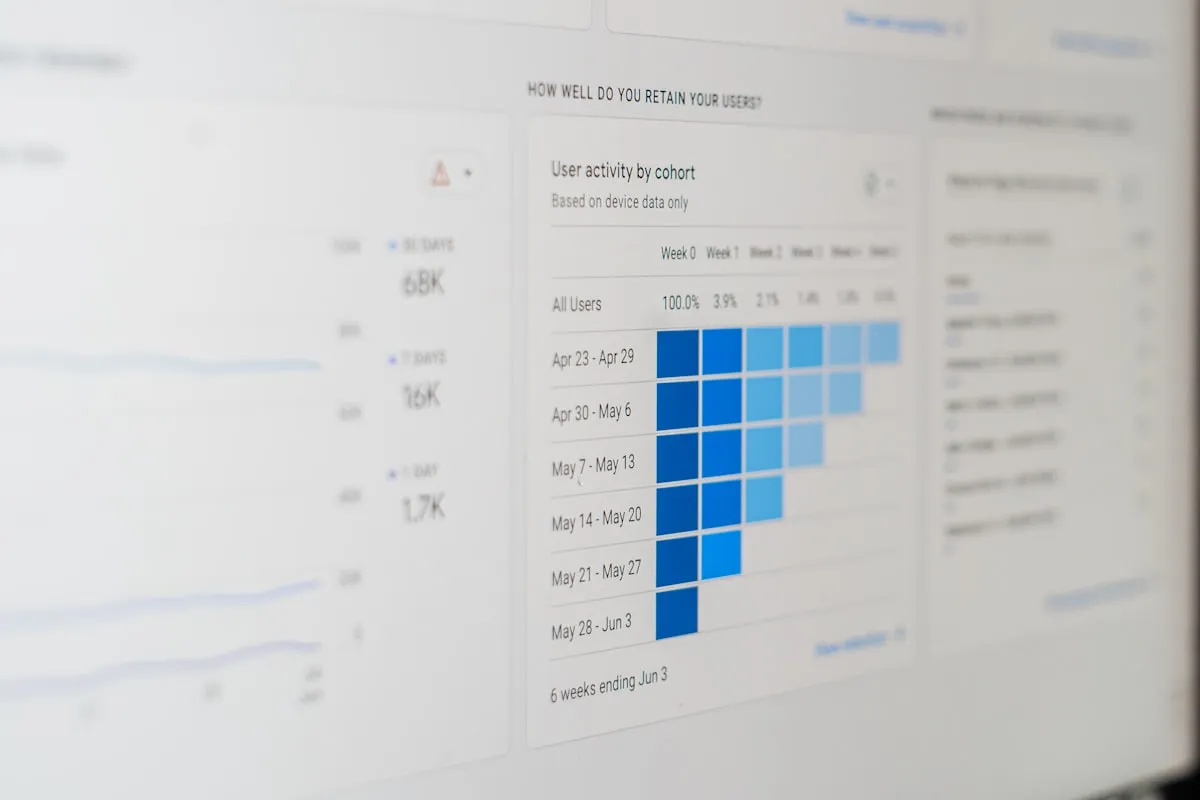
A grounded look at where AI is genuinely changing project management in 2026, where vendors are overselling, and what PMs should adopt now versus wait out.

Five numbers to run before you tour a house. In five minutes, you'll know whether the listing is actually affordable — not just whether you qualify.

A curated summer 2026 small-venue tour calendar — 8 indie, folk, and rock acts playing theaters and clubs where the fan base actually shows up.

A curated summer 2026 concert calendar — 13 stadium and arena tours across pop, country, rock, and K-pop, with what makes each one worth the ticket price.

A reality check on 7 viral YouTube productivity habits — why they don't survive a real schedule, and the lighter version of each that actually works.

Your resting heart rate is one of the most predictive numbers your body produces — and most people misread it. Here's what it signals and how to track it.

A color-coded summer plan can sound bulletproof in May and collapse by mid-June. Here's what predictably breaks — and the lighter system that survives.

A behind-the-curtain look at used car pricing in 2026 — what dealers really mark up, which fees aren't real, and the moves that save you thousands.

A humorous open letter from your watchlist about the 47 titles you'll never watch — plus the three-bucket triage that turns it into a list you actually use.

A field guide to the 9 Memorial Day BBQ host archetypes — what each one reveals about how they plan, and the small system that saves the day.

Take product photos that sell using only your phone — lighting, backgrounds, the 5-shot formula, and the edits that actually move clicks.

A curated summer 2026 movie calendar — 12 theatrical releases across blockbuster, prestige, horror, and animation, with what makes each worth the trip.

Pull back the curtain on what a year of healthcare really costs — deductibles, copays, prescriptions, time off work, and the buffer most households skip.

The pre-marriage money talks most couples skip — debt, credit, joint accounts, prenups, and four more — with the exact questions to ask.

A field guide to the 9 parent archetypes in the school pickup line — and what each one reveals about your family's coordination system at home.

Most stakeholder maps decay into wallpaper. The fix isn't a better grid — it's mapping decisions, not people. Here's the one-question reframe.

A field guide to the 7 interviewer archetypes you'll face — what each is really evaluating and the move that turns each one into a job offer.

Per-night rental prices hide half the cost. Here's a category-by-category breakdown of what a family beach vacation actually costs in 2026.

The universal nine-stage arc every productivity app puts you through, why most people quit at stage four, and how to build a system that actually sticks.

A field guide to the 10 spreadsheets every craft seller and home baker builds at 2 a.m. — what each one tries to fix, and why it always gets abandoned.

How to track allergy symptoms in a 30-day log that helps your allergist diagnose triggers and prescribe a treatment plan that actually works.

A Father's Day gift guide organized by dad archetype — for the grill guy, the tinkerer, the hobbyist, and the stoic dad who 'doesn't want anything.'

How to help an aging parent track their health without micromanaging — the conversation, the system, and the boundaries that protect both.

Wedding guests spend $610 per wedding on average -- far more if you fly. Here's the real breakdown and how to budget a yes-heavy summer without going broke.

A pre-arrival playbook for first-time summer interns -- the questions to ask, the system to set up, and the conversations that decide a return offer.

A kanban board isn't just for engineers. Here's how to use one to manage chores, projects, and personal goals without spinning.

A curated summer 2026 reading list -- 12 standout novels, thrillers, romantasies, and smart nonfiction picks worth taking to the pool, the porch, or the airport.

A salary negotiation guide with research benchmarks, scripts for the four hardest conversations, and the line that separates a confident counter from a lost offer.

A real side-by-side comparison of buying vs. leasing a car in 2026 — the math, the trade-offs, and the line that separates a smart buyer from a stuck one.

Graduating without a job offer? Skip the panic. A week-by-week plan to handle money, parents, and the job hunt without spiraling.

A step-by-step pricing framework for home bakers quoting custom wedding cakes — tiers, complexity multipliers, deposits, delivery, and the math most bakers skip.

A field guide to the seven shopper personalities that walk past your booth — what they actually want, and the exact move that turns each one into a sale.

The last two weeks of school are quietly the most chaotic stretch of the parenting year. Here's how to build a system before the scramble starts.

Never listened to podcasts? These 10 beginner-friendly shows span crime, storytelling, history, news, and fiction -- the perfect way in.

Your smartwatch collects data your doctor can't use. Here's the reframe — and what real at-home health tracking actually looks like.

Your first 90 days at a new job aren't a test — they're a grace period. Here's a week-by-week playbook for using it before it closes.

Memorial Day is five weeks out. Here's a realistic plan to book a last-minute getaway without paying holiday surge prices or settling for a trip you'll regret.

A decision framework for buy-vs-wait in 2026. Two honest sides of the argument, then the lines that separate a smart buyer from a stuck one.

Most RACI matrices fail within weeks. Here's why — and the two competing approaches to building one that actually sticks.

Your backlog isn't a failure list. Reframe it as a curated library and use a simple triage system to play what matters.

A complete graduation party planning guide with real budget breakdowns, timelines, and the shortcuts that save hundreds without making the party feel cheap.

The 5 signs you've crossed from hobby baker to unpaid business — and the conversations, prices, and boundaries that turn requests for cakes into actual income.

Thoughtful Mother's Day gifts organized by type of mom — because the best presents aren't the priciest, they're the most specific.

Experienced sellers don't panic after a bad review. Here's the exact decision tree they follow in the first hour — when to reply, when to refund, when to ignore.

A home inventory protects your family's finances. Here's how to build one room by room without spending an entire weekend on it.

A step-by-step system for managing every moving piece of a career change — from skills gaps to job applications to finances.

Tax season is over. Here's how to turn those fresh numbers into a financial plan that actually works for the rest of the year — in five concrete steps.

Most craft fair vendors underprice, overprice, or confuse buyers. Here are the five pricing mistakes that silently kill your sales — and how to fix each one.

A stress-free baby shower planning guide with 6-week timelines, real budget ranges, guest-list logic, and the host decisions that trip up every first-timer.

Moving into your first apartment? Here's what you actually need, what can wait, and what's a total waste of money.

Many home bakers significantly underprice their products. Here's how to calculate your true recipe costs and set prices that actually turn a profit.

Pack smarter for spring trips with this complete checklist covering clothes, toiletries, tech, and the items most travelers forget.

Stop nagging and start delegating. Here's how to build a household chore rotation that everyone follows — for families, couples, and roommates.

Stop blowing your tax refund on impulse buys. Here's a step-by-step system to turn that check into lasting financial habits.

A step-by-step system for tracking job applications, follow-ups, and deadlines so you never miss an opportunity again.

Multiple acceptances sound like a dream until you have to pick one. Here's a structured framework to make the biggest decision of your life with confidence.

Stop losing track of your products — here's how a simple SKU system can save you hours every week and prevent costly inventory mistakes.

Free templates aren't really free — they cost you hours of workarounds, broken formulas, and duct-tape fixes. Here's how to know when it's time to upgrade.

The definitive summer 2026 anime preview -- ten shows across action, fantasy, sci-fi, and romance that deserve a spot on your watchlist this July.

The definitive summer 2026 K-drama watchlist -- five recent hits to binge now and three upcoming releases worth blocking off your calendar for.

A tactical checklist for summer craft fairs — inventory planning, pricing, booth setup, and tracking what actually sells so you go home with profit, not stock.

Home bakers and food sellers can dramatically boost profits by treating meal prep like a real manufacturing operation.

Your watchlist is out of control, your manga collection has gaps you can't remember, and you just accidentally rewatched three episodes. It's time for a system.

Most craft sellers lose money on forgotten supplies, materials that expired in a drawer, and products they can't price because they never tracked the real cost.
A practical, room-by-room approach to auditing your subscriptions, organizing financial documents, and building tracking systems that actually stick.

Never watched a K-drama? These 10 shows are the perfect gateway -- from laugh-out-loud rom-coms to edge-of-your-seat thrillers.

A full breakdown of every Etsy fee, hidden cost, and margin killer — so you can finally see what you actually take home from each sale.

The financial benchmarks, planning steps, and mindset shifts you need before making the leap from part-time maker to full-time business owner.

Handmade sellers undercharge for predictable reasons. Here's the simple materials-plus-labor-plus-margin formula to stop leaving money on the table on every sale.

Turn household chaos into clarity with a home inventory spreadsheet that protects, organizes, and brings peace of mind.

The five pricing, inventory, and bookkeeping mistakes most handmade sellers make — and the fixes that keep a craft business profitable instead of just busy.

From Etsy SEO to effortless automation—10 powerhouse tools to help solo creators sell smarter, scale faster, and shine brighter.

Keep the joy, skip the chaos. Track who you're buying for, what you've bought, what's wrapped, and what it cost — instead of losing the list to sticky notes.

From kitchen to cash: how home bakers price baked goods for profit — ingredient costing, labor, overhead, and the markup that keeps a baking business alive.

Avoid 5 common HSA/FSA mistakes that cost you money—keep more of your healthcare dollars and stop “donating” to the IRS.

Grow your handmade business with recurring revenue — how craft sellers use subscriptions, virtual workshops, and memberships to stop chasing one-off sales.

Small extra mortgage payments cut years off your loan and save interest. Use Ardent Workshop’s Mortgage Payoff Calculator to plan your payoff

Supportive guide for new freshmen & parents: tips, stats, routines & campus resources + Ardent Workshop’s Dorm Checklist

Learn why target-date funds aren’t perfect for everyone and how a custom Excel retirement planner can help

The top K-Dramas of 2025 so far — period mystery, political thriller, medical drama, and crime suspense — with what makes each worth your watchlist this year.

Plan the ultimate family beach vacation with 10 tips covering packing, kid-friendly safety, sun protection, booking smart, and the small habits that save the trip.

Agile isn't dead — it's evolving. Here's what's replacing the daily standup and the ritual-heavy sprint: leaner, outcome-first workflows that actually ship.

Spy thrillers are dominating film and TV again. Here's what's driving the resurgence, the titles audiences are actually watching, and where the genre goes next.

Engaging baby shower games create laughter, connection, and lasting memories, making the celebration even more special!

Etsy SEO decides whether buyers ever see your listings. Here's how the search algorithm ranks shops — and the five moves that lift listings up the page.

Forgotten subscriptions quietly drain hundreds of dollars a year. Here's how to find them, decide what to keep, and track the rest before they renew again.