You did the math in your head. The summer job pays $14 an hour, you’re working about 25 hours a week, and that’s $350 a week — real money, finally yours. Then the first paycheck lands, you open the app, and the number is… not that. It’s noticeably smaller, and nobody warned you it would be.
Here’s the hard truth about your first paycheck: the amount you earn and the amount you take home are two different numbers, and the gap between them is permanent for the rest of your working life. The good news is that some of what’s missing is actually coming back to you — if you know how it works. Let’s break down exactly where your money goes, what you’ll never see again, and what you can reclaim.
Why Is My First Paycheck So Small?
Your first paycheck is smaller than your hourly rate suggests because of payroll deductions — money your employer is legally required to take out before they pay you. The big three are Social Security tax, Medicare tax, and income tax withholding. Together they can shave 15% to 25% off the top, depending on where you live and how you filled out one form on your first day.
This split has a name. The money you earn is gross pay. The money that actually hits your bank account is net pay, or “take-home pay.” The first time you see both numbers on the same stub, the difference is a small shock. It shouldn’t be — but no one teaches this in school, so almost every first-time earner learns it the hard way.
Gross Pay vs. Net Pay: The Gap Nobody Warns You About
Gross pay is what you earned. Net pay is what you keep. Everything between those two lines is a deduction, and your paystub lists each one. Learning to read that stub is the single most useful money skill a first-time worker can pick up, because it turns a confusing smaller-than-expected number into a list you actually understand.
The deductions fall into two buckets that behave very differently:
- Taxes you’ll never get back — Social Security and Medicare. Gone the moment they’re withheld.
- Taxes you might get back — federal and (in most states) state income tax. These are estimates your employer sends to the government on your behalf. If they over-estimated, you get the difference back at tax time.
Knowing which bucket each deduction falls into is the difference between feeling robbed and feeling informed. So let’s look at each one.
FICA: The 7.65% You’ll Never See Again
The biggest chunk you’ll never recover is FICA — the Federal Insurance Contributions Act tax that funds Social Security and Medicare. For employees, the rate is fixed: 6.2% for Social Security and 1.45% for Medicare, or 7.65% combined, according to the IRS’s Social Security and Medicare withholding rates (opens in new tab).
Three things make FICA sting for a first-time earner:
- It applies from the very first dollar. There’s no “you don’t earn enough to owe this” threshold. Even a $200 paycheck loses 7.65%.
- You don’t get it back. Unlike income tax, FICA isn’t refunded at tax time — even if you earn too little to owe any income tax at all. Being a full-time student doesn’t exempt you either; the IRS is explicit that students still pay Social Security and Medicare (opens in new tab) on wages.
- Your employer pays the same amount again. They match your 7.65% behind the scenes, which is why a lot of small businesses think hard before adding hours.
On a $700 biweekly check, FICA alone is about $53.55. That’s the floor — the part you can plan around but can’t avoid.
Income Tax Withholding: The Money You Might Get Back
Here’s where the news gets better. The federal and state income tax withheld from your check isn’t a final bill — it’s a prepayment. Your employer estimates what you’ll owe for the year and sends it in installments. When you file a tax return the following spring, you settle up. Over-paid? You get a refund.
And many summer workers over-pay, because of a number called the standard deduction. The standard deduction is the amount of income the government doesn’t tax at all. For 2026 it’s $16,100 for a single filer, per the IRS’s 2026 inflation adjustments (opens in new tab). In plain terms: if your total earned income for the year stays under that figure, you generally owe zero federal income tax — which means every dollar of federal income tax withheld from your summer checks comes back to you when you file.
The catch most students miss: that federal refund only arrives if you file a return. Skip filing because “I didn’t make much,” and you simply leave your own money with the government. (One wrinkle: if a parent claims you as a dependent, your standard deduction is calculated differently — the IRS dependent and student rules (opens in new tab) cover the details — but the core lesson holds: file, and reclaim what’s yours.)
The W-4 You Filled Out in 30 Seconds
Remember the form you barely read on your first day? That was the Form W-4, and it’s the single biggest lever over how much income tax gets withheld from each check. Fill it out one way and more is held back; fill it out another and less is. It doesn’t change what you ultimately owe — only the timing.
If you genuinely expect to owe no federal income tax this year (you earned nothing taxable last year and expect to stay under the standard deduction this year), you may be able to write “Exempt” on your W-4 so no federal income tax is withheld — meaning bigger checks now instead of a refund later. But the rules are strict: the IRS sets a two-part test, and guessing wrong carries a penalty. If you’re not sure you’ll stay under the threshold, it’s safer to let the tax be withheld and reclaim it at filing time. When in doubt, ask the person who handles payroll — they fill these out all summer.
A Sample Summer Paycheck, Broken Down
Here’s how the math plays out with illustrative numbers — a worked example, not your exact check. Say you earn $14/hour and work 50 hours in a two-week pay period:
| Line on your paystub | Amount | Coming back? |
|---|---|---|
| Gross pay (50 hrs × $14) | $700.00 | — |
| Social Security (6.2%) | −$43.40 | No |
| Medicare (1.45%) | −$10.15 | No |
| Federal income tax withheld | −$35.00 | Likely, at tax time |
| State income tax withheld | −$20.00 | Maybe, at tax time |
| Net pay (hits your account) | $591.45 | — |
You earned $700 but took home about $591 — roughly 15% lighter. Of the ~$109 withheld, about $54 (FICA) is gone for good, and about $55 (income tax) is potentially refundable when you file. Your exact split depends on your state — a handful of states have no income tax at all, which changes that last line — and on your W-4. State income tax rules vary widely, so check your own state’s department of revenue for the specifics.
What to Actually Do With What’s Left
Knowing why your paycheck shrinks is only half the win. The other half is having a plan for the take-home amount before it disappears on iced coffees and impulse buys. A summer of $591 checks is real money — around $3,000 across a ten-week summer — and where it goes is entirely your call.
A simple framework that works for first-time earners:
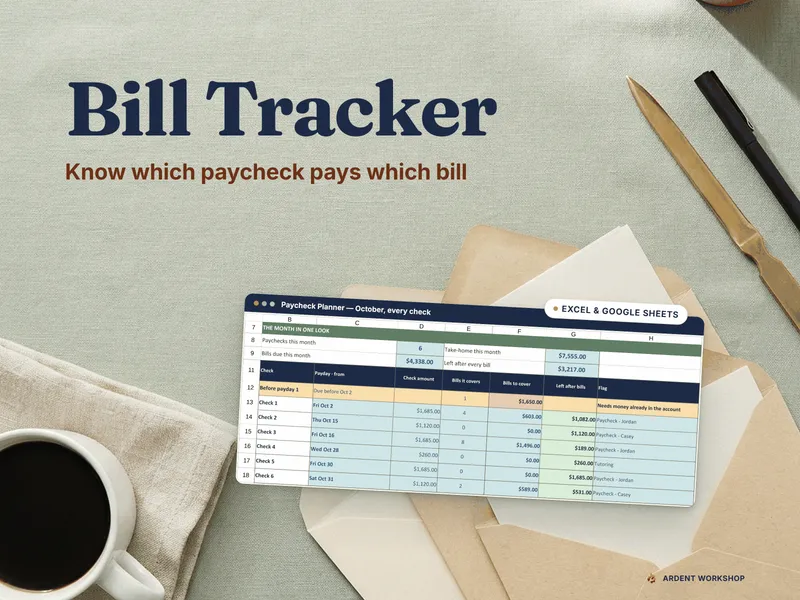
- Give every paycheck a job before it arrives. Decide your splits — spend, save, goal — in advance, so the money lands with a plan instead of a vibe. A lightweight bill and budget tracker makes those splits visible and keeps you from wondering where it all went.
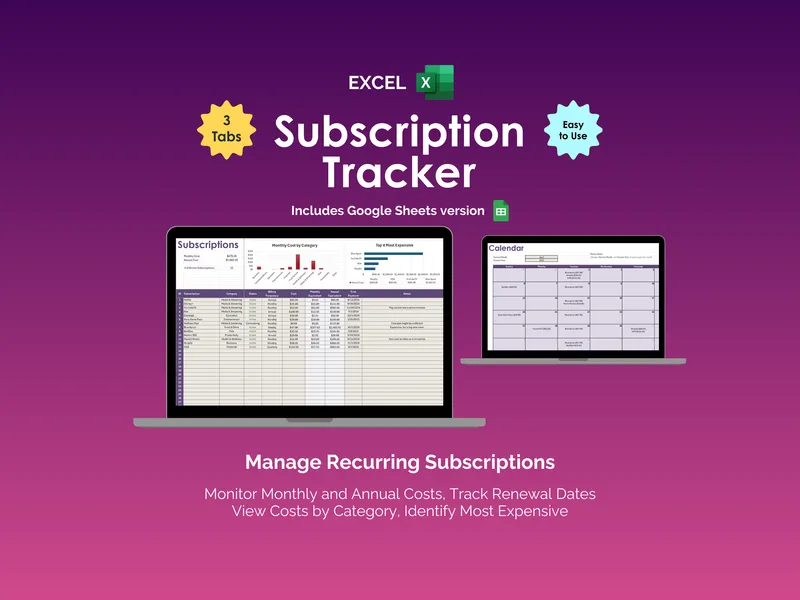
- Audit the small recurring drains. Streaming, music, that app you forgot you subscribed to — they quietly eat a teenager’s paycheck faster than anything. A subscription tracker shows you the monthly total you’re actually paying, which is usually higher than you’d guess.
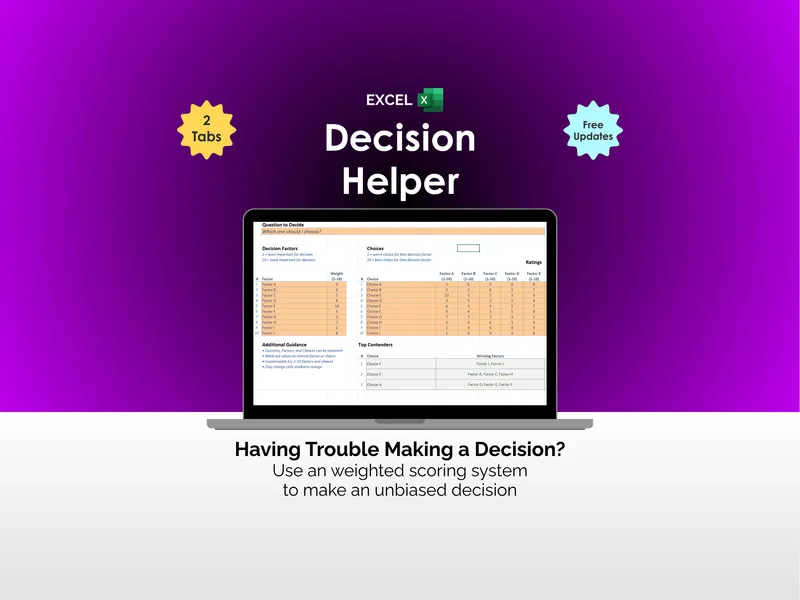
- Decide the big stuff on purpose. Saving toward a car, a first apartment, or college costs? When you’ve got one pile of money and several competing goals, a decision helper forces you to weigh them honestly instead of defaulting to whatever feels urgent that week.
- File a tax return next spring. It’s the only way to reclaim the income tax you over-paid. For most summer earners it’s quick, free, and the single highest-return hour of paperwork you’ll do all year.
The Takeaway
Your first paycheck is smaller than you think because gross pay and take-home pay are different numbers — and the gap is normal, permanent, and worth understanding. FICA’s 7.65% is gone for good. The income tax withheld is often refundable if you file. The W-4 controls the timing, not the total. Read your stub, give every dollar a job, and file your return — and the “where did my money go?” shock turns into a system you actually control.