Introduction to Subscriptions
In the age of convenience, subscriptions have quietly taken over our lives. From streaming services and cloud storage to productivity tools, gym memberships, and meal kits, it’s easier than ever to sign up — and forget. But while each monthly charge might seem small, these recurring payments add up quickly, often becoming hidden costs that silently drain your finances.
The Problem with Subscriptions
The very nature of subscriptions makes them easy to ignore. You might not notice a $5 or $10 charge here and there, especially when it’s buried in a packed credit card statement. But over time, unused or forgotten subscriptions can cost you hundreds, if not thousands, of dollars a year.
Here are just a few reasons why subscriptions become financial blind spots:
- Set it and forget it: Many services are designed to auto-renew without much notice.
- Bundled confusion: It’s not always clear what’s included in bundled subscriptions (e.g., mobile plans or software suites).
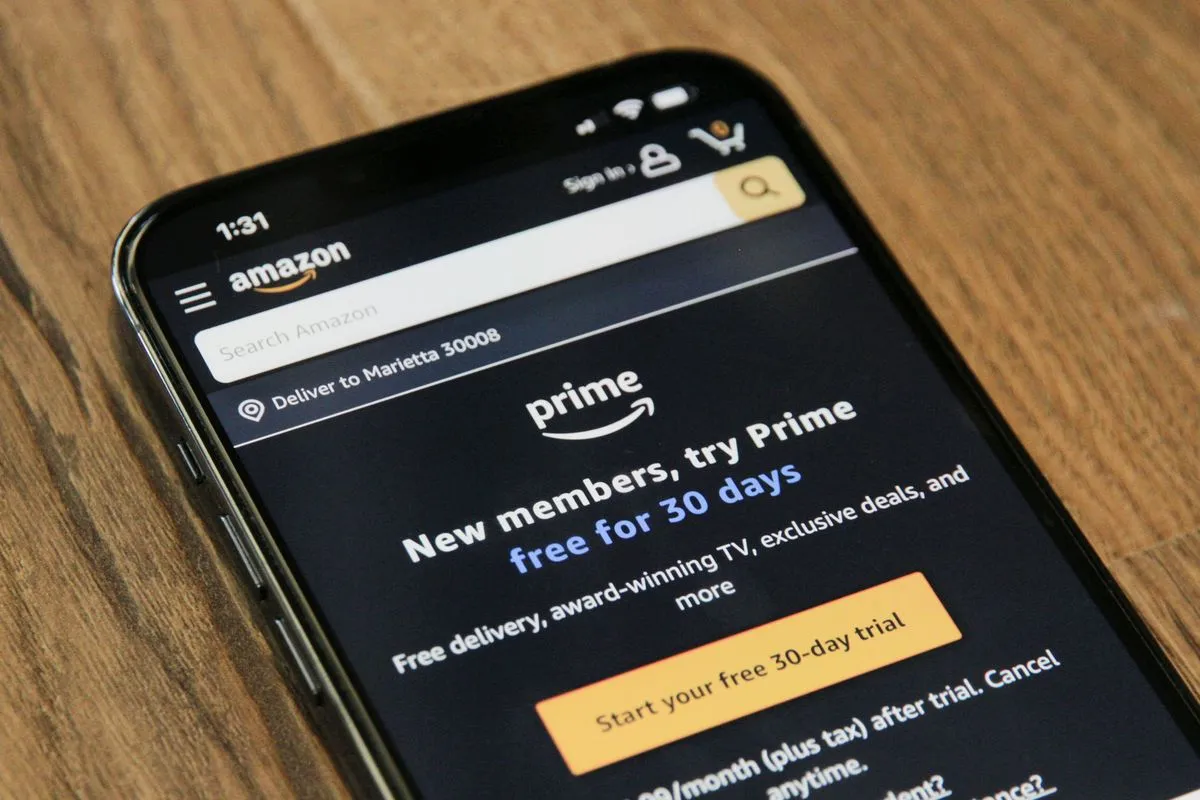
- Free trials that turn paid: These often convert automatically into paid plans if you don’t cancel in time.
- Multiple users: Families or teams may subscribe to overlapping or redundant services without coordination.
The Math Trick That Makes Subscriptions Invisible
Every subscription is priced in the unit that makes it feel smallest.
“$15.99 a month” is a number your brain files next to lunch. The same commitment stated honestly — “$191.88 a year, renewing automatically until you take action” — is a number your brain files next to decision. Same money. Completely different feeling. That gap is not an accident; it’s the business model.
So the single highest-leverage move in this entire post takes one column in a spreadsheet: multiply everything by 12.
Here’s what a fairly ordinary household list looks like once you do:
| Service | Monthly | Annual |
|---|---|---|
| Streaming service A | $15.99 | $191.88 |
| Streaming service B | $12.99 | $155.88 |
| Music streaming | $10.99 | $131.88 |
| Game subscription | $16.99 | $203.88 |
| Fitness app | $14.99 | $179.88 |
| News subscription | $9.99 | $119.88 |
| Cloud storage | $2.99 | $35.88 |
| Password manager | $2.99 | $35.88 |
| Gym membership | $39.99 | $479.88 |
| Meal kit (2 boxes/mo) | $60.00 | $720.00 |
| Total | $187.91 | $2,254.92 |
Illustrative list using common price points — not a survey. Yours will differ. That’s the point of writing it down.
Nothing on that list is outrageous. Not one line would make you flinch on its own. Together they’re $2,255 a year — a genuine vacation, an emergency fund, or roughly two years of paying an extra $100 toward a mortgage.
Nobody in this scenario ever decided to spend $2,255 on subscriptions. They made ten small, sensible decisions on ten different days, and the total was never displayed anywhere.
Why Tracking Matters
Being intentional about what you subscribe to is a simple yet powerful way to reclaim control over your spending. Tracking your subscriptions can help you:
- Identify and cancel services you no longer use
- Avoid surprise charges or overlapping services
- Budget more effectively by knowing your fixed monthly costs
- Set reminders for renewal dates to avoid unwanted charges
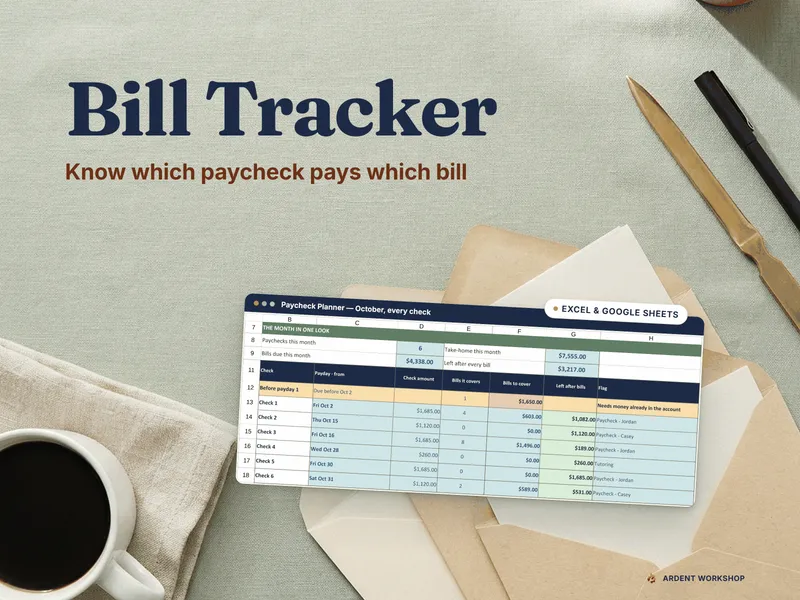
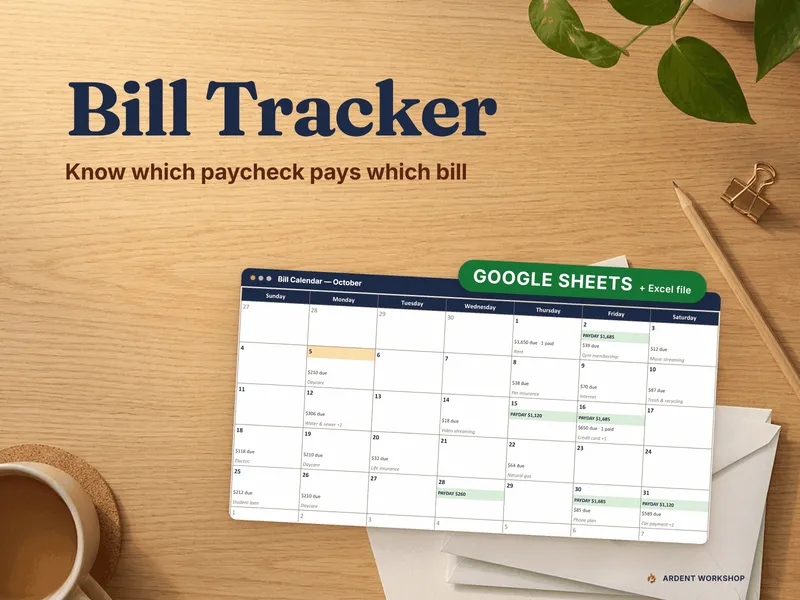
In short, tracking makes your spending transparent — and that’s the first step toward managing it better. Pairing a subscription tracker with a broader Bill Tracker (Excel) — or its Sheets version — gives you the full picture: recurring digital charges and the rest of your fixed monthly costs in one view.
How to Find Every Subscription You Have
You cannot cancel what you can’t see, and the list in your head is not the list. Work these six sources in order — each one catches things the previous one missed:
- Your phone’s app store subscriptions page. iPhone: Settings → your name → Subscriptions. Android: Play Store → profile → Payments & subscriptions. This catches app subscriptions billed through the platform, which are the ones people most often forget they have.
- Search your email for “receipt,” “your subscription,” “renewal,” “thank you for subscribing,” and “your trial.” Your inbox is the most complete archive of your own spending that exists.
- Scan 3 months of card and bank statements line by line. Three months, not one — quarterly and annual charges hide from a single month’s view.
- Check every card, including the one you don’t use. Subscriptions live on the card that was in your wallet in 2019.
- Look at PayPal’s automatic payments and any “pay” wallet you’ve used. This is the single most-missed hiding place.
- Check the annual charges specifically. A $119 yearly renewal is 40% larger than a $9.99/month habit and gets 5% of the scrutiny, because it only interrupts you once.
Write down every one with its price, renewal date, and card. That list, sitting in one place, does most of the work before you cancel anything.
The Metric That Decides What to Keep: Cost Per Use
Once you have the list, you need a decision rule, or you’ll just feel vaguely guilty and change nothing.
The rule is cost per use. Divide the monthly price by how many times you actually used it last month — not how often you intended to.
| Service | Monthly | Times used | Cost per use | Verdict |
|---|---|---|---|---|
| Gym | $39.99 | 12 | $3.33 | Keep — that’s a bargain |
| Gym | $39.99 | 2 | $20.00 | Two drop-in passes cost less |
| Streaming A | $15.99 | 14 | $1.14 | Keep |
| Streaming B | $12.99 | 1 | $12.99 | Cancel; resubscribe for the one show |
| Fitness app | $14.99 | 0 | — | Cancel today |
| Password manager | $2.99 | 30 | $0.10 | Keep — obviously |
This reframe does something important: it stops the conversation from being about virtue. The gym isn’t good or bad. At 12 visits it’s $3.33 a session and excellent value; at 2 visits it’s a $20-per-visit donation to a company betting you won’t come. Same membership, opposite decision, and the deciding fact is a number you can look up.
The uncomfortable truth in that table is that a subscription you don’t use isn’t a small waste — it’s a 100% waste. A $12.99 charge for one movie you could have rented for $3.99 isn’t overpaying by a bit. It’s the most expensive way to watch that movie.
Free Trials: Know the Real Cost of Forgetting
A free trial is a bet the company makes about your memory, and the odds are excellent — for them.
Sign up for a 30-day trial at $15.99/month, forget to cancel, and notice 12 months later: $191.88 for something you tried once. The trial wasn’t free. It cost $191.88 and a year.
Three habits make trials genuinely free:
- Set the cancel reminder before you set up the account. Not “in a few weeks” — a calendar alert for two days before the trial ends. Do it while you still care.
- Cancel immediately after signing up. Most services let you cancel and still use the remaining trial period. This is the strongest move available and almost nobody does it.
- Write the renewal date down in the same place you track everything else.
Expect the Cancellation to Be Deliberately Annoying
Signing up takes one click. Cancelling takes a scavenger hunt — and that asymmetry is designed.
You’ll meet some combination of: a buried settings menu, a “are you sure? here’s 50% off” offer, a guilt-worded confirmation screen (“we’ll miss you”), a required phone call, or a chat agent with a retention script. None of this is your incompetence. It’s a funnel.
Two things that help:
- Take the retention discount if you genuinely use the service. 50% off for six months on something scoring well on cost-per-use is a real win — just set a reminder for when the discount ends, because that’s when the price silently doubles back.
- If a service is truly impossible to cancel, contact your card issuer about blocking the merchant. Save this for last resort, since it can leave the account in a messy state — but it exists.
How Ardent Workshop’s Subscription Tracker Can Help
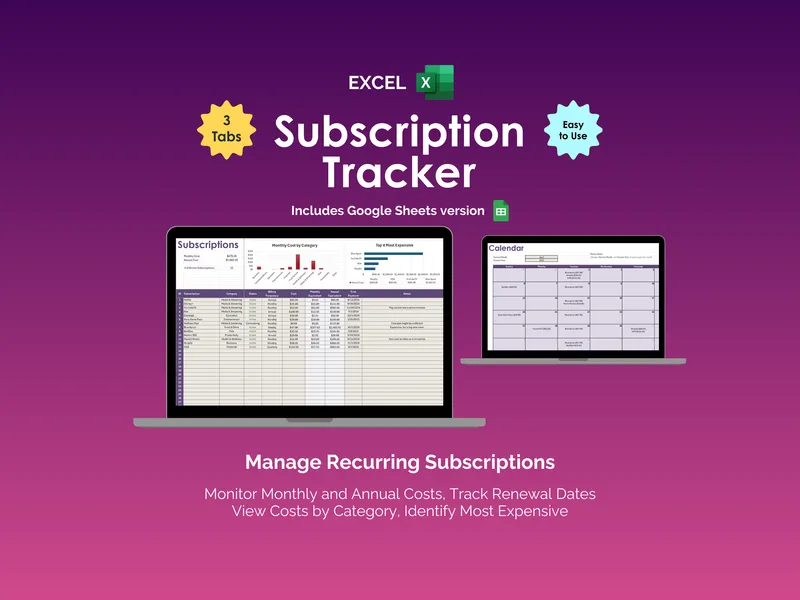
Managing your subscriptions manually through spreadsheets or memory is possible, but far from ideal. This is where tools like the Subscription Tracker by Ardent Workshop come in.
Ardent Workshop’s tracker offers a simple yet powerful solution:
- Centralized dashboard: View all your active subscriptions in one place.
- Cost summaries: Understand how much you’re spending monthly and annually and identify top costs.
- Track renewal dates: Keep track of when trials end and when renewals hit your account.
- Categorization: Organize subscriptions by type (entertainment, media & streaming, food & drink, etc.) for better clarity.
By using a purpose-built tool like Ardent Workshop’s Subscription Tracker, you transform passive spending into active management. It’s not about canceling everything — it’s about knowing what you’re paying for and making sure it aligns with your priorities.
Do This Once a Year
The audit is not a one-time cleanup, because the list regrows. Put a recurring 30-minute appointment on your calendar — pick a date you’ll remember, like the week after New Year’s — and each time:
- Pull the current list from all six sources above.
- Add the annual column and total it. React honestly to the total.
- Score each line on cost per use from the last month.
- Cancel anything at zero uses. No deliberation; zero is zero.
- Question anything whose cost per use beats buying it à la carte.
- Check for price increases since last year — they arrive quietly.
- Note every renewal date so next year’s audit starts from a real list.
Thirty minutes, once a year, against a four-figure annual line item. There is not a better hourly rate available in personal finance.
The Bottom Line
Subscriptions aren’t inherently bad — many offer genuine value. But when they go unmanaged, they become invisible leaks in your budget. Don’t let forgotten subscriptions undermine your financial goals. Start tracking today, and take back control with tools like the one from Ardent Workshop.
You’d be surprised at how much you can save — and how much peace of mind you’ll gain — by simply paying attention.