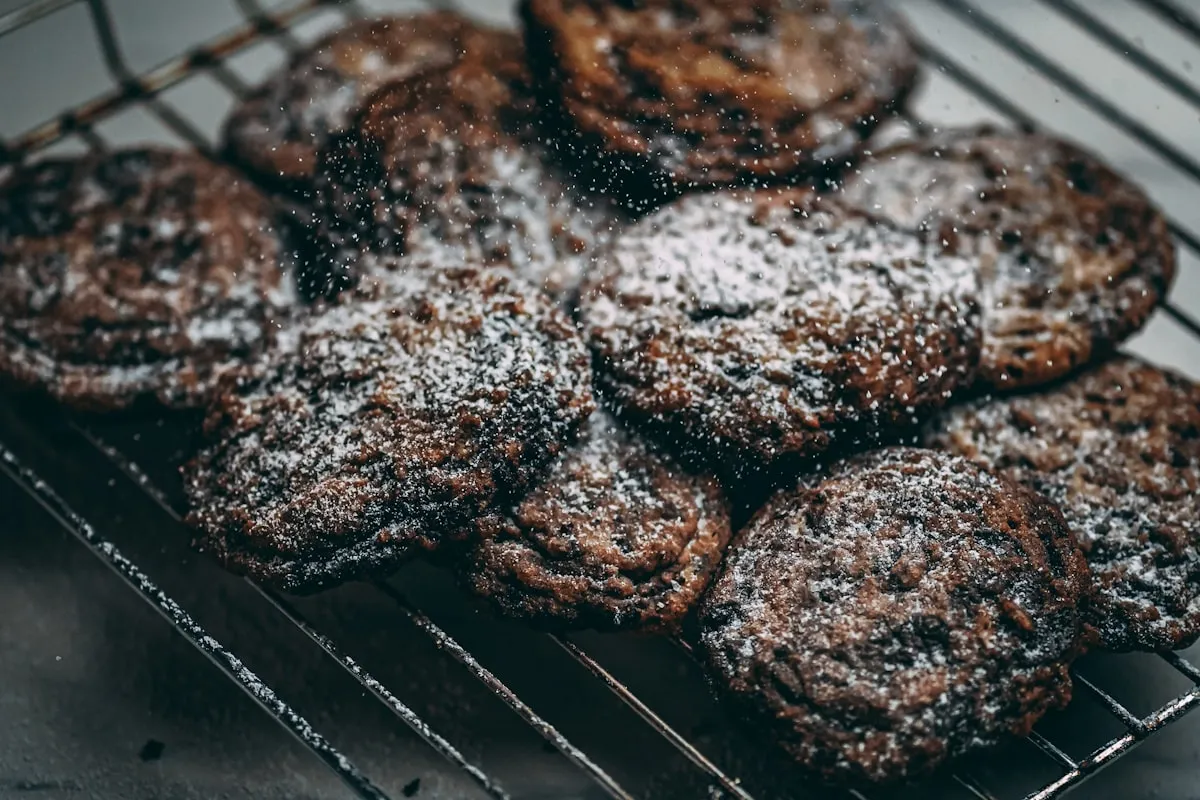
There was no announcement. No grand opening, no ribbon to cut, no moment where you stood in your kitchen and declared, “I am now a bakery.” And yet here you are at 9 p.m. on a Tuesday, piping buttercream onto your fourth dozen cupcakes, checking a spreadsheet of pickup times, and quietly resenting the friend who said “just whip something up, it’s easy for you.”
Somewhere between the first batch of cookies you gave away and the order you took money for last week, a hobby turned into a business. Nobody told you. You just kept baking.
Here’s the reframe: a home baking hobby becomes a business the moment money starts changing hands with the expectation of more. Not when you file paperwork, not when you “feel ready” — the business is already running. The only question is whether you’re running it on purpose or letting it run you.
This post is the gentle intervention. Below are the signs your kitchen has quietly crossed the line, why it matters more than it seems, and what to actually do once you admit it.
What Counts as a “Bakery Business” (and Why the Line Matters)
A bakery business is any baking activity carried out with the regular intent to make money — even if it’s part-time, cash-only, and run entirely from your home oven. You don’t need a storefront, an LLC, or a commercial kitchen to qualify. You need repeat transactions and the expectation of profit.
This isn’t just a vibe. The IRS draws a real line between a hobby and a business, and the distinction changes how you’re taxed. In its guidance on how to tell the difference between a hobby and a business (opens in new tab), the agency lists factors like whether you keep accurate books, whether you depend on the income, and whether you’ve changed your methods to improve profitability. Translation: the more “businesslike” you act, the more the law treats you as a business — and income from selling baked goods is generally taxable either way.
So the line matters for three reasons:
- Money. If you’re not tracking costs, you may be losing money on every order and calling it a hobby.
- Taxes. Selling regularly creates reporting obligations, but it also unlocks legitimate business deductions you can’t claim as a hobbyist.
- Legality. Selling food made in a home kitchen is regulated. Nearly every U.S. state now has a “cottage food” law that permits home bakers to sell shelf-stable goods, but the rules vary widely — revenue caps, labeling, and where you can sell. The Institute for Justice’s tracking of homemade food laws (opens in new tab) is a good starting point for what your state allows.
You can stay a happy hobbyist forever. But if you’re already past the line, pretending you’re not is the expensive option.
10 Signs Your Kitchen Is Already a Bakery Business
You don’t need all ten. If three or four of these land uncomfortably close to home, the verdict is in.
- You have a dedicated shelf in the fridge that family members are forbidden to touch. “That’s not for us, that’s for the Hendersons’ anniversary.”
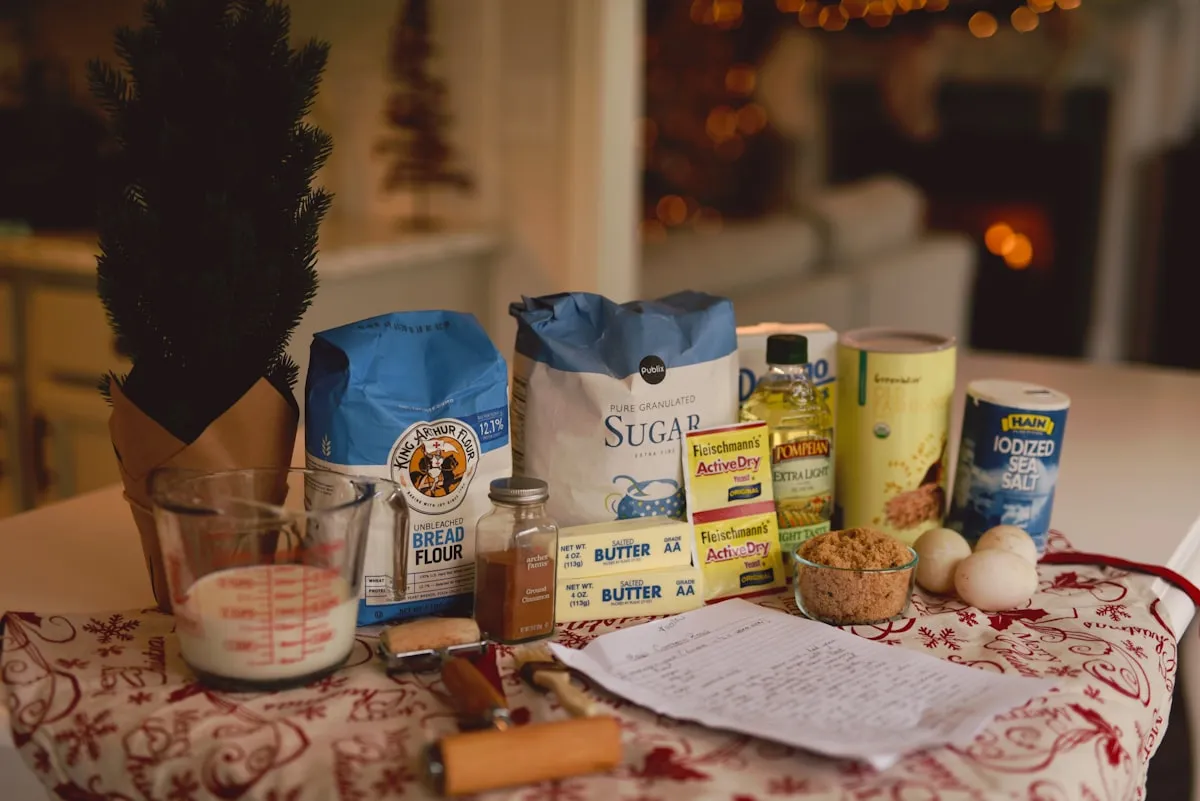
- You order ingredients in quantities that alarm the cashier. Nobody buys 50 pounds of flour and four cases of vanilla for personal use.
- You have a “menu,” even if it only lives in your head or a Notes app. Prices included. Maybe even tiers.
- You’ve turned down a request because you were “booked.” Booked. For your hobby.
- Someone has paid you a deposit. Money changing hands before the product exists is the single clearest sign you’re operating a business.
- You own equipment you’d never buy for yourself. A second stand mixer. A blast of sheet pans. A label printer. A second fridge.
- You think in batches and margins, not servings. You’ve caught yourself calculating cost-per-cookie in the shower.
- You have repeat customers who aren’t related to you. And they refer their friends.
- Your calendar has “orders” on it. With deadlines. That you stress about.
- You’ve felt the specific exhaustion of a job — for something that started as joy. This one isn’t funny. It’s the most important sign of all.
That last point is the real reveal. The reason this reframe matters isn’t bureaucratic. It’s that an unacknowledged business has all the work of a business and none of the structure — no pricing that protects you, no boundaries, no record of whether it’s even worth it. You get the stress without the payoff.
Hobby vs. Business: The Honest Comparison
The difference isn’t how good your baking is. It’s how you treat the operation behind it. Here’s the contrast:
| Dimension | Still a Hobby | Now a Business |
|---|---|---|
| Motivation | You bake because you love it | You bake because people are waiting on you |
| Money | You give it away or break even | Cash, deposits, and a price list are involved |
| Costs | You don’t track them | You should be tracking them (even if you aren’t) |
| Time | Whenever you feel like it | Around deadlines you didn’t set |
| Scale | One batch for fun | Multiple orders, multiple customers |
| Stress | Relaxing | Occasionally dreadful |
If your honest answers cluster in the right-hand column, you’re not a baker who sells sometimes. You’re a business owner who hasn’t filed the mental paperwork yet.
What to Do Once You Admit It
Admitting you’re running a business doesn’t mean quitting your job or renting a commercial kitchen. It means giving the thing you’re already doing the structure it deserves. Start with these five moves, in order.
1. Know your actual cost per item
You cannot price what you cannot measure. One of the most common mistakes home bakers make is pricing off ingredients alone — flour, sugar, butter — while ignoring packaging, electricity, the half-bag of specialty sprinkles, and, above all, their own time.
Work out the true cost of one finished item: ingredients, packaging, a share of overhead, and an hourly rate for your labor. As a worked example, a dozen decorated sugar cookies might run $4 in ingredients, $2 in packaging, and 90 minutes of your time — at even $20/hour, that’s $30 of labor before you’ve made a cent of profit. Pricing those cookies at “$15 because that feels fair” means you’re paying customers to take them.
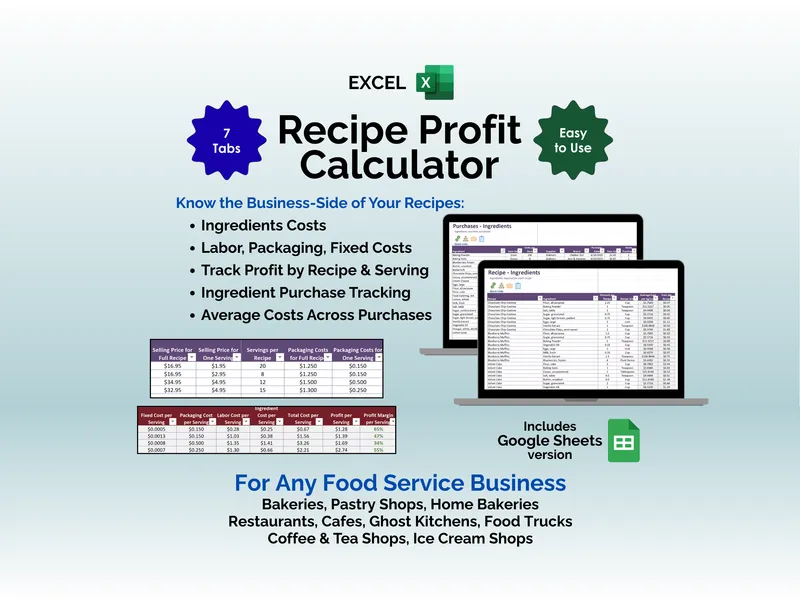
A recipe profit calculator does this math for you, so every product gets a price that includes your time instead of quietly subsidizing it.
2. Set a price that includes profit, not just costs
Once you know your cost, add a margin on top — that’s the part that pays you, funds new equipment, and absorbs the order that goes wrong. Costs keep the lights on; margin is the reason to keep going. Underpricing is one of the surest ways to burn out on a home food business, and it’s entirely fixable with a formula instead of a feeling. (If you bake to order, our guide on how to price baked goods walks through the full math, and when to stop baking for free covers the harder emotional part.)
3. Separate the money
Open a separate account or, at minimum, a separate envelope for baking income and expenses. Mixing business and personal money is how you lose track of whether you’re profitable — and it makes tax time a nightmare. Clean records also happen to be one of the IRS factors that distinguish a real business from a hobby, which works in your favor when claiming deductions.
4. Learn your state’s cottage food rules
Before you take one more order, find out what your state actually permits. Cottage food laws govern what you can sell (usually shelf-stable items — cookies, breads, certain cakes — not anything requiring refrigeration), how much you can earn, how products must be labeled, and whether you can ship or only sell locally. The rules are specific and they’re enforced. Ten minutes of research now beats a cease-and-desist later.
5. Track inventory and orders like they’re real
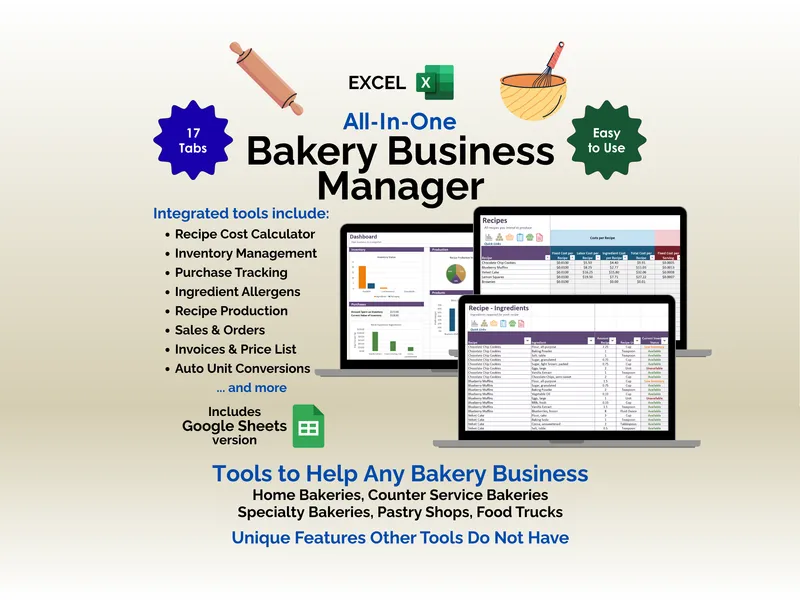
Because they are. Know what supplies you have, what you’ve committed to, and what’s due when. A running kitchen inventory stops the 11 p.m. discovery that you’re out of cream cheese with three cheesecakes due tomorrow. And as orders multiply, a single system to manage recipes, costs, customers, and schedules — like the Bakery Business Manager — replaces the six half-finished spreadsheets and the sticky note on the fridge.
The Bottom Line
If you’ve read this far nodding, the reframe has already done its job. Your kitchen didn’t ask permission to become a business, and it won’t wait for you to feel ready. The good news is that acknowledging it doesn’t make it harder — it makes it sustainable. You stop guessing at prices, you stop losing money on “favors,” and you start keeping the part of this that made you fall in love with baking in the first place.
Treat it like a business and it can pay you like one. Keep treating it like a hobby and it’ll keep charging you like a hobby — in time, ingredients, and quiet resentment.
And when your home operation outgrows a spreadsheet — more orders than you can track by hand, ingredients across multiple suppliers, a real production schedule — Ardent Seller (opens in new tab) is the next step: full inventory, manufacturing, and sales management built for makers who’ve gone pro.