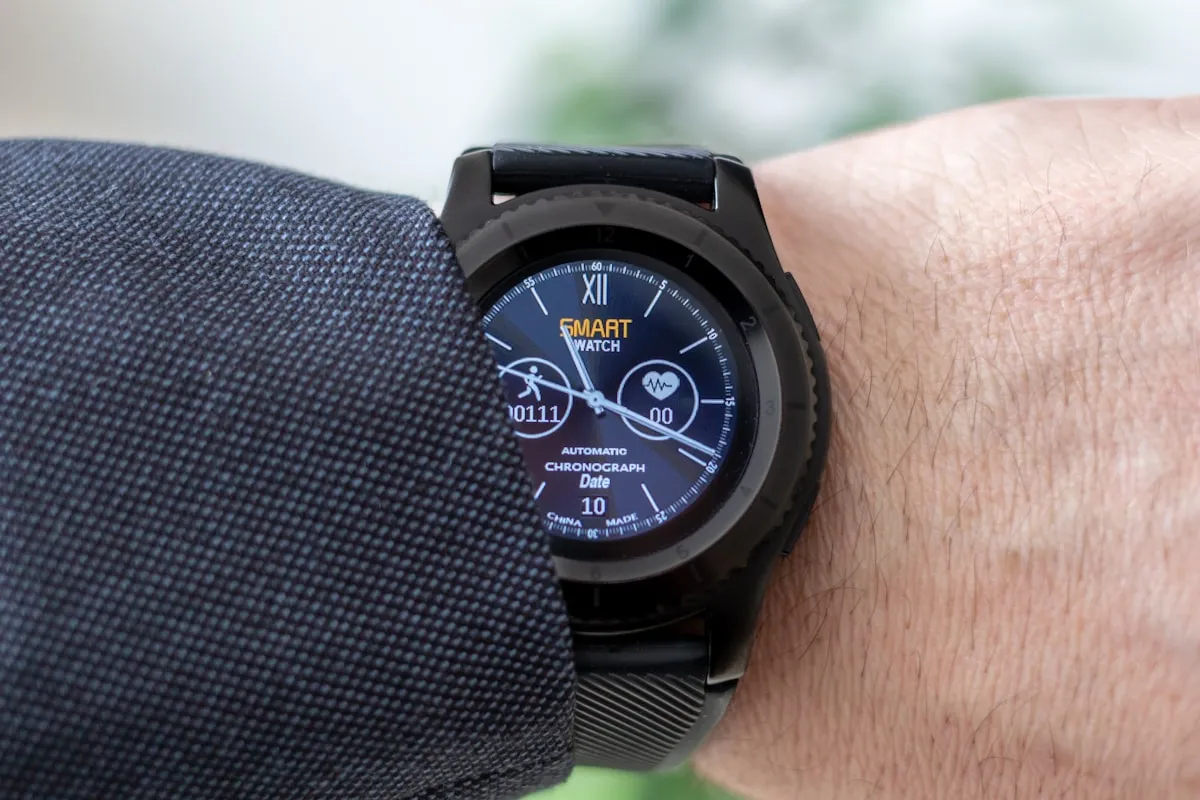
You glance at your watch in the morning. A small number sits in the corner: 62. Tomorrow it’ll say 67. The next day, 71. You probably scroll past it without thinking.
That number is your resting heart rate, and it is one of the most quietly predictive signals your body produces. Cardiologists have tracked it for generations. Population health researchers follow it across decades. Long-running studies link sustained changes in it to your odds of heart failure and all-cause mortality — not in some vague “wellness” sense, but in the actuarial sense of how long you’re likely to live.
And almost nobody knows how to read it.
This post pulls back the curtain on what resting heart rate (RHR) actually measures, what the research says about why it matters, what makes it move day to day, and — critically — what it does not tell you. By the end you’ll know how to take a reading that means something, what’s worth tracking over weeks and months, and when a number is worth a phone call to your doctor.
The short version
- Resting heart rate is beats per minute while awake, calm, and still — best measured first thing in the morning, before getting out of bed.
- Normal for adults is 60–100 bpm; well-trained athletes can be in the 40s.
- Lower is generally better. Sustained readings above 80 are linked to higher long-term mortality risk; trends matter far more than single readings.
- Many things move it day to day — sleep, caffeine, stress, illness, dehydration, hormones, medication.
- What it doesn’t tell you: blood pressure, arrhythmias, coronary disease, or any specific diagnosis. It’s a signal, not a verdict.
What resting heart rate actually is
Resting heart rate is the number of times your heart beats per minute when you’re awake, calm, and not moving. That’s the entire definition. The “resting” part is doing a lot of work — it means before you’ve gotten out of bed, before coffee, before stress, before the dog needs walking. Most of the numbers your smartwatch shows during the day are not resting heart rate. They’re just heart rate.
This matters because the same person can show wildly different numbers across the day. A typical adult might sit at 60 in the morning, climb to 85 at their desk after two emails and a coffee, hit 140 walking up stairs, settle to 75 in a meeting, and drift back toward 65 in bed. All of those are normal. None of them are your resting heart rate except, maybe, the morning one.
A clean RHR reading is the closest thing you have at home to a baseline metric — a number that tells you something about your cardiovascular system independent of what you happen to be doing right now.
What “normal” really means
The American Heart Association defines a normal adult resting heart rate (opens in new tab) as 60 to 100 beats per minute. The Mayo Clinic uses the same range (opens in new tab). Both note that well-trained endurance athletes can run as low as 40 — not because something is wrong, but because their heart muscle pumps more blood per beat and doesn’t need to fire as often.
Here’s the catch: that 60–100 range is enormous, and where you land inside it matters.
There isn’t an official clinical sub-stratification inside the AHA’s 60–100 range, but the long-term studies discussed in the next section sketch a rough picture of what different points in the range typically mean:
| Resting heart rate | What it usually suggests |
|---|---|
| 40–59 bpm | Trained athlete or certain medications; worth a conversation if you’re not a trained athlete (bradycardia) |
| 60–70 bpm | Common range for healthy, moderately active adults |
| 71–80 bpm | Within normal limits; a reasonable point to start watching the trend |
| 81–90 bpm | Associated with roughly double the long-term mortality risk in the 2013 Heart study cited below |
| Over 90 bpm | Persistently elevated; worth a medical conversation, especially with symptoms |
“Normal” on paper does not mean “ideal.” Two adults both inside the AHA range — one at 58, one at 88 — are not in the same place biologically, and the long-term risk math reflects that.
The number behind the number: what RHR actually predicts
This is where the metric earns its reputation.
A long-running study published in the journal Heart and summarized by Harvard Health (opens in new tab) followed about 3,000 men for 16 years. The result: men with a resting heart rate between 81 and 90 had double the risk of death during the study period compared to those with lower rates. Those with an RHR above 90 had triple the risk. The relationship held even after adjusting for fitness, smoking, and other cardiovascular risk factors.
More recently, an American Heart Association Scientific Sessions presentation (opens in new tab) drawing on the Atherosclerosis Risk in Communities (ARIC) study — a 25-year dataset of 5,794 participants — reported that people whose resting heart rate trended upward over decades were 65% more likely to develop heart failure and 69% more likely to die from any cause, compared to participants whose RHR slightly declined.
Two important nuances live inside those numbers:
- The trend matters more than any single reading. A 78 today doesn’t doom you. A 78 today that was a 65 five years ago is the kind of pattern long-term studies care about.
- RHR is not the cause of mortality — it’s a marker. A higher RHR generally reflects a heart that’s working harder at rest. The reasons it’s working harder (deconditioning, undiagnosed conditions, chronic stress, sleep debt, certain illnesses) are usually what carry the real risk. RHR is the smoke. The fire is somewhere else.
Dr. Jason Wasfy, director of quality and analytics at Massachusetts General Hospital Heart Center, frames it carefully in the Harvard Health piece above (opens in new tab): “In certain cases, a lower resting heart rate can mean a higher degree of physical fitness, which is associated with reduced rates of cardiac events like heart attacks. However, a high resting heart rate could be a sign of an increased risk of cardiac risk in some situations.” The word “can” is doing real work in both halves of that quote. RHR is a probability signal, not a diagnosis.
What changes your RHR day to day
Here’s the part most people get wrong: they take one reading, see something they don’t like, and panic. Resting heart rate moves.
The American Heart Association (opens in new tab) lists six clinical factors that nudge heart rate up or down: ambient temperature, body position, exercise, emotional state, body size, and medication use (including beta blockers and calcium channel blockers). Harvard Health adds (opens in new tab) caffeine, circulating hormones, antidepressants, certain blood pressure drugs, and recent strenuous exercise or stressful events. Pulled together, the practical list most people will recognize looks like this:
- Caffeine — even a single cup of coffee can lift RHR for hours
- Stress and anxiety — emotional state pulls the sympathetic nervous system online
- Sleep debt — one bad night can elevate RHR for 24+ hours
- Dehydration — your heart compensates for lower blood volume by beating faster
- Illness — a low-grade infection often shows up as elevated RHR before symptoms
- Alcohol — typically raises RHR the night you drink and the morning after
- Medications — beta blockers and calcium channel blockers lower it; some antidepressants and decongestants raise it
- Hormones — menstrual cycle phase, pregnancy, thyroid issues all shift baseline
- Recent exercise — for 1–2 hours after a workout, RHR is elevated and not a true resting reading
- Ambient temperature — hot rooms push RHR up; cold ones can lower it
The implication: a single reading is mostly noise. A rolling average over 7 or 30 days is signal.
This is also why one of the more useful real-world applications of RHR tracking is catching illness early. A Stanford Medicine study published in Nature Biomedical Engineering (opens in new tab) found that consumer-wearable signals — including elevated resting heart rate — could flag infection up to 10 days before COVID-19 symptoms appeared, with elevated RHR observed in 26 of 32 confirmed cases. The body is often fighting something before the conscious mind registers it.
How to measure it correctly
You don’t need a device. You need a watch, two fingers, and 60 seconds.
The AHA’s instructions (opens in new tab) are straightforward: lightly place your index and middle fingers on the artery at your inner wrist (or on the side of your neck), feel each beat, and count the beats for 60 seconds. Harvard suggests counting for 30 seconds and doubling, which works almost as well and is easier to stay focused on.
For a reading that means something, follow the Harvard protocol:
- Measure first thing in the morning, before you get out of bed.
- Don’t measure within 1–2 hours of exercise, a stressful event, or caffeine.
- Take readings several times a week at roughly the same time.
- Track the average, not any single number.
If you use a fitness tracker or smartwatch, your “resting heart rate” displayed in the app is usually a computed daily low or an average of low-activity periods overnight — not the morning manual reading described above. It’s still useful for tracking trends, but it can quietly drift if the device is loose, if the optical sensor is fooled by tattoos or motion, or if the algorithm changes between firmware updates.
We’ve written before about why a smartwatch alone isn’t enough for real health tracking — the short version is that the data ecosystem locks you in, the readings aren’t medical-grade, and you can’t easily share trends with your doctor. RHR is one of the metrics that benefits most from a manual log alongside whatever your wearable shows you, because the manual reading is comparable across years, regardless of which device you happened to be wearing.
What patterns are worth showing your doctor
Most isolated RHR readings are not worth a doctor’s time. Patterns, on the other hand, are.
Bring it up at your next visit if you notice:
- A sustained upward shift — your typical morning resting heart rate has climbed 10 or more bpm over several months without a clear reason (new medication, pregnancy, etc.).
- A persistent reading over 100 bpm at rest, which the Mayo Clinic flags as tachycardia worth investigating (opens in new tab).
- A persistent reading under 60 bpm if you’re not a trained athlete, especially if accompanied by dizziness, fatigue, or fainting (bradycardia).
- RHR paired with new symptoms — shortness of breath, chest discomfort, palpitations, lightheadedness, swelling in the legs.
- Wild variability — readings that swing 20+ bpm morning to morning, week to week, without an obvious lifestyle explanation.
Per AHA guidance, call 911 rather than waiting for an appointment if a sudden very high or very low heart rate is accompanied by chest pain, shortness of breath, or fainting.
A simple way to log it
The single highest-leverage habit here is writing the number down. Not glancing at it. Not assuming the app will remember. Writing it down somewhere you can sort, chart, and hand to a clinician.
A monthly average across 8–12 morning readings is a more meaningful number than any one day’s measurement. A year of monthly averages is the kind of personal data set a doctor can actually use during a visit. Most people never assemble it.
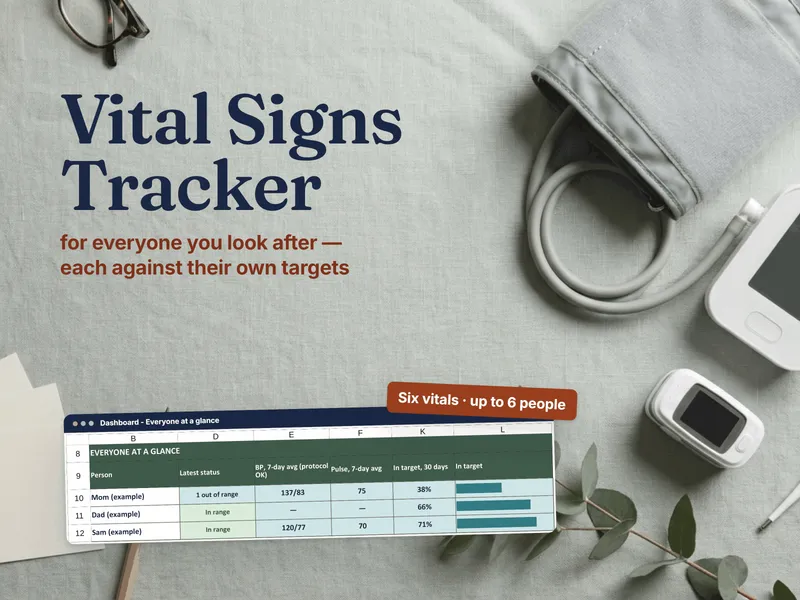
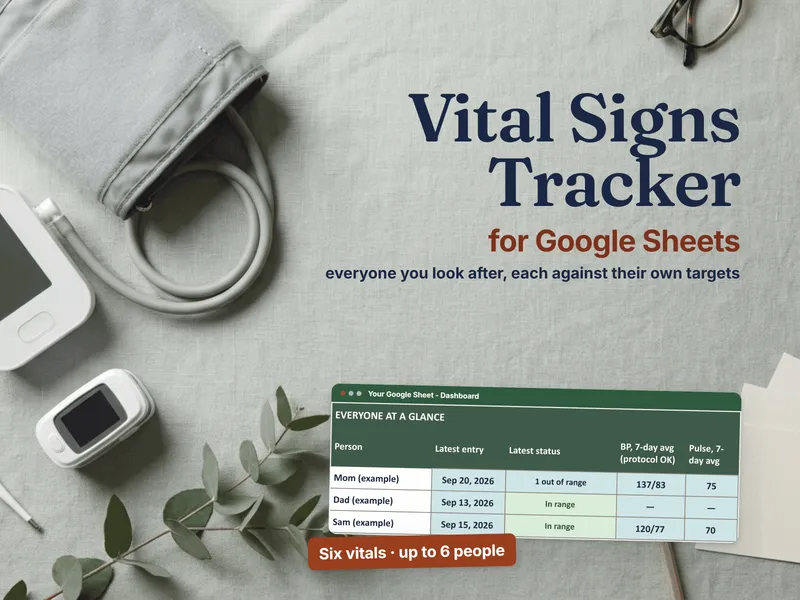
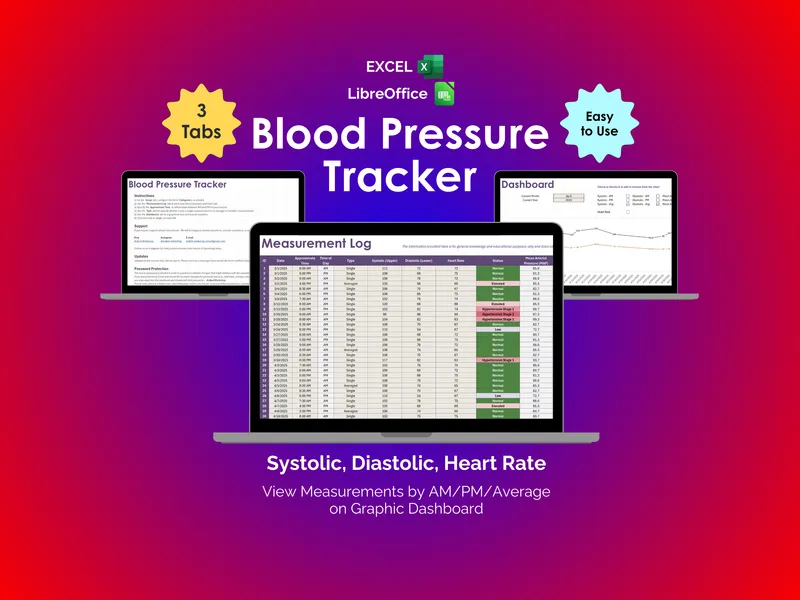
A spreadsheet does this job well because it does three things at once: it timestamps each reading, it computes the averages, and it shows how they change over time. The Vital Signs Tracker (Excel) and the Vital Signs Tracker (Google Sheets) were built for this kind of workflow. You log heart rate, blood pressure, SpO2, and temperature in one place and get each reading flagged against your own targets. The workbook then shows weekly averages and drift from your own baseline as numbers rather than charts, and prints a one-page visit summary (in Google Sheets, print it with Fit to page). If your focus is specifically on cardiovascular numbers, the dedicated Blood Pressure Tracker (Excel) pairs systolic, diastolic, and pulse together so you see how they move in concert.
A small note on the practical side: most clinicians don’t want to scroll through a watch app. They want a printable PDF or a single sheet of paper. Spreadsheets export. Watch apps mostly don’t.
What resting heart rate doesn’t tell you
This section is where most pop-health articles fall down, so it’s the most important one in this post.
A normal RHR does not rule out:
- High blood pressure. Hypertension can sit quietly behind a perfectly average pulse. RHR and blood pressure are different signals; one is not a substitute for the other.
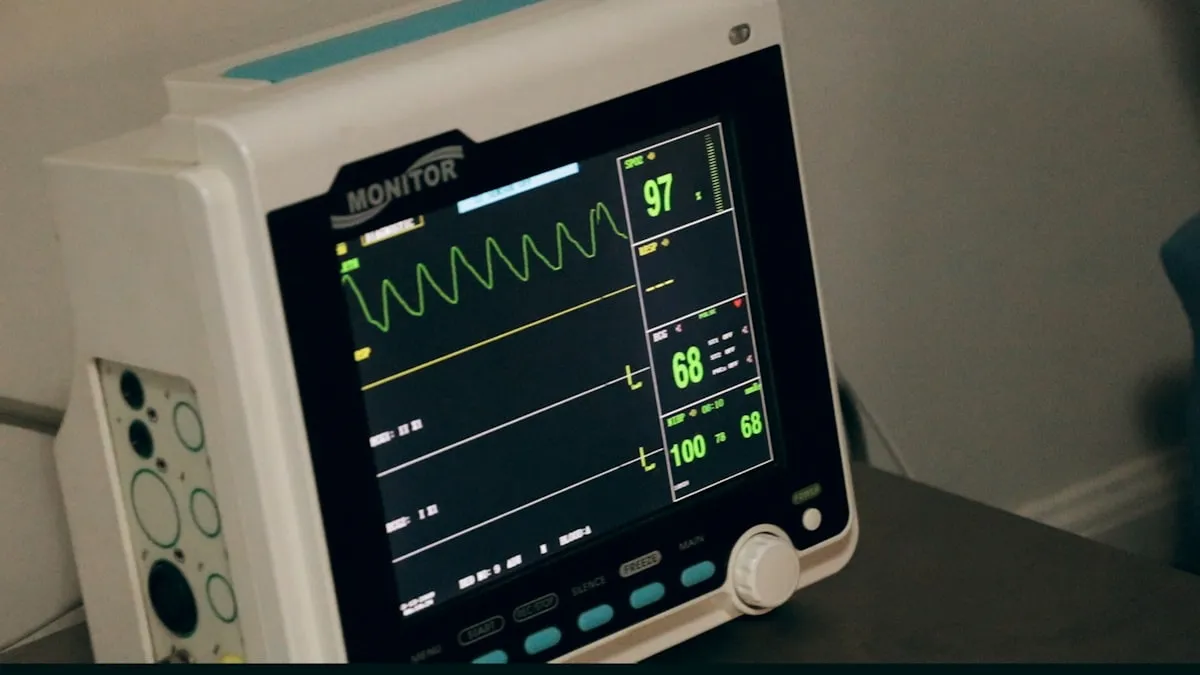
- Atrial fibrillation or other arrhythmias. A computed average can wash out the very irregularity that defines them. A manual 60-second count gives you a better shot at noticing skipped or extra beats, but a 12-lead ECG is the actual test.
- Coronary artery disease. Plaque buildup is not directly reflected in RHR.
- Diabetes, thyroid disease, sleep apnea, anemia, electrolyte imbalances — all conditions that can affect RHR, but none of which RHR alone can confirm or rule out.
And an elevated RHR does not automatically mean disease. It often means you slept badly, drank a third coffee, are fighting a virus, started a new medication, or are recovering from yesterday’s long run.
There’s also a related and richer metric called heart rate variability (HRV) — the Cleveland Clinic describes it (opens in new tab) as the moment-to-moment variation in the time between beats. HRV captures something RHR can’t: how flexibly your nervous system is responding to stress and recovery. Higher variability generally signals a more adaptable system; lower variability often signals stress, fatigue, or illness. It’s a useful complement to RHR, but it requires more specialized measurement and is even more sensitive to noise, so it’s better used as a trend than a verdict.
The honest summary: RHR is one window into one part of your cardiovascular system. It’s a remarkably useful window. It is not the whole house.
TL;DR
- Resting heart rate is your beats per minute while awake, calm, and still. For most adults, 60–100 is normal; lower-in-the-range is generally healthier.
- Where you sit in the range matters. Sustained readings of 81–90 doubled mortality risk and over 90 tripled it in a 16-year study published in Heart (2013).
- Trends beat single readings. A 5–10 bpm sustained climb over months is meaningful; a one-day spike usually isn’t.
- Caffeine, sleep, stress, illness, dehydration, hormones, and medication all move RHR. Take readings the same way, around the same time, ideally first thing in the morning.
- Write it down. A rolling average across weeks and months is what your doctor can actually use.
- RHR doesn’t replace blood pressure checks, ECGs, or routine bloodwork. It’s a signal worth watching, not a diagnosis.
And if you’re already tracking other parts of your health — bills, symptoms, prescriptions, appointments — folding RHR into the same system means you have one place to look when something feels off. That’s the entire point: a number you record is a number you can act on.
Sources
- American Heart Association — All About Heart Rate (Pulse) (opens in new tab)
- American Heart Association — Abnormal resting heart rate over the long term may predict future heart failure or death (2024) (opens in new tab)
- Harvard Health — Your resting heart rate can reflect your current and future health (opens in new tab)
- Jensen MT et al. — Elevated resting heart rate, physical fitness and all-cause mortality: a 16-year follow-up in the Copenhagen Male Study (Heart, 2013, full text via PubMed Central) (opens in new tab)
- Mayo Clinic — Heart rate: What’s normal? (opens in new tab)
- Stanford Medicine — Smartwatch can detect early signs of illness (Nature Biomedical Engineering, 2020) (opens in new tab)
- Cleveland Clinic — Heart Rate Variability (HRV) (opens in new tab)