Beach Bound: 10 Tips for the Ultimate Family Getaway
Planning a beach getaway with kids, grandparents, and that one uncle who can’t swim? Don’t worry—we’ve got you covered. Follow these ten playful tips to turn your next family beach trip into a sun-soaked success!
1. Pick the Perfect Spot
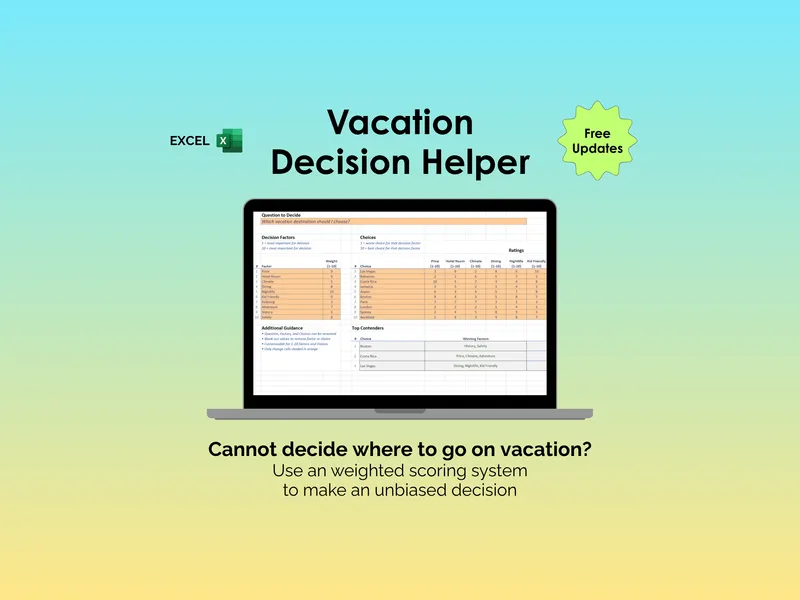
Not all beaches are created equal. Do you want gentle waves for little ones, tide pools for curious explorers, or big surf for the brave? Check reviews, photos, and proximity to restrooms before you book. If you’re torn between three or four candidate destinations, the Vacation Decision Helper (Excel) lets you score each one on the factors that actually matter to your family — drive time, kid-friendliness, budget — instead of arguing in a group chat for two weeks.
Four things to check that the listing photos will never tell you:
- Is it lifeguarded, and during which weeks? Many beaches only staff towers in peak season. Off-peak, that gorgeous stretch is unguarded.
- How far is the walk from parking to sand? A quarter mile with a cooler, two chairs, and a toddler is a different vacation than a 50-yard walk.
- Are there bathrooms and rinse-off showers? With kids, this single factor determines how long a beach day can last.
- What’s the shore break like? A steep beach with a hard-breaking wave right at the sand is miserable for small kids, regardless of how it photographs.
2. Book Early—and Smart
Summer weeks fill up fast. Reserve accommodations and any gear rentals (chairs, umbrellas, jet skis) at least two months ahead. Bonus: early bookings often come with sweet discounts!
One caution while you’re booking: the nightly rate you’re comparing is not the price. Cleaning fees, platform service fees, lodging taxes, and damage waivers stack on top, and they don’t appear until checkout. We broke the whole stack down in the real cost of a family beach vacation — the short version is to multiply the headline rate by about 1.35 before you decide you can afford it.
3. Create a Flexible Itinerary
Build in downtime between beach days. Plan a local ice-cream run, a sunset picnic, or a board game night. A loose schedule means more happy families and fewer meltdowns.
The rhythm that works for most families with young kids isn’t “beach all day.” It’s this:
| Time | What’s happening | Why |
|---|---|---|
| 8–11 a.m. | Beach | Cooler sand, gentler sun, parking exists |
| 11 a.m.–3 p.m. | Lunch, naps, pool, air conditioning | The sun is at its harshest and everyone is done |
| 3–7 p.m. | Back to the beach | Crowds thinning, light is beautiful |
| Evening | Dinner, ice cream, early bed | Tomorrow starts at 8 |
Two shorter beach sessions beat one long one almost every time. The 11-to-3 retreat isn’t giving up — it’s what makes the second session possible.
4. Pack Sun Safety First
Think sunscreen (SPF 30+), rash guards, wide-brimmed hats, and UV-blocking sunglasses. Apply liberally every two hours—even on cloudy days—and keep little ones shaded in a pop-up tent or beach umbrella.
The details that decide whether this actually works:
- Apply 15–30 minutes before you leave, not on the sand. Sunscreen needs time to bind, and nobody applies carefully in the wind with a toddler running off.
- Use more than feels reasonable. Most people apply far less than the amount sunscreen is tested at, which means “SPF 50” applied thinly is not delivering SPF 50.
- Reapply every two hours, and immediately after swimming or toweling off — “water resistant” is a time-limited claim printed on the bottle, not a permanent property.
- Get the missed spots: tops of feet, ears, back of the neck, the part in the hair, and under the edges of swimsuit straps.
- Remember that shade isn’t total protection. Sand and water both reflect UV, so kids under an umbrella still need sunscreen.
- A rash guard beats reapplication. The shirt doesn’t wear off, doesn’t sting eyes, and doesn’t require negotiating with a five-year-old every two hours. For kids, it’s the single highest-leverage item you can pack.
5. Know What to Do in a Rip Current
This is the one tip on this list that’s genuinely about safety rather than comfort, so it’s worth 60 seconds of your attention.
A rip current is a narrow channel of water flowing away from shore. It doesn’t pull you under — it pulls you out. Drownings happen because people fight it, exhaust themselves, and then can’t stay afloat.
Per NOAA’s rip current safety guidance (opens in new tab), the response is:
- Don’t fight the current. You cannot out-swim it directly back to shore, and trying is what causes the danger.
- Swim parallel to the shore to get out of the channel — they’re usually narrow — then angle back in.
- If you can’t escape, float or tread water and wave and yell for help. The current weakens; you don’t have to beat it, just outlast it.
- If someone else is caught, don’t swim out after them. Get a lifeguard, and throw them something that floats. Would-be rescuers are a tragically common category of victim.
Teach it to your kids on the drive down. Swim near a lifeguard when one exists.
6. Assemble a Fun Beach Bag
Waterproof phone pouch? Check. Frisbee and sandcastle kit? Check. Reusable water bottles and snacks? Double check. Tuck everything into a roomy, sand-resistant tote for easy grab-and-go fun.
The bag most families forget to pack is the problem-solving bag:
| Item | The problem it solves |
|---|---|
| Baby powder or cornstarch | Removes stuck-on sand instantly — the best beach trick there is |
| Mesh bag for wet gear | Sand falls out instead of coming home with you |
| Old fitted sheet | Anchor the corners with bags; makes a sand-free island for a baby |
| Laundry basket | Toys go in, get hosed off, come out clean |
| Zip bags for phones and keys | Sand and salt water end electronics |
| Aloe, tweezers, antiseptic | Sunburn, splinters, shell cuts |
| Extra towel, hidden | There is never enough towel |
| Cash, small bills | Parking meters and beach-chair guys |
7. Plan for Beachside Meals
Picnic lunches save time and money. Pre-make wraps, chop fruit, and pack in insulated coolers. Don’t forget hand wipes and trash bags—because soggy sandwiches and sandy fingers are a recipe for disaster.
Foods that survive a beach cooler: wraps and burritos (they don’t fall apart), grapes and berries in a sealed container, hard cheese, pretzels, jerky. Foods that don’t: anything mayonnaise-based left in the sun, bananas, chips in an open bag, chocolate anything.
Freeze water bottles the night before. They chill the cooler on the way out and become drinking water by noon — one item doing two jobs, which is the whole art of packing.
8. Schedule Rest and Recharge
Between splashing and shell-hunting, build in naps or quiet time back at the hotel. A well-rested crew means more energy for sunset strolls and marshmallow toasting.
Worth naming: sun, salt, and surf are genuinely tiring in a way that sneaks up on adults too. A kid who melts down at 4 p.m. on day two isn’t being difficult — they’ve been awake in the sun for eight hours and are dehydrated. Water and shade fix more “attitude problems” at the beach than discipline does.
9. Scout Nearby Activities
Local boat tours, tide-pool walks, or beachfront mini-golf can break up the routine. Check online or stop by the visitor center for kid-friendly recommendations.
Have one rain plan identified before you go — an aquarium, a children’s museum, a bowling alley. Not because you’ll definitely need it, but because researching indoor options from a rental house with three bored kids at 10 a.m. is how a bad day becomes a bad trip.
Also check the tide chart. Tide pools, sandbars, and shelling are all low-tide activities, and a family that shows up at high tide concludes the beach “didn’t have any shells.”
And when the plan breaks anyway, let it. Rain shower? Build an epic puddle-splash contest. Jellyfish sighting? Hunt for souvenirs instead. A flexible attitude keeps spirits high, even when Mother Nature throws you a curveball — and the day that goes sideways is usually the one the kids retell all winter.
10. Document Memories
Pack a disposable camera, designate a “vacation photographer,” or start a family beach journal. Capture candid moments—funny sunburn patterns, secret sandcastle entrances, and that epic boogie-board race you all lost.
One rule worth adopting: get in the picture. The parent doing the packing, the sunscreen, and the cooler is usually the one absent from every photo of the trip they made happen. Hand the phone over.
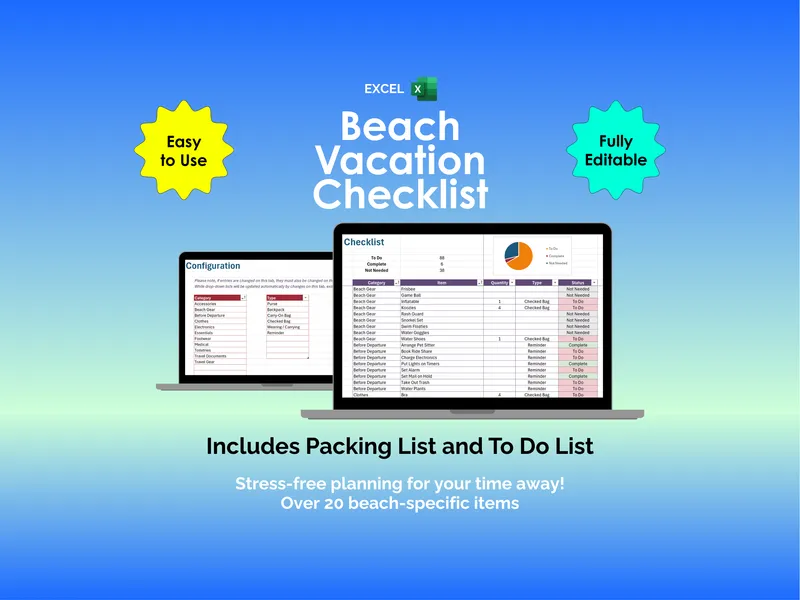
Make Planning a Breeze with Ardent Workshop’s Beach Vacation Checklist
Ready to organize all these details with zero stress? Check out Ardent Workshop’s Beach Vacation Checklist—an Excel tool that combines a complete packing list with a pre-departure to-do list. Every item is checklist-ready, so you can focus on building sandcastles instead of paperwork. Happy travels!