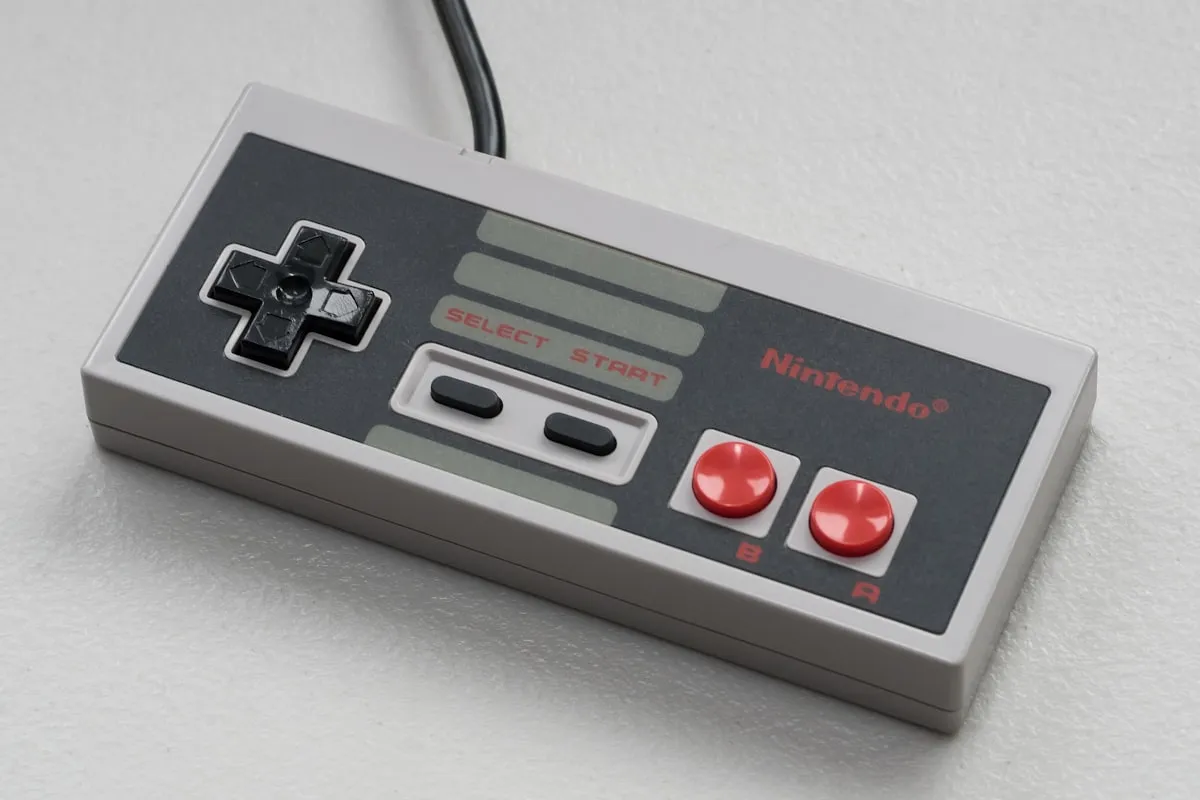
The biggest game on your radar this year might be one you already finished a decade ago.
Look at any 2026 release calendar and the pattern is impossible to miss: classics are coming back, rebuilt from the ground up. God of War’s original Greek saga. Max Payne. Fatal Frame. Tomb Raider’s first adventure, returning for its 30th anniversary. The industry isn’t just dipping into nostalgia anymore — it’s building a substantial chunk of its release slate around games that already exist. 2026 is shaping up to be the year of the video game remake, and the reasons go far deeper than misty-eyed sentiment.
This isn’t a fluke of scheduling. It’s a deliberate strategy, backed by hard numbers, and it’s quietly reshaping which games get made — and which ones don’t.
The trend, by the numbers
Remakes and remasters have gone from occasional curiosities to a reliable revenue engine. According to Ampere Analysis research reported by Video Games Chronicle (opens in new tab), remakes and remasters released between January 2024 and September 2025 pulled in 72.4 million players across Xbox, PlayStation, and Steam, who spent more than $1.4 billion on full games and in-game purchases.
That’s not a niche. That’s a category large enough to anchor a publisher’s fiscal year.
The standout proof point is The Elder Scrolls IV: Oblivion Remastered, which the same research clocked at $180 million in consumer spending and 7 million monthly active users — for a game that originally launched in 2006. A two-decade-old role-playing game outperformed most brand-new releases simply by looking and feeling modern.
When a back-catalog title can do those numbers, the boardroom math gets very simple, very fast.
Why publishers are mining their own back catalogs
The short version: new games have gotten dangerously expensive to make, and remakes lower the risk. A modern blockbuster can take many years and an enormous budget to build from scratch — with no guarantee anyone shows up. A remake starts with something priceless — a finished design and a built-in audience.
Here’s what makes the equation work in 2026:
- The risky part is already solved. The story, the level design, the characters, the core gameplay loop — all of it was validated years ago by players. Remake studios aren’t gambling on whether the game is fun. They know it is. They’re gambling only on execution.
- The audience is pre-sold. A remake of a beloved title arrives with decades of word-of-mouth, an existing fanbase, and instant name recognition. Marketing a brand-new IP means convincing people the thing should exist at all. Marketing a remake means telling people their favorite game is back.
- It reaches two audiences at once. Remakes sell nostalgia to the people who played the original and accessibility to newcomers who never could — the game’s locked behind dead hardware, clunky controls, or graphics that have aged badly. One project, two markets.
- Modern tools make it faster. Engines like Unreal Engine 5 let studios rebuild classic environments far more efficiently than a decade ago, shortening the gap between “let’s remake this” and “here it is.”
As Katie Holt, Senior Analyst at Ampere Analysis, put it (opens in new tab): publishers weighing a remake “have to balance franchise planning, investment risk, age of content, platform support, and more when choosing which route to take.” Translation: this is a calculated portfolio decision, not a lazy cash grab.
Remake vs. remaster: know the difference
These two words get used interchangeably, but they describe very different products — and the gap matters for your wallet.
A remaster is a polish job. The original game’s code and assets are largely intact; the studio bumps up the resolution, smooths the frame rate, sharpens textures, and ships it on modern hardware. Think of it as a restoration.
A remake is a rebuild. The studio reconstructs the game from the ground up — new engine, new visuals, often reworked combat, controls, and content — while keeping the soul of the original. Think of it as a reconstruction.
| Remaster | Remake | |
|---|---|---|
| What changes | Resolution, frame rate, textures | Engine, visuals, often gameplay |
| Original code | Mostly reused | Rebuilt from scratch |
| Cost & time | Lower, faster | Higher, slower |
| Typical price | Budget to mid-tier | Full price |
| Player engagement | Lower | Higher |
The money follows the effort. The Ampere data found that across 42 titles studied (15 remakes and 27 remasters), the average remake generated 2.2 times the consumer spending of the average remaster. Remakes cost more to build, but they earn more, hold players longer, and justify a full-price tag. That’s exactly why 2026’s headline projects lean toward full remakes rather than quick remasters — the upside is bigger.
The 2026 slate: the remakes worth watching
Here’s a curated look at the biggest rebuilds anchoring the year and beyond. A few are confirmed for 2026; others were announced in 2026 with later launch windows — together they show just how committed the industry has become to the strategy.
God of War: the Greek trilogy remake
The headline reveal. At PlayStation’s State of Play on February 12, 2026, Sony confirmed that Santa Monica Studio is remaking the original God of War Greek saga (opens in new tab) — the PS2-era trilogy that launched Kratos in 2005 — with original voice actor Terrence C. Carson returning. It’s early in development, so don’t expect it soon, but the statement of intent is enormous: Sony is treating its own back catalog as tentpole material.
The take: When the platform holder remakes its flagship franchise’s origin story, that’s the clearest signal yet that remakes are a first-class strategy, not a stopgap.
Max Payne 1 & 2
Remedy Entertainment is rebuilding the noir shooters that put it on the map, in partnership with Rockstar Games (opens in new tab), bundling both originals into a single modern remake. The project has been in full production and is targeting a late-2026-to-2027 window.
The take: A cult-classic, story-driven shooter getting a prestige rebuild shows the trend isn’t just for billion-dollar franchises — it’s reviving influential games that shaped a genre.
Horror’s big revivals
Survival horror has become remake central, and 2026 keeps the streak alive with rebuilds like Fatal Frame 2: Crimson Butterfly, overhauling one of the genre’s most atmospheric entries for modern platforms.
The take: Horror ages badly on old hardware — dated controls and muddy visuals undercut the scares. A faithful remake fixes the friction while preserving the dread. It’s the genre most improved by the format.
Anniversary reimaginings
Tomb Raider is marking its 30th anniversary by reimagining Lara Croft’s 1996 debut, the latest in a steady drumbeat of milestone remakes timed to franchise birthdays.
The take: Anniversaries give publishers a built-in marketing hook and a reason to reintroduce a character to a generation that never played the original. Expect this playbook to repeat every time a beloved series hits a round number.
What this means for gamers
The remake boom is a genuine trade-off, and it’s worth being honest about both sides.
The upside is real. Games that were trapped on obsolete consoles, riddled with bad controls, or simply impossible to buy are coming back in playable, beautiful form. Preservation has always been gaming’s quiet crisis — countless classics are functionally lost to anyone without vintage hardware. Remakes are, in part, a preservation engine. And for newcomers, they’re a doorway into series whose back catalogs were previously a wall.
The concern is also real. Every dollar and developer-hour spent rebuilding a known hit is a dollar not spent on something new. If the safest bet is always a remake, the industry risks getting stuck in a nostalgia loop, recycling its greatest hits instead of writing new ones. The very economics that make remakes attractive — low risk, pre-sold audience — are the economics that make original, weird, ambitious new IP harder to greenlight.
The likely reality is a balance: remakes as the dependable revenue floor that funds the riskier swings. The healthiest version of this trend is one where Oblivion Remastered money helps pay for the next strange new thing.
How to keep track of it all
Here’s the practical problem with a remake-heavy year: your backlog is about to get crowded with games you have complicated feelings about. Do you replay the original first? Is this the remaster or the full remake? Did you already buy it on a console you no longer own?
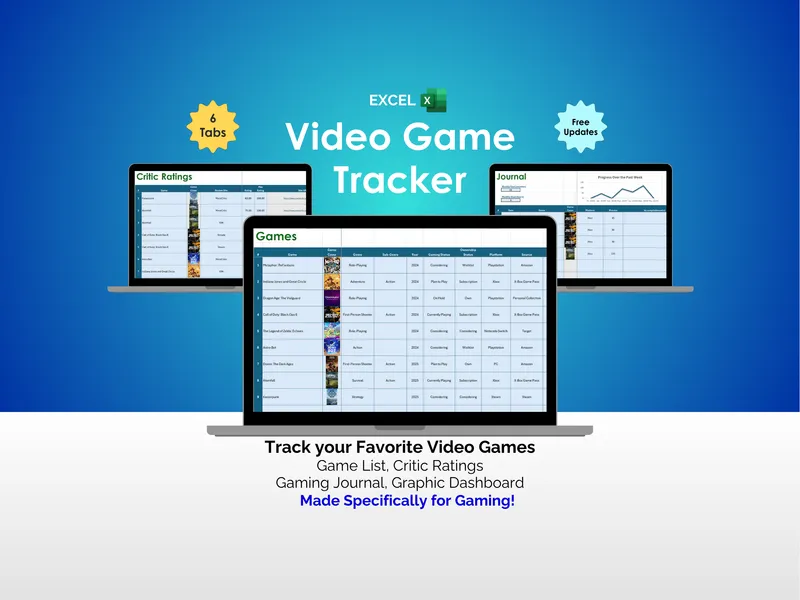
This is exactly the kind of mess a simple tracking system solves. A Video Game Tracker lets you log what’s coming, flag remakes versus remasters, note which ones you’ve played in their original form, and prioritize a backlog that’s only getting deeper. Instead of impulse-buying the same game twice, you make deliberate choices about what’s actually worth your time.
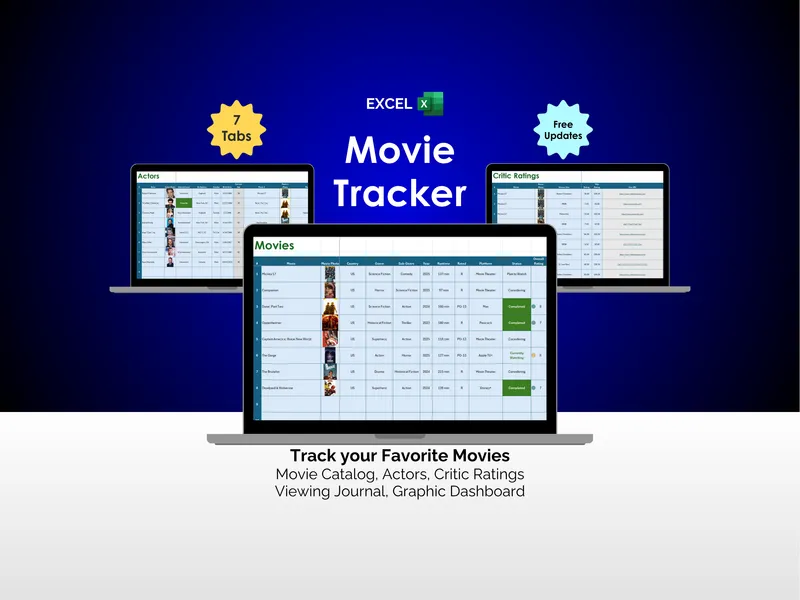
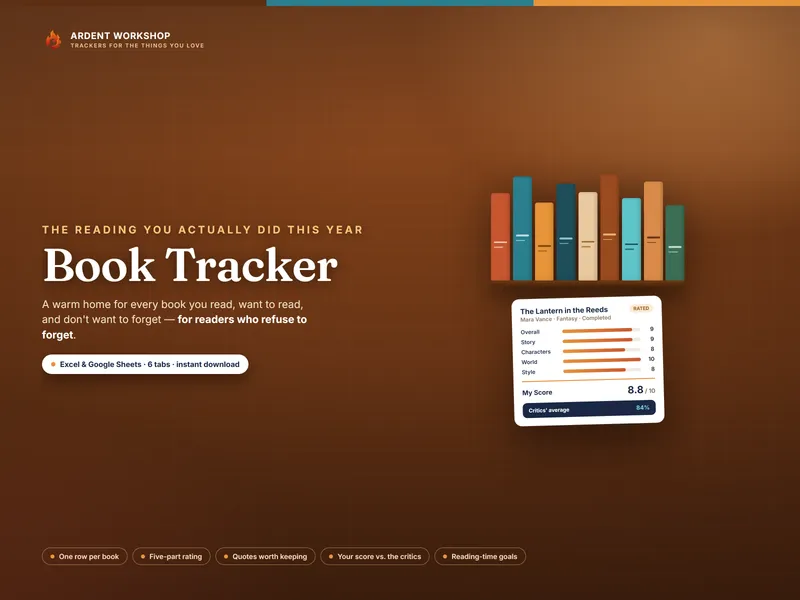
If your nostalgia spills beyond games — and in a remake-and-reboot era, it usually does — the same approach works across a Movie Tracker and Book Tracker, so your entire watch-read-play list lives in one place instead of scattered across a dozen apps and screenshots.
The bottom line
2026 is the year of the video game remake because the math finally made it unavoidable: rebuilding a proven classic is cheaper, safer, and — thanks to titles like Oblivion Remastered — wildly more profitable than betting on something brand new. With 72.4 million players and $1.4 billion flowing into remakes and remasters in under two years, and franchises as big as God of War getting the full rebuild treatment, this isn’t a passing phase. It’s the new shape of the release calendar.
The smart move as a player isn’t to resist it — it’s to navigate it. Know the difference between a remaster and a remake before you buy, decide which revivals are worth your hours, and keep a clear list so the nostalgia gold rush works for you instead of draining your wallet on games you’ve already beaten.
Sources
- Consumers spend twice as much on video game remakes than remasters, according to research — Video Games Chronicle (Ampere Analysis data) (opens in new tab)
- God of War Greek trilogy remake in development — PlayStation.Blog (opens in new tab)
- Max Payne 1 & 2 Remake — Remedy Entertainment (opens in new tab)