Every project starts with a number. Someone estimates the work, adds up the labor, software licenses, vendor fees, and materials, and a budget gets approved. That number is real — but it’s only the part of the cost you can see.
The true cost of running a project is its budgeted resources plus the overhead of coordinating the work: meetings, status updates, context-switching, waiting on dependencies, and rework. On a lot of teams, that hidden overhead is nearly as large as the visible budget itself. It’s the second invoice nobody signs off on, paid in hours instead of dollars — which is exactly why it goes unnoticed until the timeline slips.
Here’s what most plans don’t account for, layer by layer, and how to estimate it before it estimates you.
What’s actually in a project budget?
A project budget captures the visible, billable inputs — the things you can put a purchase order against. Typically that’s:
- Labor — the hours your team is expected to spend doing the actual work.
- Tools and software — licenses, platforms, hosting, subscriptions.
- Vendors and contractors — outside help, agencies, freelancers.
- Materials and hard costs — anything physical or one-time the project consumes.
This is a fair accounting of what a project consumes. The problem is that it’s a poor accounting of what a project takes to run. The budget assumes that an hour of someone’s time is an hour of productive work. In practice, it almost never is — and the gap between “hours budgeted” and “hours it actually took” is where projects quietly bleed.
Here’s what most people don’t realize: that gap is so reliable it has a price tag. The Project Management Institute has tracked the toll for years — its Pulse of the Profession research estimated that organizations waste roughly $1 million every 20 seconds (opens in new tab) on poor project performance, a steady global drain that vanishes into the gap between plan and reality. That’s not lazy people or bad luck — a big chunk of it is the overhead below.
The hidden cost of running a project: 5 layers nobody budgets for
Underneath the budget line are five recurring costs that show up on almost every project. None of them are line items, and all of them are real.
Layer 1: Coordination and communication
The single biggest hidden cost of running a project is keeping everyone aligned. Meetings, status updates, stand-ups, recaps, “quick syncs,” and the endless thread of messages asking where are we on this? are not the work — they’re the tax you pay to organize the work.
The numbers are sobering. Executives now spend an average of nearly 23 hours a week in meetings (opens in new tab), up from less than 10 hours in the 1960s, according to Harvard Business Review. And Asana’s Anatomy of Work research (opens in new tab) found that workers spend roughly 62% of their day on “work about work” — communicating about tasks, hunting for documents, and chasing status — rather than the skilled work they were hired to do, with leaders losing about 3.6 hours a week to unnecessary meetings alone.
For a project, that means every person you add doesn’t just add their hours — they add a coordination cost that grows with the team. A five-person project has 10 communication links between people. A ten-person project has 45. Coordination overhead scales faster than headcount, which is why “just add another person” so rarely speeds things up.
Layer 2: Context-switching and interruptions
Every interruption costs far more than the interruption itself. When someone gets pulled off project work to answer a question, attend a meeting, or firefight on something else, the cost isn’t the five minutes they were away — it’s the time it takes to climb back into the work.
In a widely cited Gallup interview, UC Irvine researcher Gloria Mark noted that interrupted work was resumed, on average, in about 23 minutes (opens in new tab), because people rarely return straight to the original task — there are usually a couple of intervening tasks first. On a project where team members juggle three or four other responsibilities, those re-entry costs stack up into hours a day that no estimate ever captured.
This is why a “20% allocation” of someone to your project almost never delivers 20% of their output. Fragmented time is worth less than whole time.
Layer 3: Waiting and blocked time
Projects spend a surprising amount of their lifespan waiting. Waiting on an approval. Waiting on a dependency from another team. Waiting on feedback, a sign-off, a vendor, or a decision that only one person can make and that person is on vacation.
Blocked time is invisible because nobody is “working” on it — but the clock is still running, the deadline is still fixed, and the team often can’t simply do something else productive in the gap. A task estimated at two days of effort can easily occupy two weeks of calendar time once you count the waiting. The effort estimate was right; it just wasn’t the cost.
Layer 4: Rework and scope changes
Rework is the cost of doing the same thing twice — and it’s almost always bigger than teams admit. A requirement was misunderstood. A stakeholder changed their mind. An early decision turned out to be wrong, and now three weeks of work has to be unwound. Each loop costs the original effort plus the cost of the redo plus the coordination to figure out what changed.
Scope creep is rework’s close cousin: the project that was approved is not the project being built, because “small” additions kept getting waved through. Every unmanaged change adds hidden hours that were never in the budget — and were never re-estimated, either.
Layer 5: The management overhead itself
Running the project is its own job that the budget rarely prices in. Someone has to build the plan, chase the updates, manage the risks, keep stakeholders informed, and make the decisions. That’s real, skilled work — and on small teams it’s usually squeezed into the margins of someone who’s also supposed to be doing the project.
When project management is treated as free, it gets done badly or not at all, which feeds right back into Layers 1 through 4: worse coordination, more interruptions, more waiting, more rework. The overhead you refuse to budget for doesn’t disappear. It just gets more expensive.
What a project actually costs: a worked example
Let’s put illustrative numbers on it. Imagine a project your team estimates at 100 hours of hands-on work — the number that goes in the budget. Here’s how the real cost tends to fill in once you account for the layers above. (These percentages are a planning illustration, not a measured benchmark — your real multipliers depend on your team and how the project is run.)
| Cost layer | What it covers | Added hours |
|---|---|---|
| Planned hands-on work | The estimate in the budget | 100 |
| Coordination & communication | Meetings, status, alignment | +30 |
| Context-switching | Re-entry cost from interruptions | +25 |
| Waiting & blocked time | Approvals, dependencies, feedback | +20 |
| Rework & scope changes | Redos and unmanaged additions | +15 |
| Actual cost to run | ≈190 |
In this example, the project that was “100 hours” actually costs about 190 hours to run — roughly 1.9× the estimate. The budget wasn’t wrong about the work. It was wrong about everything around the work.
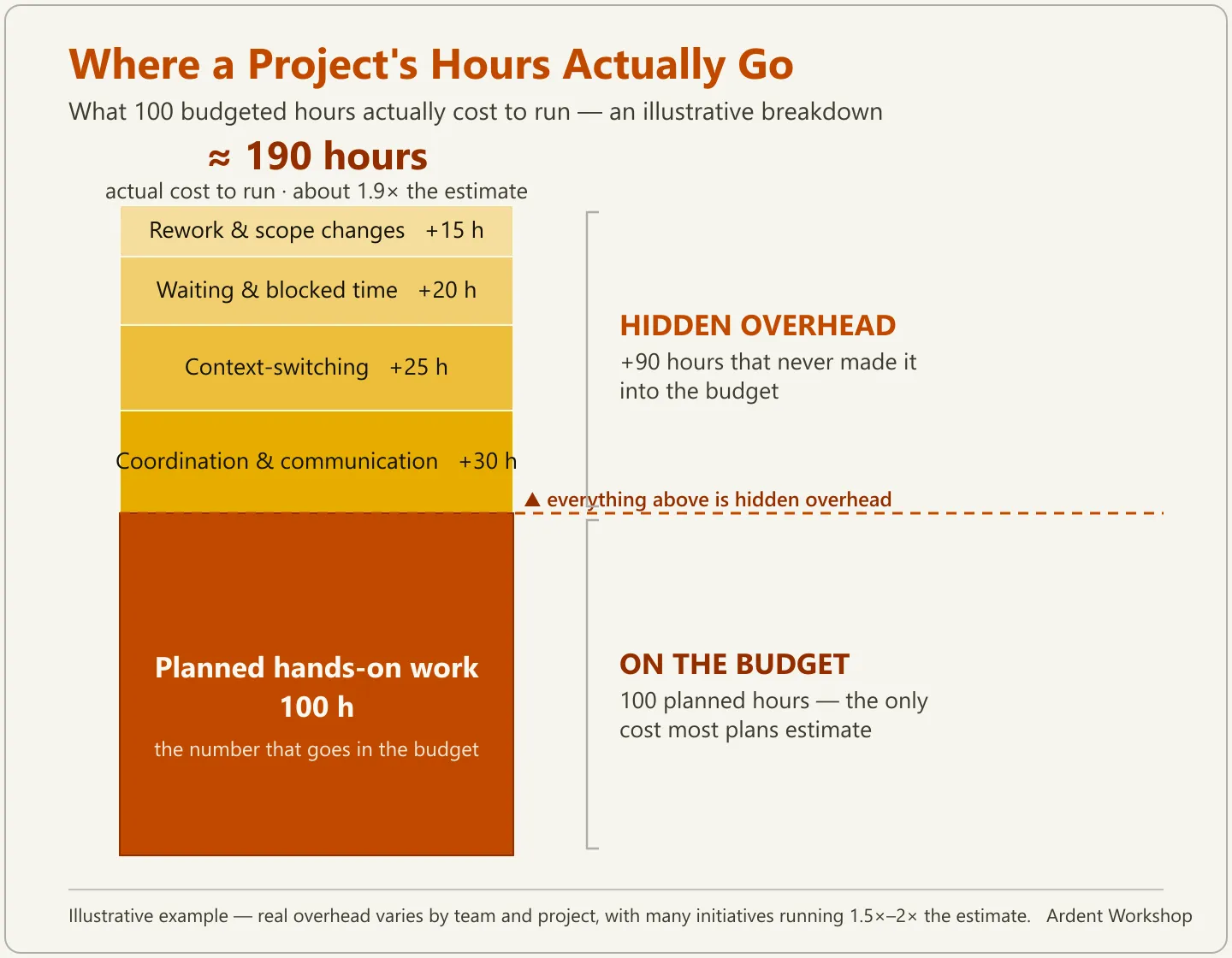
The exact multiplier varies — a tightly scoped solo task might run close to 1.2×, while a cross-team initiative with lots of stakeholders can blow past 2×. But the shape is consistent: the budget is the floor, not the ceiling.
What this means for how you plan
You can’t eliminate the hidden cost of running a project, but you can stop being ambushed by it. The teams that hit their timelines aren’t the ones with no overhead — they’re the ones who see it, plan for it, and manage it down.
-
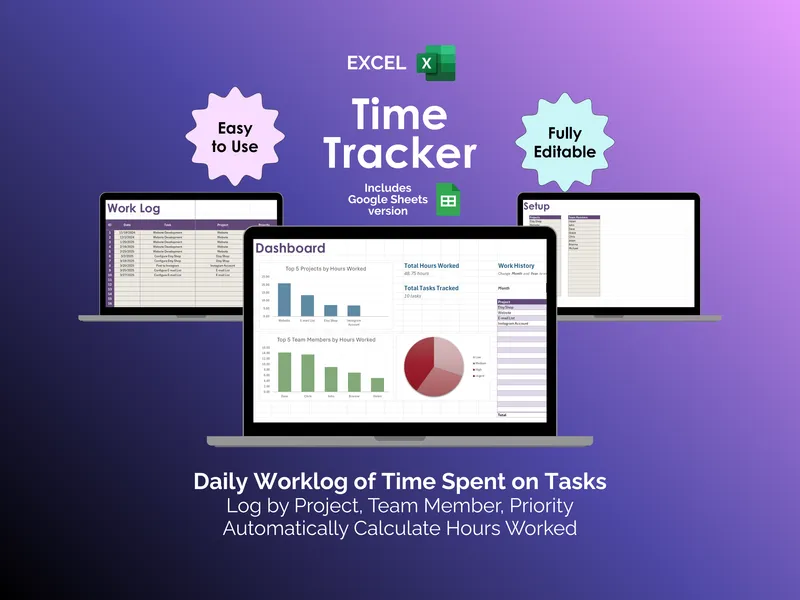
Estimate with a multiplier, not just the work. When you budget the hands-on hours, add a realistic overhead factor on top. Even a rough 1.5×–2× buffer beats pretending coordination is free. Tracking where time actually goes on a project or two with a time tracker gives you a real multiplier to use next time instead of a guess.
-
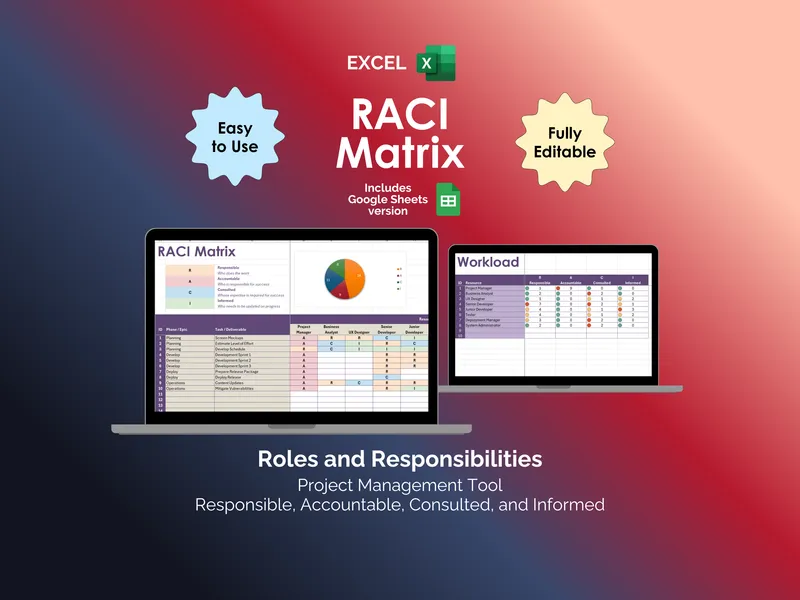
Make ownership unambiguous. A huge share of coordination cost is people figuring out who’s supposed to do what. Mapping roles up front — ideally with a clear responsibility framework like a RACI matrix — kills the “I thought you had it” rework before it starts. (If you’ve never built one, here’s how to make a RACI matrix your team won’t ignore.)
-
Protect focus time. Context-switching is the most expensive layer per hour and the easiest to reduce. Batch meetings, set “no-meeting” blocks, and stop fragmenting your best people across five projects at 20% each. Whole hours are worth more than scattered ones.
-
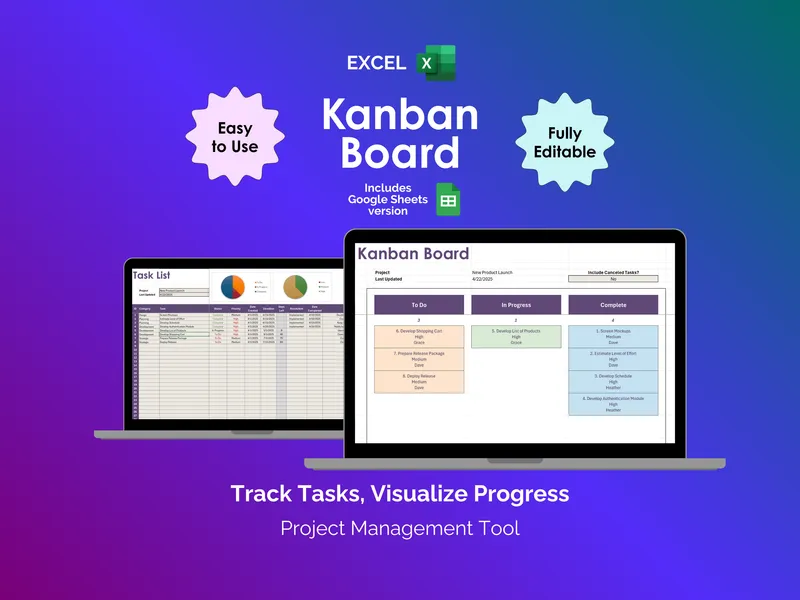
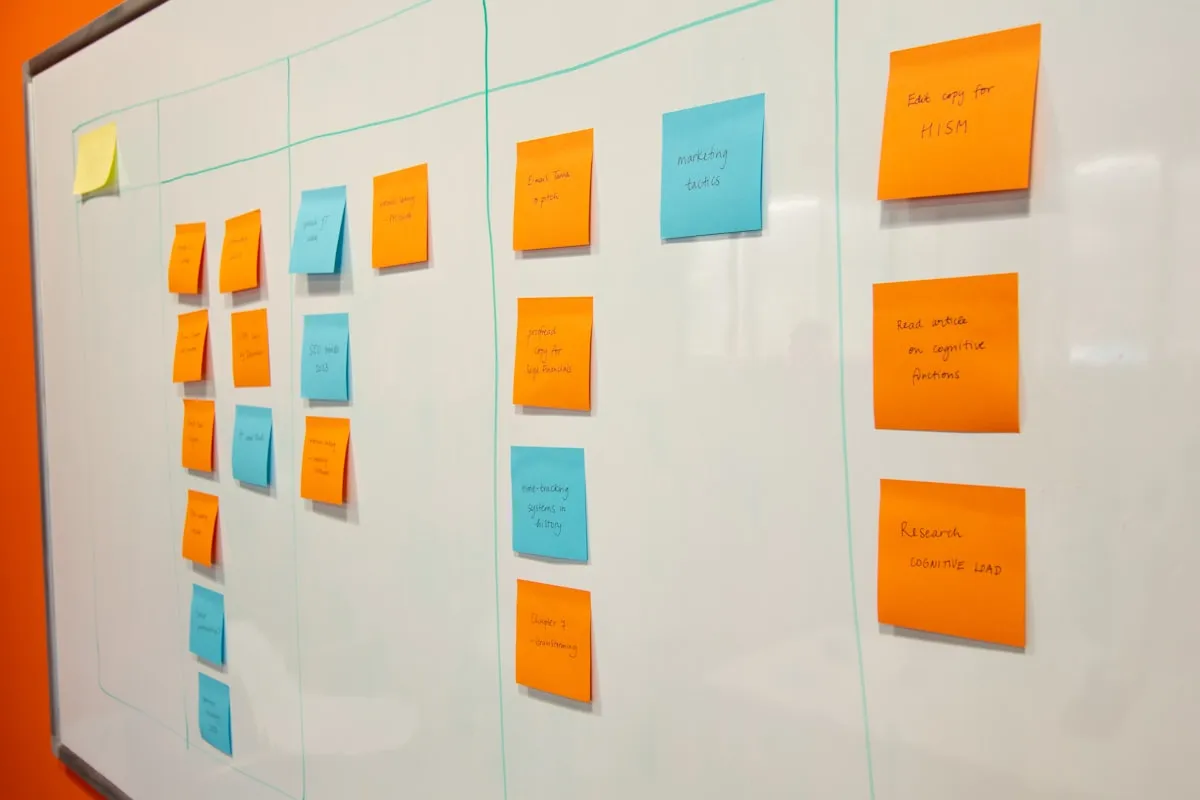
Make waiting visible. Blocked time hides because nobody owns it. A simple Kanban board with a “blocked” column turns invisible waiting into something you can see and chase, and a task tracker keeps dependencies from quietly stalling.
-
Manage scope and risk on purpose. Every change should be re-estimated, not waved through. Logging changes and risks in a risk register and keeping stakeholders aligned with a communications plan is how you keep Layer 4 from eating the budget.
The point isn’t to pad every estimate until projects look impossibly expensive. It’s to price a project honestly — so the number you commit to is the number it actually takes to run, and the overhead becomes something you manage instead of something that manages you.
The budget tells you what a project consumes. The hidden layers tell you what it costs. Plan for both, and the slip you’ve been blaming on bad luck starts looking a lot more like a number you can predict.