The truck quote is the number everyone fixes on. It’s also the number that lies to you.
The price of the move is only a fraction of what moving actually costs. The rest hides in deposits, overlapping rent, and the first frantic week in a half-empty place — and that gap is what quietly turns a planned move into a credit-card surprise.
Here’s the fix, and it takes about ten minutes: rough out a moving budget before you book anything. You don’t need exact figures. You need the five buckets most people forget and a realistic total to plan against. Summer makes this urgent — 11.8% of Americans moved in 2024 (U.S. Census Bureau migration data (opens in new tab)), and the largest share of those moves land in the warm months, when trucks, movers, and deposits all compete for the same paycheck.
The 5-bucket moving budget
A moving budget is just five buckets you fill in once. The truck is only the first one. Open a blank sheet (or a workbook you’ll keep for next time instead of rebuilding from scratch) and give each bucket a line:
| Bucket | What’s actually in it | Most-forgotten item |
|---|---|---|
| 1. The move itself | Truck rental or movers, fuel, boxes and supplies, moving insurance | Per-mile and fuel charges on long hauls |
| 2. Deposits & setup | New-place security deposit, utility activation, internet install | Utility deposits for a new account |
| 3. Overlap costs | Days you pay two rents/mortgages, short-term storage | The 3–5 day calendar overlap |
| 4. First week in | Groceries to restock, cleaning supplies, basic essentials, takeout | A fully empty pantry and fridge |
| 5. The buffer | A flat 10–15% for whatever goes sideways | All of it — people skip this line |
Bucket 1: The move itself
This is the quote you already have. For scale, professional movers recently averaged about $1,489 for a local move (under 50 miles) and $3,129 for a long-distance one (This Old House 2026 moving cost guide (opens in new tab)). Add boxes, tape, and a damage waiver — they’re small, but they’re real.
Bucket 2: Deposits & setup
This is the bucket that ambushes renters. A new lease usually wants a security deposit on top of first month’s rent, and utility companies often want a deposit to start service for a new account. Do the 10-minute apartment walk-through before you sign so a deposit dispute doesn’t start day one.
Bucket 3: Overlap costs
Almost nobody’s old lease ends the exact day the new one starts. Plan for three to five days of paying for two places — or a month of cheap storage if there’s a gap. Tracking those crossover bills as they hit keeps the double-rent week from looking like a mystery charge; a simple bill tracker is enough.
Bucket 4: The first week in
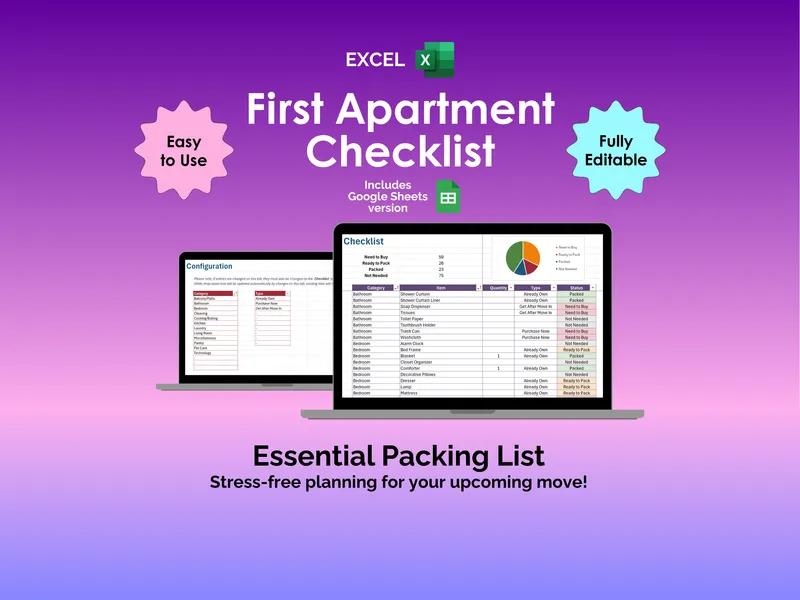
You arrive to an empty fridge, no paper towels, and no energy to cook. Set aside a realistic number for a grocery restock, cleaning supplies, and a couple of takeout nights. A first apartment checklist keeps this from becoming three panicked, overpriced store runs — see what to buy and what to skip.
Bucket 5: The buffer
Add a flat 10–15% on top of buckets 1–4. Something always costs more — a longer truck day, a parking permit, a deposit you forgot. The buffer is the difference between “we planned for that” and a new balance on a card.
A sample 10-minute budget
Here’s how the buckets add up with illustrative numbers — not a quote, just a shape to copy. Plug in your own and you’ll have a working total in minutes.
| Bucket | Local move (example) | Long-distance (example) |
|---|---|---|
| 1. The move itself | $1,489 | $3,129 |
| 2. Deposits & setup | $1,400 | $1,400 |
| 3. Overlap costs | $250 | $400 |
| 4. First week in | $300 | $350 |
| Subtotal | $3,439 | $5,279 |
| 5. Buffer (12%) | $413 | $633 |
| Planned total | $3,852 | $5,912 |
The lesson isn’t the exact totals — it’s the distance between bucket 1 and the bottom line. The truck was barely a third of it.
When each bucket actually hits your account
Here’s the part a total hides. A move doesn’t cost you $3,852 on moving day — it costs you $3,852 spread across about six weeks, and the biggest single hit usually lands weeks before the truck does. That’s the timing problem that turns a well-planned move into a credit-card move.
Using the local-move example above:
| When | What’s due | Illustrative amount | Running total |
|---|---|---|---|
| Lease signing (4–6 weeks out) | Security deposit + first month’s rent | $1,400 | $1,400 |
| Booking (2–4 weeks out) | Truck or mover deposit | $150 | $1,550 |
| 1–2 weeks out | Boxes, tape, supplies | $120 | $1,670 |
| Utility setup (the week before) | Activation fees, utility deposits | Included above | $1,670 |
| Moving day | Balance of the truck or movers, fuel | $1,219 | $2,889 |
| The overlap week | Two rents / two utility bills | $250 | $3,139 |
| The first week in | Groceries, cleaning supplies, takeout | $300 | $3,439 |
| Weeks 2–4 | The buffer items you couldn’t predict | $413 | $3,852 |
Read the running total column. By the time you’ve picked up the truck keys, you’ve already spent about three-quarters of the budget — and most of it went out before you touched a box. People who plan only for moving day get ambushed at lease signing, four weeks earlier, and end up financing the rest.
The move: Once you’ve totaled your five buckets, put a date next to each line. A budget tells you how much. A budget with dates tells you whether you can actually do this in June — which is the question you’re really asking.
DIY truck vs. movers vs. container: what actually changes
Bucket 1 has three shapes, and they don’t just differ on price — they move money between the other buckets. Comparing them on the quote alone is how people pick wrong.
| DIY truck rental | Full-service movers | Portable container | |
|---|---|---|---|
| Who loads it | You and whoever you can recruit | The crew | You (or hired labor) |
| Typical cost rank | Lowest sticker | Highest sticker | In between |
| Hidden cost that bites | Per-mile and fuel charges; the day you burn | Packing services and long-carry fees | Storage days if the timeline slips |
| Effect on bucket 3 (overlap) | You control the schedule, so overlap is short | Fixed delivery window; may force overlap | Built-in storage absorbs the gap |
| Effect on bucket 5 (buffer) | Largest — a slipped day costs another rental day | Smallest — the price is mostly locked | Moderate |
| Fits best when | Short distance, few stairs, willing bodies | Long distance, tight timeline, no help | The old lease and new lease don’t line up |
The pattern: DIY moves the cost into your time and your buffer. Movers move it into the sticker. Containers move it into the calendar. All three are legitimate — but you should know which bucket you’re pushing the money into before you book, not after.
Note the third column especially. If you’re facing a two-week gap between leases, a container often beats a cheaper truck plus two weeks of separate storage plus a hotel, even though the quote looks worse. That’s a bucket-3 decision wearing a bucket-1 costume.
Edge cases the five buckets don’t cover
The five buckets fit most moves. A few situations add a sixth line you should write down before you book:
- Breaking a lease early. Read the early-termination clause before you total anything. This can be the single largest number in your move, and it’s the one nobody discovers until they’ve already committed to a new place.
- An employer relocation package. Find out what’s reimbursed, what’s capped, and — critically — whether it’s paid up front or after you submit receipts. A reimbursement that arrives in eight weeks doesn’t help you at lease signing. It’s still your cash flow; it’s just borrowed against a promise.
- Moving with pets. Deposits and monthly pet rent at the new place, plus boarding for moving day itself. Pet rent is recurring, which makes it a budget line rather than a move line — but the deposit belongs in bucket 2.
- A gap between leases. Storage plus temporary housing plus a second partial move. Two moves cost more than twice one move, because you pay every setup cost twice.
- Moving for a job that starts immediately. You’ll pay for convenience at every step because you have no schedule flexibility — expedited delivery, weekend rates, takeout every night. Add generously to bucket 5.
- Big or awkward items. Pianos, gun safes, treadmills, aquariums. These are usually quoted separately, and finding out on moving day is expensive.
Common questions about moving budgets
How much should I budget for a move?
There’s no useful single number, because the honest answer depends on distance, home size, and how much of the labor you do yourself. That’s exactly why the five buckets beat a rule of thumb: fill them in with your own quotes and your own rent, and the total is yours rather than an average of strangers. What is generalizable is the ratio — the truck is rarely more than about a third of the total.
Should I get moving insurance?
Movers are generally required to offer a basic level of liability that’s calculated by weight, not by value — which means a damaged laptop is settled as a few pounds of cargo, not as a laptop. Full-value protection costs more and behaves the way most people assume the basic coverage already does. Check what your renters or homeowners policy covers in transit before you buy either, and check whether your credit card offers anything on a truck rental.
When’s the cheapest time to move?
Demand concentrates in the warm months, at month-end, and on weekends — which is when leases turn over. If your dates are flexible at all, a mid-month weekday move is the cheapest version of the same move, and it’s usually easier to book the truck size you actually want.
What do people forget most often?
In order: the buffer, utility deposits for a brand-new account, and the first-week restock. The buffer gets skipped because it feels like guessing. It isn’t — it’s the acknowledgment that you’ve never once predicted a move perfectly, and neither has anyone else.
The one thing to do today
Open a sheet and write the five bucket names down the side: move, deposits, overlap, first week, buffer. Fill in the numbers you already know, leave the rest blank, and total it. That ten-minute draft is your real moving budget — and the gap it reveals is exactly the money that would have surprised you.
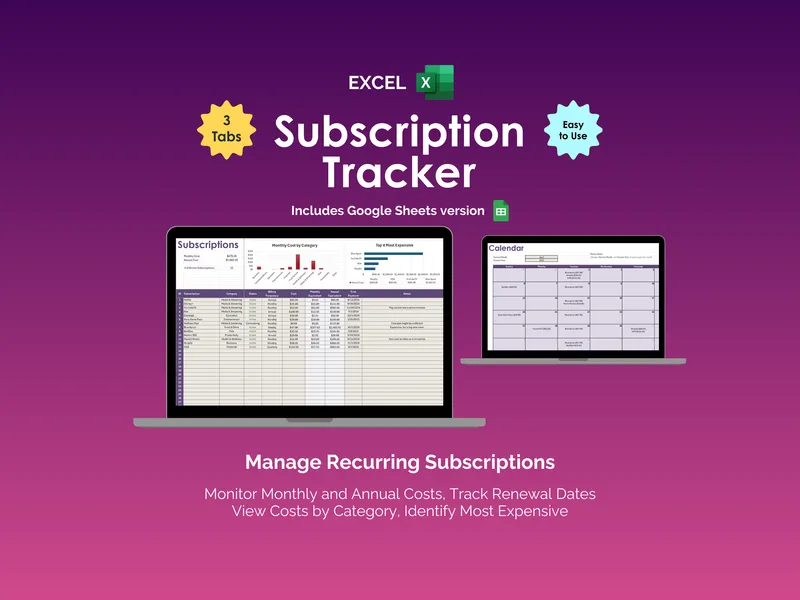
One more habit that pays off after the boxes are unpacked: cancel or transfer every service tied to your old address. A quick pass through a subscription tracker catches the gym, the storage unit, and the streaming bundles still charging the old you.
Build the budget before you book the truck, not after. Ten minutes now is the cheapest part of the whole move.