Here’s the payoff: a 2-minute weekly review is the single habit that keeps your task list, kanban board, or planner from quietly rotting into a graveyard of half-finished items. You can run it in the time it takes your coffee to cool, and it’s the difference between a system you trust and one you abandon by week three.
That’s the whole promise. Let’s set it up.
Why Productivity Systems Collapse (And It’s Not the App)
Most systems don’t fail because you picked the wrong tool. They fail because nothing ever pulls the stale items back into view. You add tasks all week, finish some, ignore others, and within a few weeks the list is mostly noise. You open it, feel a small wave of dread, and close it. That dread is the death of the system — not a missing feature.
The fix isn’t a better app or a more elaborate setup. It’s a tiny recurring maintenance ritual. The weekly review is the linchpin of nearly every durable productivity method, including David Allen’s Getting Things Done (opens in new tab) — but the full version scares people off because it sounds like an hour-long Sunday ceremony. It doesn’t have to be. Two minutes, done consistently, beats two hours done once.
The 2-Minute Weekly Review
Here’s the move. Open whatever holds your tasks, set a timer for two minutes, and run these five passes — about 20 seconds each. Speed is the point. Don’t reorganize, don’t replan, don’t redesign your categories. Just sweep.
- Close the done. Check off or archive everything you actually finished. This single pass removes most of the visual noise and gives you an honest hit of progress.
- Kill the dead. Delete or defer anything you know you’re not going to do. That “learn Italian” task from March is taxing you every time you scroll past it. Let it go.
- Surface the buried. Find the 1–3 genuinely important items that sank to the bottom and drag them back to the top where you’ll see them.
- Name the one big thing. Pick the single task that must happen next week. Not ten priorities — one. Star it, pin it, color it. This is your anchor.
- Confirm the next review. Make sure next week’s 2-minute review is on the calendar. The habit only works if it repeats.
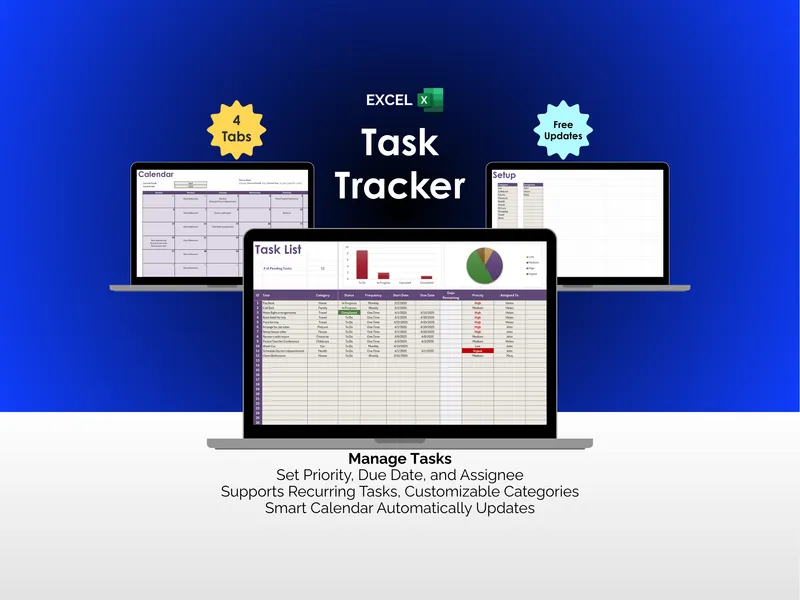
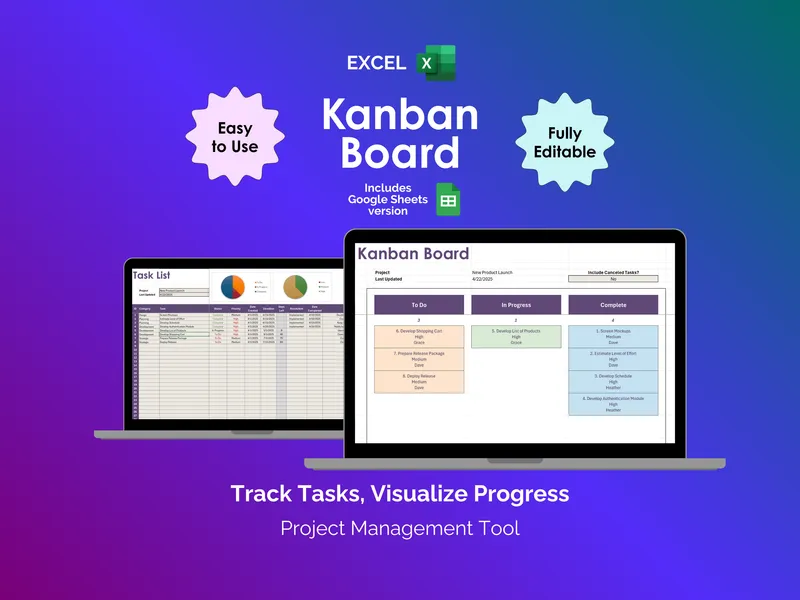
That’s it. Five passes, two minutes, done. The list you close is dramatically more trustworthy than the one you opened — and a list you trust is a list you’ll actually use. A clean weekly snapshot is exactly what a simple task tracker or kanban board is built to give you, so the review takes seconds instead of a scavenger hunt.
What Two Minutes Actually Does to a List
The five passes sound too small to matter. Here’s what they do to a normal, neglected list — a worked example, with a typical item count.
Say you open your list on Friday and there are 23 items on it. Here’s the sweep, pass by pass:
| Pass | What comes out | Items removed | Remaining |
|---|---|---|---|
| Start | The list as you found it | — | 23 |
| 1. Close the done | Finished but never checked off | 7 | 16 |
| 2. Kill the dead | Genuinely not happening | 5 | 11 |
| 3. Surface the buried | (nothing removed — 2 items moved to the top) | 0 | 11 |
| 4. Name the one big thing | (nothing removed — 1 item starred) | 0 | 11 |
| 5. Confirm the next review | (nothing removed) | 0 | 11 |
| End | 12 | 11 |
Twelve of twenty-three items gone in about forty seconds of actual work — and not one of them was a task you had to do. Seven were already finished. Five were never going to happen. More than half the list was lying to you, and the only cost of the lie was that you flinched every time you opened it.
That’s the mechanism. The 2-minute review doesn’t make you more productive. It makes your list true. The productivity is a side effect of trusting a true list enough to open it.
And notice which passes remove nothing. Passes 3, 4, and 5 don’t shrink the list at all — they aim it. Pass 1 and 2 are janitorial; passes 3 through 5 are the actual review. People who quit after “close the done” get a tidier graveyard, not a working system.
The Four Ways the Review Dies
The habit is two minutes long, so when it fails it’s never about time. It’s one of these:
- You started reorganizing. You opened the list to sweep it and forty minutes later you’re renaming categories and evaluating a new app. Now the review costs forty minutes, so next week you don’t start it. The fix: the timer is not a suggestion. When it goes off, you’re done, even mid-pass.
- You tried to do the tasks. Pass 3 surfaces something small and you think “that’ll take a second.” It never takes a second, and now the review is a work session. The fix: the review touches the list, never the work. Anything you’re tempted to do right now is exactly the thing to star and walk away from.
- You skipped a week, and then it was too big. One missed review makes the next one feel like a cleanup project instead of a sweep, which makes you skip that one too. This is the most common death, and it’s a doom loop. The fix is below.
- You have no anchor. “I’ll do it when I think of it” is not a plan; it’s a hope. See the table below.
Three of the four are the same mistake wearing different clothes: letting the two minutes become something bigger. The size is the feature. Protect it more carefully than you’d protect an hour.
What to Do When You’ve Skipped Six Weeks
You will skip. Everyone skips. The question is only whether the return costs you two minutes or the whole system.
Don’t try to catch up. Declare list bankruptcy instead:
- Set the same two-minute timer. Not thirty. Two. The rules don’t change because you were away.
- Archive everything older than a month, unread. Don’t evaluate it — archive it. If something in there genuinely matters, it will come back on its own, and it’ll come back louder. That’s what mattering means.
- Run the normal five passes on whatever’s left. It’ll be a short list. That’s the point.
- Put next week’s review on the calendar before you close the tab.
The instinct is to atone — to sit down for an hour and process every stale item as penance for having skipped. Don’t. That hour is precisely what taught you to dread the review in the first place. The habit survives on being small, and a comeback that isn’t small isn’t a comeback.
When to Run It
The best time is whenever you’ll actually do it. Anchor the review to something you already do every week so you don’t have to remember it:
| Anchor moment | Why it works |
|---|---|
| Friday wind-down | Close the week clean; start Monday without dread. |
| Sunday coffee | Calm, unhurried, sets the tone for the week ahead. |
| Monday before email | Decide your priorities before everyone else decides them for you. |
Pick one. Attaching a new habit to an existing routine is far more reliable than relying on willpower or a reminder you’ll swipe away.
Why Two Minutes Beats Two Hours
The elaborate weekly review fails for the same reason crash diets fail: it’s too big to repeat. A 2-minute review is small enough that you’ll never have an excuse to skip it, and consistency is what actually keeps a system alive. This is the quiet truth behind so many productivity habits that look great on YouTube but die in real life — the ones that survive are the ones small enough to do on a bad day.
Do the tiny version every week and you’ll never need the big one.
Bonus Level: The 5-Minute Version
Got a little more margin? Add three quick moves on top of the core five:
- Glance at next week’s calendar. Spot the day that’s already overloaded so nothing blindsides you.
- Write one line: “What slipped, and why?” Not to scold yourself — just to notice patterns. If the same task slips four weeks running, it’s telling you something.
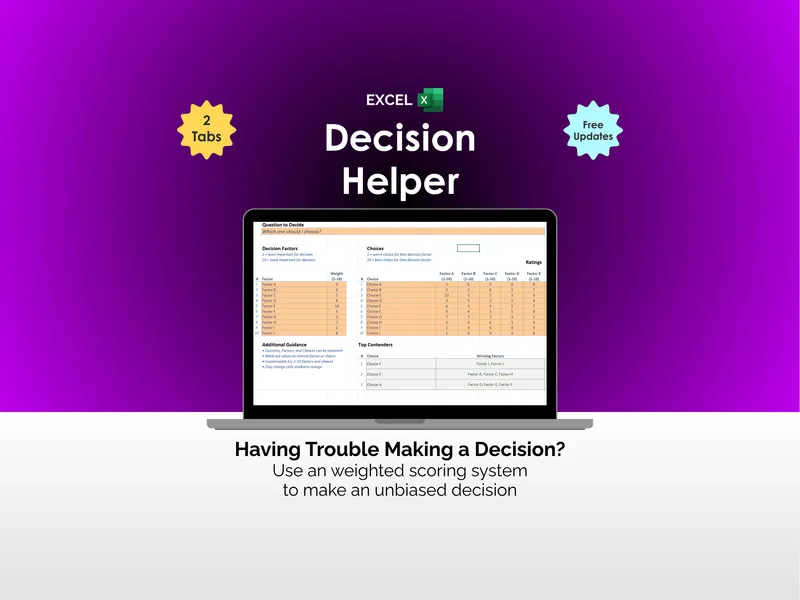
- Make one decision you’ve been dodging. Every stalled list has a “I need to figure out X” item quietly blocking three others. Use a decision helper to settle it in a few minutes instead of letting it haunt you for a month.
If you want a system designed to make this kind of weekly reset effortless rather than another chore, see how a personal kanban board can organize life outside of work.
Common Questions About the Weekly Review
Is two minutes really enough?
For maintenance, yes — that’s all this is. The 2-minute review isn’t trying to be planning, goal-setting, or reflection. It’s the equivalent of wiping the counter, not renovating the kitchen. Keep it at maintenance and it survives the weeks when everything else doesn’t, which is the only property that matters in a habit you need to repeat fifty times a year.
What’s the difference between this and a full GTD weekly review?
Scope. A full review processes every inbox, revisits every project, and checks your commitments against your calendar — genuinely valuable, and genuinely an hour. The 2-minute version does the one part that keeps the system from rotting: pulling the stale items back into view. If you already run the full version consistently, keep doing that. If you’ve bounced off it twice, this is the version that sticks.
Should I do this daily instead?
No. Daily is too often for a sweep — you’d be reviewing a list that hasn’t changed enough to need it, which is how the habit turns into noise you learn to ignore. Weekly matches how fast a task list actually goes stale. If you want a daily ritual, make it “pick today’s one thing,” not a review.
What if my list lives in three different places?
Then run the sweep on the one that actually holds your commitments, and use pass 2 to be honest about the other two. Multiple lists usually means one real list and two abandoned ones — the review is a good moment to notice that and stop pretending. If all three are genuinely live, that’s the problem the review just surfaced, and it belongs in the 5-minute version’s “one decision you’ve been dodging.”
Does this work for a shared or team list?
The five passes do, but the honesty doesn’t survive an audience — nobody kills their own dead items with a colleague watching. Run your own two minutes privately, then bring the “one big thing” to the team. A shared board needs the same maintenance; it just needs someone to own it.
The takeaway: Productivity systems don’t die from neglect of the work — they die from neglect of the maintenance. Two minutes a week is the cheapest insurance you’ll ever buy against a collapsed system. Set the timer this Friday.