It’s the last Sunday of May. Memorial Day weekend is winding down. You’re sitting somewhere with a cold drink, watching the light change, and a small voice in your head says: this is going to be the summer.
You know the one. The summer you read the books, the summer you take the walks, the summer you finally make the thing.
There’s actual research behind this feeling. Behavioral economists call it the fresh-start effect (opens in new tab) — a 2014 study by Katy Milkman and colleagues showed that “temporal landmarks” (a new month, a birthday, the start of summer) make people significantly more likely to commit to aspirational goals. New Year’s gets the credit, but Memorial Day weekend works the same way. The summer plans you draft right now are not casual scribbles — they are the cleanest, most optimistic version of yourself you’ll generate all year.
It’s a real cognitive boost. It’s also why you’ll make nine specific promises this week that will be unrecognizable by mid-July.
This is the field guide.
1. “I’ll Read 12 Books This Summer”
The May version. You make a list. You include the literary novel everyone keeps mentioning, the business book someone gave you in February, a thriller because you’re not a snob, and at least one biography of someone who built a railroad or ran a country. You stack the books on a shelf where you can see them. You take a picture of the stack.
The July version. You are 47 pages into the literary novel. You have read the back of the thriller four times. The biography has a coaster ring on it.
The honest pivot. You’re not going to read 12 books. You might read three. Pick the one you’d actually want to talk about with another human, and finish that. The other 11 weren’t really for reading — they were for having intended to read, which is a different and perfectly respectable hobby.
2. “I’ll Get in the Best Shape of My Life”
The May version. New shoes. A workout plan saved to your phone. A reasonable, sustainable schedule of three runs a week and two strength days. The first run feels great. You text someone about it.
The July version. It’s 91 degrees at 7 a.m. You did one run two weeks ago. The shoes still look new. The workout plan is now somewhere in your camera roll, between a screenshot of a recipe and a picture of a Wordle score.
The honest pivot. The plan was too ambitious for a heat wave. Pick one movement habit that survives 95-degree days — a 20-minute morning walk, a pool swim, a stationary bike at the gym you already pay for. One small thing you’ll actually do in August beats five things you did in May.
3. “I’ll Cook at Home More — Real Food, Every Night”
The May version. You go to the farmers’ market on a Saturday. You buy strawberries, three kinds of greens, and a small bottle of olive oil from someone whose family has been pressing it for four generations. You feel like a person who cooks.
The July version. The fancy greens turned slimy. You ate dinner over the sink twice this week. You ordered takeout on a Tuesday because you got home and could not face a stove.
The honest pivot. Three real meals a week is a win. Pick the days — say, Sunday, Tuesday, Thursday — and have a default recipe on each. The other nights are takeout, leftovers, or cereal, and that’s not a failure. That’s just summer.
4. “I’ll Finally Learn the Language / Instrument / Skill This Summer”
The May version. You download the app. You buy the beginner’s book. You sign up for the free trial of the online course. You tell exactly one person, because saying it out loud feels like commitment.
The July version. The app has sent you 14 increasingly passive-aggressive notifications. The book is bookmarked at page 8. The course’s free trial converted to a paid subscription that you’ll cancel “once you’ve gotten your money’s worth.”
The honest pivot. Beat yourself up less. The promise was learn the skill. The realistic goal is get past the first plateau. Pick the smallest possible daily commitment — 10 minutes, same time, same chair — and stop measuring yourself against the kid on YouTube who’s been doing this since age six.
5. “I’ll Use the Long Evenings to Catch Up on My Side Project”
The May version. The side project — the novel, the online shop, the codebase, the renovation, the thing you’ve been telling people about for two years — is going to get its month. June. You have already mentally cleared June.
The July version. You opened the file once. It looked exactly the way you left it in February, which is to say, slightly accusatory. You closed the file. You did not open it again.
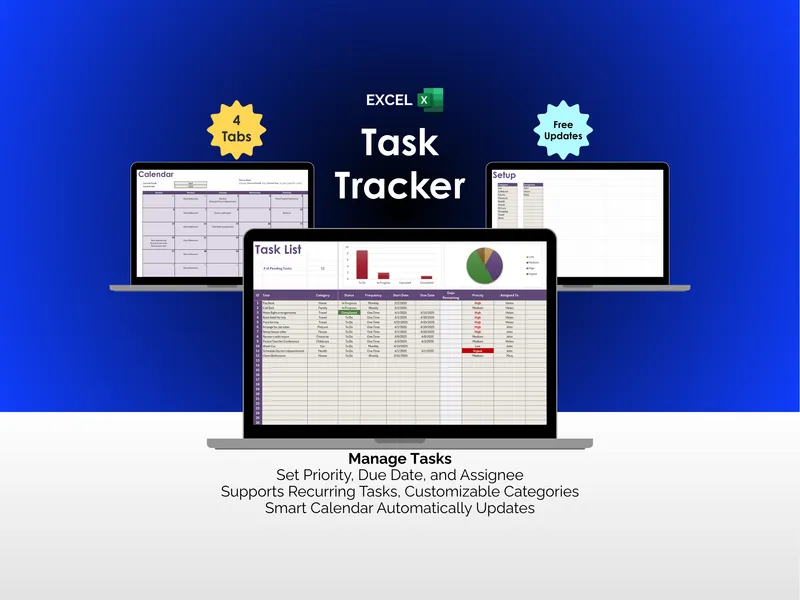
The honest pivot. Side projects don’t fail in summer because of summer. They fail because there’s no schedule, no scoped next step, and no place where you’ve written down what “done for today” looks like. A task tracker with three lines of next actions does more for a stalled project than another month of “I’ll get to it.” You don’t need the project to take over June. You need it to take over Wednesday morning for 45 minutes.
6. “I’ll Take a Real Vacation. With a Notebook.”
The May version. This is the vacation where you’ll read by the pool, journal at sunrise, eat slowly, and come back rested. You picture yourself in a linen shirt holding a leather-bound notebook. You write the trip on the calendar in your nicest handwriting.
The July version. You scrolled your phone in a hammock. You took 187 photos of approximately the same view. The notebook stayed in the bag. You came back tired in a different way than when you left.
The honest pivot. The notebook fantasy is a productivity fantasy in disguise. A real vacation doesn’t need a deliverable. If the only thing you bring back is a quieter nervous system, that’s enough. If you do want one small piece of structure, pick one question — “what’s working in my life right now?” or “what do I want less of?” — and answer it on the flight home. That’s the journaling, condensed.
7. “I’ll Reset My Sleep Schedule This Summer”
The May version. Now that the days are longer and the calendar feels gentler — this is the summer you’re going to be a 10 p.m. person. You buy blackout curtains. You move the phone charger to the kitchen.
The July version. The sun sets at 8:48 p.m. There’s a backyard fire pit. There’s leftover wine. There’s a movie that ends at 11:30. You are not a 10 p.m. person. You are barely a midnight person.
The honest pivot. Sleep schedules don’t reset in summer. They reset in September, when the light goes away and the calendar imposes itself again. For now, pick one thing that protects the morning — same wake time on weekdays, no phone for the first 20 minutes — and forgive the rest.
8. “I’ll Finally Get Together With All These People I’ve Been Meaning to See”
The May version. You make a list, mental or actual: the old college roommate, the friend who moved away, the work mentor, the cousin you only see at funerals. You think, summer’s the time. Long evenings, casual cookouts, kids occupied, schedules looser.
The July version. You texted two of them. One of those threads died after three messages. You have not seen any of them. You did, however, see four neighbors and three strangers at a barbecue.
The honest pivot. Long-overdue friendships don’t survive group-text “we should hang out” energy. Pick one person from the list. Send a single message with a date and a place. If you’ve made it to August with one real reconnection, you’ve outperformed almost everyone you know.
9. “I’ll Start Tracking My Time / Money / Workouts So I Know Where It Goes”
The May version. A new spreadsheet. A new app. A new notebook with the date on the first line. You enter data for 11 days in a row. The graphs are beautiful. You can already see patterns.
The July version. You stopped tracking on day 12. The system you built is still there, frozen at June 4th, like an archaeological dig of your former intentions.
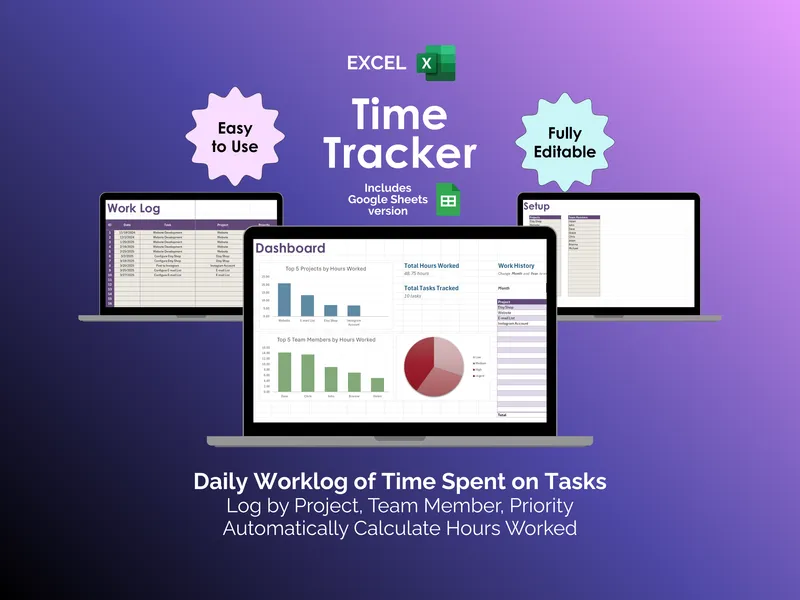
The honest pivot. Tracking systems fail because they ask too much per entry. Three numbers a day is sustainable. Twelve fields per workout is not. A simple time tracker you can fill in 30 seconds — versus the elaborate dashboard you imagined — is the one that’s still alive on Labor Day. The data you almost collected isn’t data. (This is the same trap behind most YouTube productivity habits that die in real life — beautiful systems that require more friction than your actual week can absorb.)
The Pattern Behind All Nine
Read the nine promises in order and the pattern is hard to miss. Every one is the same shape:
| Promise | What it’s really asking for |
|---|---|
| Read 12 books | More slowness, less screen time |
| Best shape of my life | A body that feels like yours again |
| Cook at home more | Domestic competence, smaller takeout bills |
| Learn the skill | Proof you’re still becoming someone |
| Catch up on the side project | The thing you’d be proud to have made |
| Real vacation with a notebook | Permission to actually rest |
| Reset sleep schedule | Mornings that don’t feel hijacked |
| See all those people | Friendships that aren’t just history |
| Track my time/money/workouts | Knowing where life is going |
These are the same nine wishes you had last May. And the May before that. They’re not bad wishes — they’re the wishes most adults have most of the time. The reason they break by July isn’t laziness. It’s that nine wishes can’t all be projects.
The Real Field Note: Pick Three
Here’s what nobody admits about the summer promise list: it isn’t a planning document. It’s a vibes document. You’re not writing down nine concrete commitments. You’re describing the version of yourself you’d like to meet.
That’s not nothing. The fresh-start effect (opens in new tab) is real motivation, and Memorial Day is one of the strongest temporal landmarks of the year. The energy that makes you draft a nine-item list in May is the same energy that drives gym sign-ups in January and first-day-of-the-quarter goals at work. It’s a free cognitive boost. Most people waste it.
The fix isn’t a stricter list, or a more “realistic” one, or to swear off the whole exercise. The fix is to pick three. Three out of nine. Not the three that sound the most virtuous — the three you’d be quietly disappointed about if August ended and you’d done none of them.
Write those three somewhere you’ll see them. Define what “I did this” looks like for each — a number, a date, a finished thing. Put the other six on a different page labeled “ambient summer hopes,” and let them be aspirational, not accusatory.
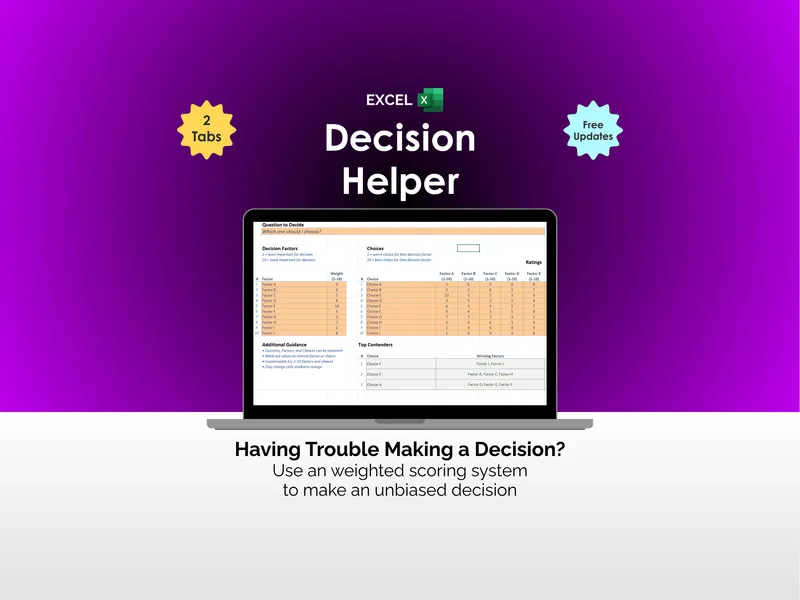
For the three you keep, the system matters more than the willpower. A personal kanban board with one column called “this summer” and three cards on it does more than the most beautiful Notion vision board, because it has three things, not thirty. If you’re not sure which three deserve the slot, walk them through a decision helper — what’s the cost of skipping it, what’s the cost of doing it, what’s the smallest version that still counts.
By the time July arrives, six of your May promises will be quietly broken. That’s fine. That’s the design. The point of the field guide isn’t to prevent the breakage. It’s to know, in advance, which three you actually meant.
Sometime in late August, you’ll sit somewhere with another cold drink, watching the light change, and you’ll do the audit. The three things you finished will be there. The six you didn’t will have stopped accusing you, because you stopped pretending you were going to do them.
That’s the version of summer worth keeping.