You priced your cookies in March. The numbers worked. Your margin felt healthy, your buttercream behaved, and a batch took exactly as long as you expected.
Now it’s July. The kitchen is 85 degrees by 10 a.m., your buttercream is sliding off the cake before you can box it, the air conditioner has been running since dawn, and somehow—even though you’re selling more—your bank account doesn’t reflect it. Sound familiar?
Here’s the thing most home bakers never get told: summer baking costs more to do than winter baking, even when the recipe is identical. The price you set in cooler months silently stops covering your real costs the moment the temperature climbs. You didn’t do anything wrong. The math just changed underneath you.
Let’s walk through exactly where summer eats your profit—and how to claw it back before the season’s busiest weeks.
Why Summer Quietly Eats Your Baking Profits
Summer raises a home baker’s cost of producing the same item through five separate channels: higher energy use, more wasted product, faster spoilage, costlier transport, and pricier ingredient workarounds. Individually, each one looks small. Stacked together over a busy season, they can quietly erase a chunk of your margin on every order.
The reason it’s so easy to miss is that none of these costs show up as a line item. Your recipe card still says “2 cups flour, 1 cup butter.” It doesn’t say “plus 40 minutes of extra AC and one re-piped cake.” So you keep charging the spring price for a summer product.
| Hidden summer cost | What it quietly adds to each order |
|---|---|
| Energy (oven + AC) | Higher electricity use as the oven fights the air conditioner |
| Rework & waste | Re-piped buttercream, re-set chocolate, trashed batches |
| Faster spoilage | Shorter safe-hold windows mean more unsold write-offs |
| Transport | Cold packs, sturdier boxes, faster delivery windows |
| Ingredient swaps | Pricier heat-stable shortening, stabilizers, extra butter |
1. Your energy bill is doing double duty
In winter, your oven is almost a feature—it warms the house while it works. In summer, it’s fighting your air conditioner. You’re paying to add heat and paying again to remove it.
That matters more than it used to. The average U.S. residential electricity price has climbed to roughly 17 cents per kilowatt-hour, with federal forecasts projecting it to keep rising through 2026 (U.S. Energy Information Administration (opens in new tab)). A home oven pulls a lot of power, and every hour it runs in July, your AC works harder to undo it. The result: the same batch of cupcakes carries a higher energy cost in August than it did in February, even at the identical recipe and yield.
Many bakers never fold utilities into their per-item cost at all. In summer, that omission gets expensive.
2. Buttercream and chocolate stop cooperating
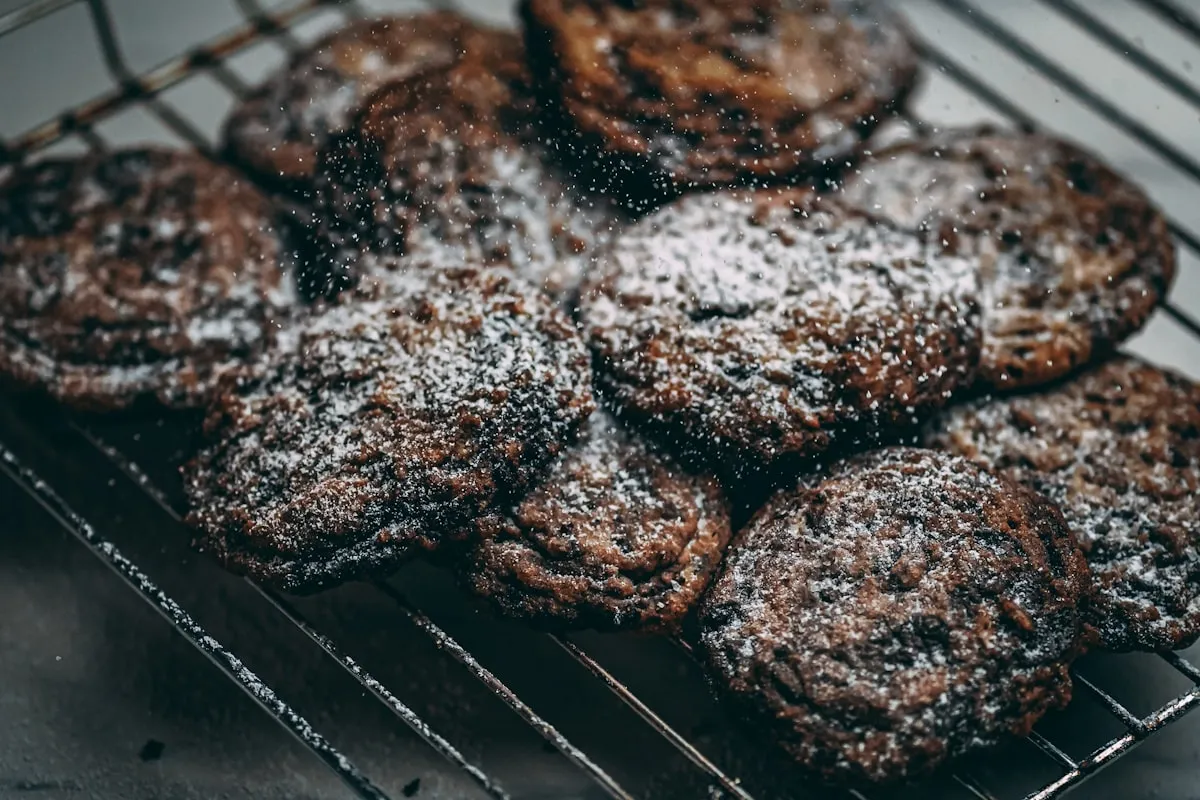
This is the one you can feel. Butter softens at room temperature and turns to liquid as the kitchen warms—which is exactly why a buttercream that piped beautifully in spring goes soupy in a hot kitchen. Tempered chocolate blooms and seizes. Ganache won’t set. Royal icing takes longer to dry in humid air.
Every one of those problems has the same hidden cost: rework and waste. A collapsed buttercream rose is a rose you pipe twice. A melted chocolate drip is a cake you re-chill and re-finish. A batch that “didn’t set right” is ingredients in the trash. None of that shows up on your invoice, but all of it shows up in your time and your supply costs.

When you bake for free or for a hobby, rework is just annoying. When you’re running a business, it’s margin walking out the door—one re-piped cake at a time.
3. The food-safety clock speeds up
Heat doesn’t just threaten how your bakes look—it shortens how long they’re safe. Perishable fillings (cream cheese frosting, custards, whipped cream, anything with dairy or eggs) sit in what the USDA calls the “Danger Zone.”
The USDA Food Safety and Inspection Service (opens in new tab) defines that zone as 40°F to 140°F, the range where bacteria can double in as little as 20 minutes. Their guidance: perishable food shouldn’t sit out more than two hours—and no more than one hour when the temperature is above 90°F. A summer porch drop-off or a warm car can blow through that one-hour window fast.
For a baker, that translates into real money: shorter selling windows, products you can’t safely hold over to the next market, more inventory you have to bake fresh and risk not selling, and the occasional batch you have to write off entirely. (This is also why your local cottage food rules matter even more in summer—check what your state allows before selling anything perishable.)
4. Getting it to the customer costs more
A cake that survives a 70-degree spring delivery can arrive as a slumped mess in July. Protecting your work in summer means real added expense: insulated bags, ice packs, sturdier boxes, faster delivery windows, and sometimes turning down orders that simply can’t travel in the heat.
If you deliver yourself, you’re also running the car’s AC the whole way and timing routes around the coolest hours. If you ship, you’re paying for cold packs and expedited service. Either way, the cost of getting the product to the buyer intact goes up in summer—and many bakers are still quoting the spring delivery fee.
5. Your ingredient workarounds cost more
To fight the heat, many bakers switch formulas: high-ratio shortening or stabilizers to hold buttercream, more expensive heat-stable chocolate, extra butter to compensate, or gelatin and meringue powder to firm things up. These swaps work—but they cost more than your standard recipe, and the difference rarely gets re-entered into your pricing.
It’s a classic trap: you solve the quality problem (the buttercream holds!) without solving the cost problem (the heat-stable version costs noticeably more to make).
How to Protect Your Margins This Summer
The fix isn’t to bake less. It’s to make summer’s real costs visible so your prices can account for them. Here’s where to start.
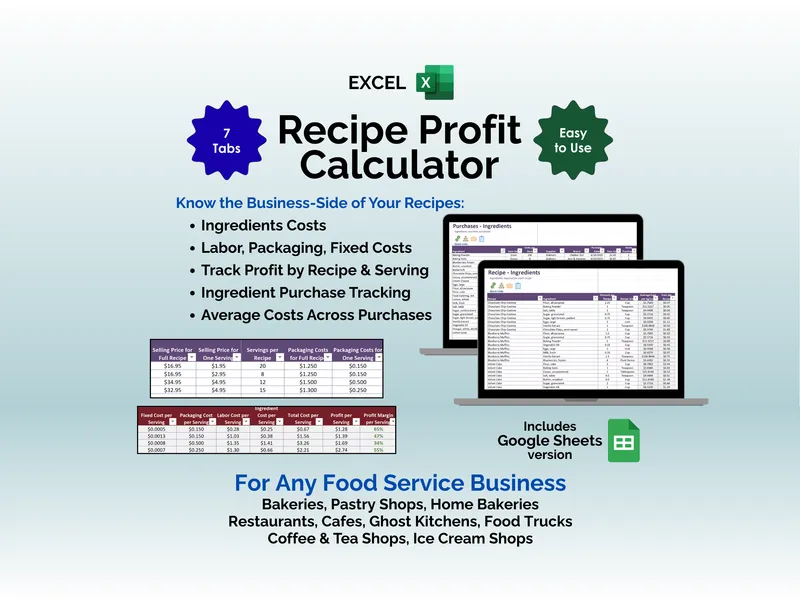
Recost your top sellers for summer conditions. Take your three or four best-selling items and rebuild their cost from scratch with summer numbers: the heat-stable ingredient swaps, a realistic rework rate, and a share of your energy bill. You’ll almost certainly find the spring price no longer holds. A tool like the Recipe Profit Calculator makes this fast—change the ingredient costs once and watch every item’s true margin update.
Add a small seasonal surcharge or summer delivery fee. You don’t have to permanently raise prices. A clearly labeled “summer handling” fee on perishable or delivered items covers the cold packs, faster routes, and shorter safe-hold windows without rewriting your whole menu. Customers understand that a cake in a heatwave needs extra care.
Track your rework honestly for two weeks. Every time you re-pipe, re-chill, or trash a batch, jot it down. Many bakers dramatically underestimate how often this happens in summer. Once you see the real number, you can price for it—or change the design to one that survives the heat.
Shift your bake schedule to the cool hours. Baking before 9 a.m. or after 8 p.m. cuts the oven-versus-AC fight and helps buttercream behave. It won’t eliminate the energy cost, but it shrinks it—and it reduces rework, which is the bigger hidden expense.
Watch your perishable inventory like a hawk. Summer is the worst time to over-bake “just in case.” Spoilage is faster and the safe selling window is shorter, so unsold perishable stock is more likely to become a write-off. Tighter batch sizes and better inventory tracking—even a simple kitchen inventory spreadsheet—keep you from baking margin straight into the trash.
A quick worked example
Let’s work through an illustrative number to see how this stacks up. Say a dozen decorated cookies costs you 4 dollars in ingredients and you sell them for 18 dollars—a tidy margin on paper.
Now layer in summer: heat-stable ingredient swaps add about 50 cents, one re-iced cookie per dozen costs another 1.50 in product and your time, a share of the extra AC-and-oven energy runs maybe 75 cents, and cold packs for delivery add 2 dollars. That’s roughly 4.75 to 5 dollars in summer-only costs that never existed in your spring math. On an 18-dollar sale, that’s a quarter to a third of your gross—gone, invisibly, unless you account for it.
(Those figures are a sample to show the mechanics, not a benchmark for your kitchen—your real numbers depend on your recipes, region, and energy rates.)
The Bottom Line
Summer baking doesn’t fail because you got worse at it. It quietly underperforms because the same recipe genuinely costs more to produce when it’s hot—in energy, in waste, in spoilage, in transport, and in ingredients—and your spring prices were never built to absorb that.
The bakers who stay profitable through the hot months aren’t the ones who work hardest. They’re the ones who recost for the season, price for the real costs, and track waste instead of guessing. Make summer’s hidden costs visible, and your margin stops melting along with the buttercream.
If you’re tired of rebuilding pricing math by hand every season, the Bakery Business Manager keeps your recipes, costs, and margins in one place so a quick summer recost takes minutes, not an afternoon.
And when your bakery outgrows a spreadsheet—juggling real inventory, production batches, and orders across a busy season—Ardent Seller (opens in new tab) is the next step.