

Operator OS 16 min read
How to Price a Service Call
A customer sees $129 on the invoice for an hour of work and assumes you kept $129. Here is the cost stack underneath a service call, and how to build your own billable rate from it.
Pricing and job tools for plumbers, electricians, HVAC and appliance pros — built so you quote one fixed price at the door. Turn your billable rate, parts, and book hours into a clean flat-rate menu, estimate the custom-bid jobs, and track the labor hours behind every ticket.
Quoting hourly off the cuff punishes your fastest tech, scares the customer with an open-ended meter, and turns every job into a fresh negotiation. Flat-rate pricing fixes all three — but only if the price behind each task is built right: your billable rate, your parts and markup, your book hours. The tools here build that pricing once, so the number you quote actually covers the work.
New to building a flat-rate menu? Start free with the flat-rate task calculator — no signup — then read what flat-rate pricing is and how the price is built.
Weighing your options? Compare a spreadsheet vs a flat-rate pricing app for the stage your shop is at.
Recommended tools
5 templates
A flat-rate pricing workbook that builds your whole menu, an estimating workbook for the custom-bid jobs, and the time trackers for the labor hours behind every ticket — in Excel and Google Sheets.

Seven trades and contractor products in one bundle, plus a Control Panel for Excel or Google Sheets that works out what a billable crew hour costs.
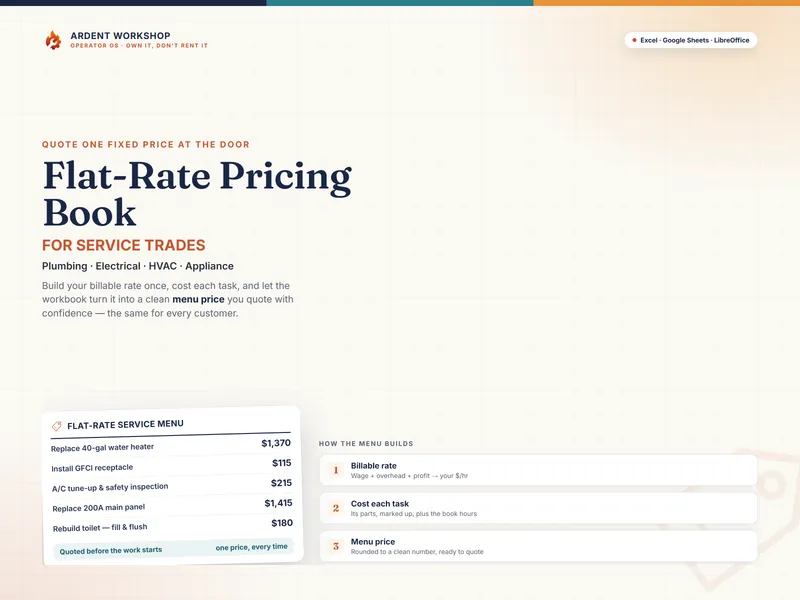
Flat-rate price book for service trades — set your billable rate, cost each task, and build a clean menu for plumbing, electrical, HVAC & appliance work.
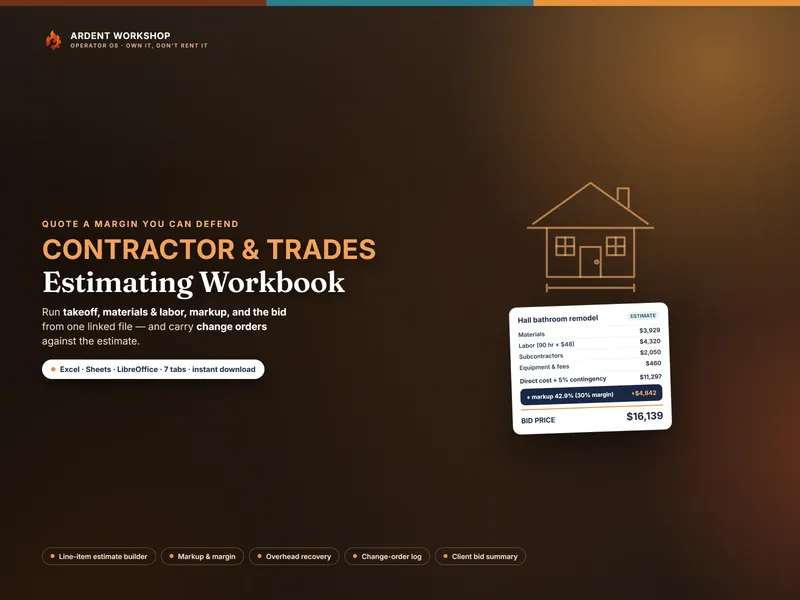
A contractor estimating workbook for Excel & Google Sheets — line-item job costing, bid markup vs margin, overhead, and change orders in one file.
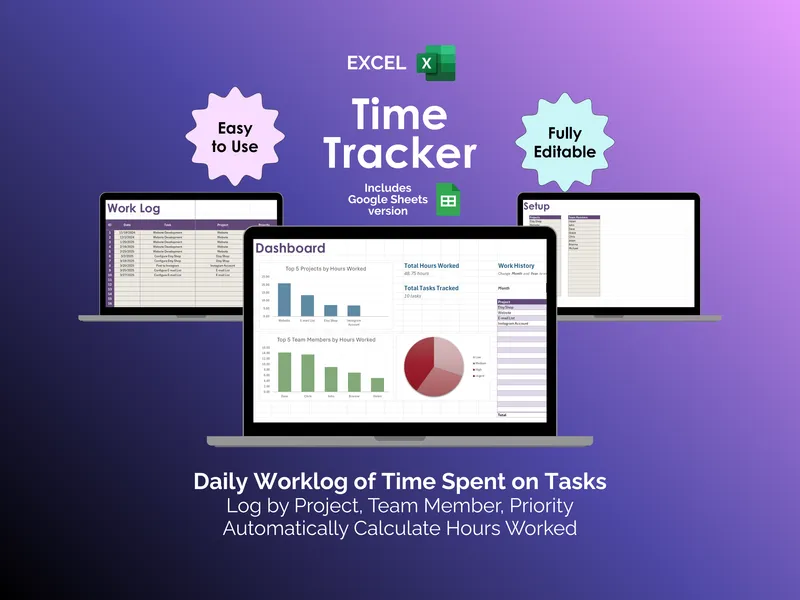
It's Friday afternoon and you owe three clients an invoice. This excel time tracker logs hours by project, team member, and priority, then totals them for you.
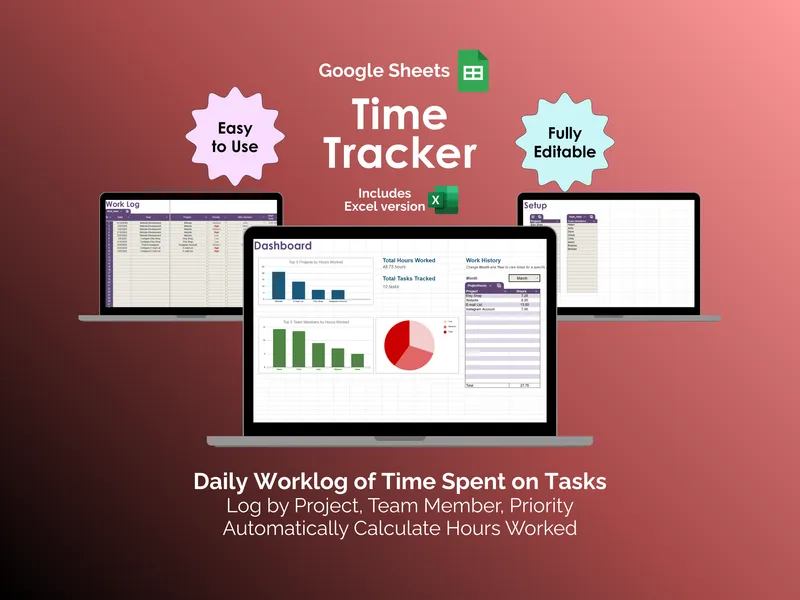
When was the last time your invoice matched what you actually worked? This google sheets time tracker logs daily hours and totals them for you.
Where we fit
Compare the setup effort, collaboration, and automation you need. Ardent Workshop sells ready-made templates; a custom spreadsheet or software platform may fit better depending on the job.
Build the structure around your own process, with time set aside for formulas, layout, and maintenance.
Owned, structured, connected workbooks — a one-time price, yours to keep.
Consider a platform when you need shared workflows, automation, or integrations. Check the specific plan, permissions, and export options.
Running an operation that's genuinely outgrown the file? Ardent Seller isn't the generic SaaS app this ladder warns about — it's maker-first software built by the same workshop: your data stays yours, you can start free or pay as you go with no subscription required, and it's sized for your operation, not someone bigger. The platform to graduate to when a spreadsheet honestly can't keep up.
Reading list
Building the billable rate every flat-rate task is priced from — burden, drive time, overhead and margin.
A customer sees $129 on the invoice for an hour of work and assumes you kept $129. Here is the cost stack underneath a service call, and how to build your own billable rate from it.
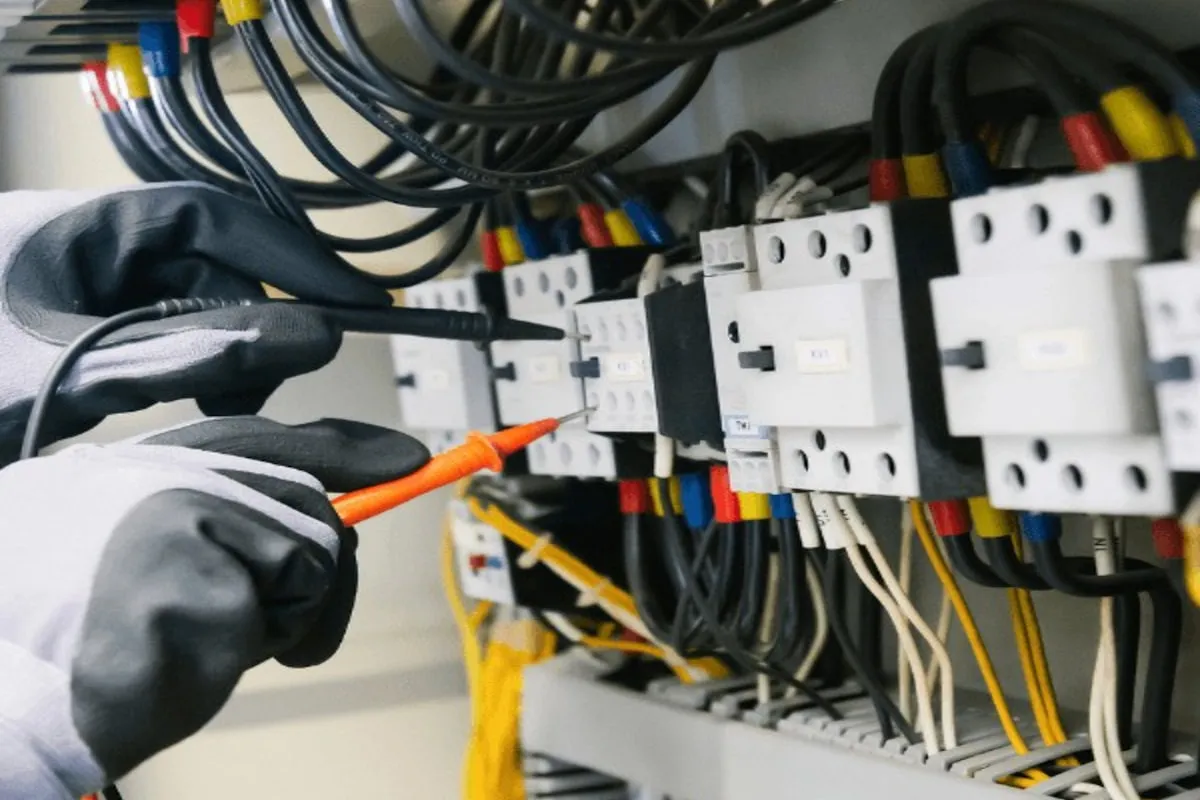
There is no national apprenticeship hours table. The number that binds you is set in three separate places — the federal floor, your registered program standards, and your state licensing board — and they routinely disagree.

A full year of toolbox talk topics, one per week, ordered so seasonal hazards land in their season and no hazard family repeats inside four weeks — plus how to pick the order for your trade and when to break it.

The Heinrich safety pyramid says every serious injury sits on 29 minor ones and 300 near misses. Here is the case for it, the case against, and how a small crew should actually use it.