What it is, in one paragraph
An auto-renewal clause — sometimes called an evergreen clause — extends a contract for a further term automatically unless you give notice to cancel inside a specified window. It appears in gym memberships, storage units, alarm monitoring, pest and lawn contracts, software subscriptions and residential leases. The clause operates by your doing nothing, which is what makes it effective. This page is general information, not legal advice — consumer rules around automatic renewal differ by state and country.
The three numbers that decide what it costs you
- What it renews into. A further fixed term — often the same length as the original — or month-to-month. This is usually the most expensive variable in the clause. Renewing into another twelve months and renewing into a rolling month are not remotely the same commitment.
- The notice window. Not just a deadline but usually a window with two edges: notice must arrive no earlier than one date and no later than another. Notice given too early can be as ineffective as notice given too late.
- The renewal price. Whether it renews at the same rate, at a stated rate, or at whatever the company is charging then. An uncapped renewal price pairs badly with automatic renewal, because the new price applies before you have decided whether to stay.
How cancellation must be delivered
Read this sentence twice, because it is one of the commonest reasons a cancellation does not take effect. Agreements variously require notice in person at the location where you signed, by certified mail with return receipt, on a specific form, or to a named address that is not the one you deal with day to day. An email cancellation sent to a company that requires certified mail may well count for nothing — you will believe you have canceled while the payments continue.
A method that is inconvenient is usually inconvenient on purpose. Whatever it requires, use exactly that method, and keep proof of delivery.
Where you find it
Rarely under a heading that says renewal. It is commonly folded into the paragraph headed Term, which is short, sits near the front, and reads like housekeeping. In a residential lease it is often a clause converting the tenancy to a new fixed term unless a notice to vacate is given. That window is often measured in months rather than weeks, may be set by local law rather than by the lease, and may run from a rent due date rather than from the day you give notice — which can cost an extra month. Read the number off your own lease.
What to ask for before you sign
- Renewal to month-to-month rather than a new fixed term. Often the most valuable amendment available in a service agreement, and frequently granted because it costs the company nothing today.
- A renewal notice sent to you a set number of days before the window opens — by post as well as email, and not merely posted to a website. Some places have consumer rules around advance notice and some do not; a contract that promises it directly is better than relying on that.
- A capped renewal price, or the renewal price stated.
- A cancellation method you can actually perform — email or an online account rather than certified mail or an in-person visit.
- A relocation right, if the service is tied to an address. A clause that follows you to a new home, or bills out the remaining term when you move, catches renters especially hard.
What to do the day you sign
Put two dates in your calendar, not one: the day the notice window opens, and the day it closes. Set the reminder against the opening date, with the required method and address written into the reminder itself. This takes two minutes at signing and is the difference between a decision and a default.
If you have already renewed by accident, it is still worth asking. Some companies will let a term go rather than argue about it, particularly when the request arrives early, politely, and in writing.
Auto-renewal and free trials
A free or discounted trial that converts to a paid term is the same mechanism in a shorter form, and the conversion is the business model rather than a side effect. The trap is that the trial period is often shorter than the notice period, so the paid term begins before you can stop it. Put the conversion date and the cancellation deadline in your calendar as two separate dates, and act on the earlier one.
Catching it before you sign
Auto-renewal is one of thirty checks on the membership-and-services band of the paid Contract & Deposit Red-Flags Review Checklist ($14.95), alongside the multi-year initial term, the early-cancellation formula, the unilateral-change clause and the storage lien. If the contract in front of you is a lease rather than a service agreement, the free printable Lease Red-Flags Checklist covers the lease version of this clause among its thirty checks — no signup, no email.
A note on what this is
This is a general explanation, not legal advice. Consumer protections around automatic renewal differ substantially by state and country — some require conspicuous disclosure, advance reminders, or an online cancellation route where signup was online, and some do not — and whether a particular clause is enforceable where you live is a question for a lawyer, not a checklist.
Related concepts
For the deposit side of the same problem, see what earnest money is — another clause whose real cost is set somewhere else in the document. Every tool for high-stakes choices is on the Big Decisions workbooks shelf.
Templates that implement this
Tools for the contracts that renew themselves
3 templates
A review checklist that catches the clause before you sign, plus the workbooks for the recurring costs it locks in.
- $14.95 Spreadsheet

Contract & Deposit Red-Flags Review Checklist — 180 Clause Checks Across Six Contract Types, Scored, With a Deposit & Cancellation Tracker (Excel & Google Sheets)
180 curated contract red flags across venue, lease, contractor, home, vehicle and membership agreements — scored, with a deposit and cancellation tracker.
Big DecisionsView details - $4.95 Excel
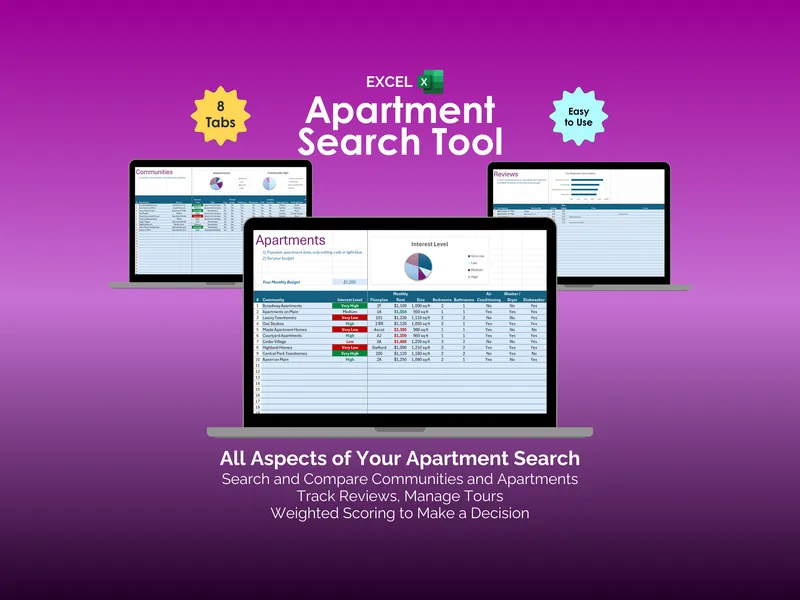
Apartment Search Tool - Excel
Apartment Search Tool is an eight-tab Excel workbook for renters comparing communities, apartment features, reviews, and tours, with weighted scoring to rank a shortlist.
Big DecisionsView details - $12.95 Spreadsheet

Streaming-Service Value & Watchlist Workbook — Cost Per Hour Watched, Keep/Rotate/Cancel Verdicts & a Rotation Planner for Excel & Google Sheets
A streaming tracker for Excel & Sheets that joins what each service costs to what you actually watched — cost per hour, a verdict, and a rotation plan.
TrackersView details