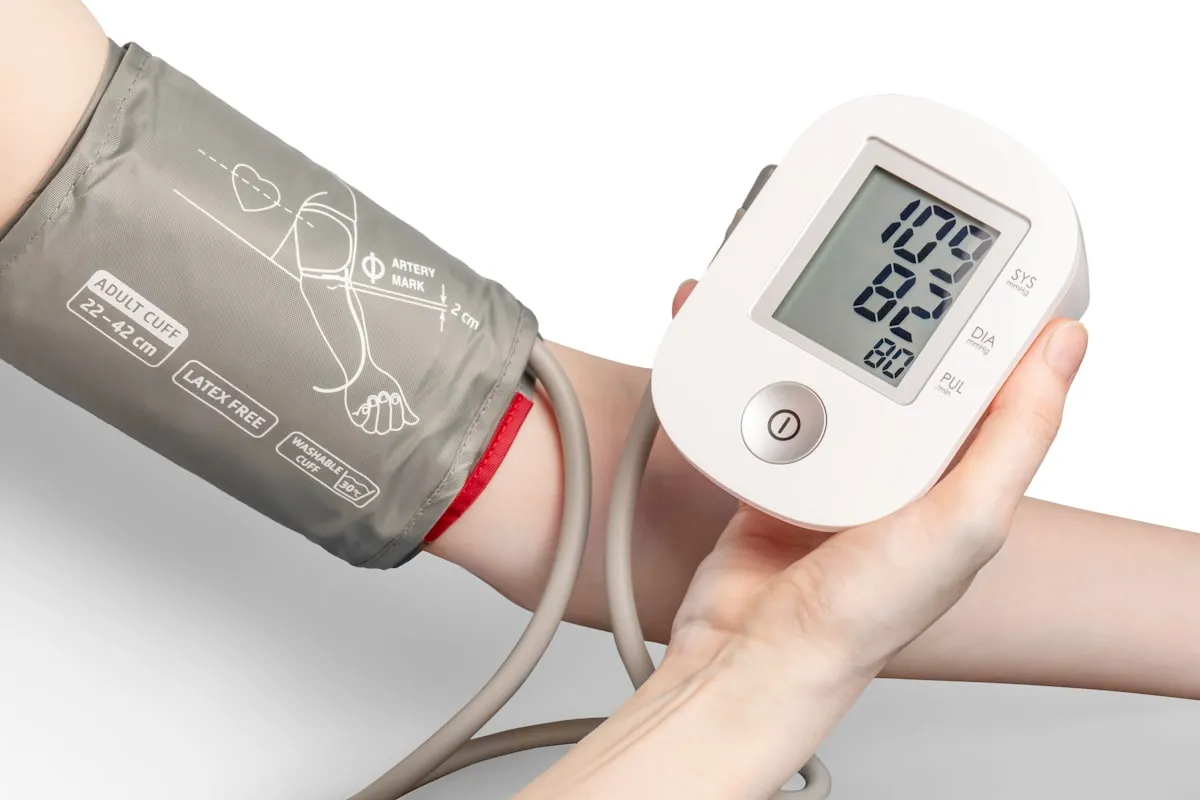
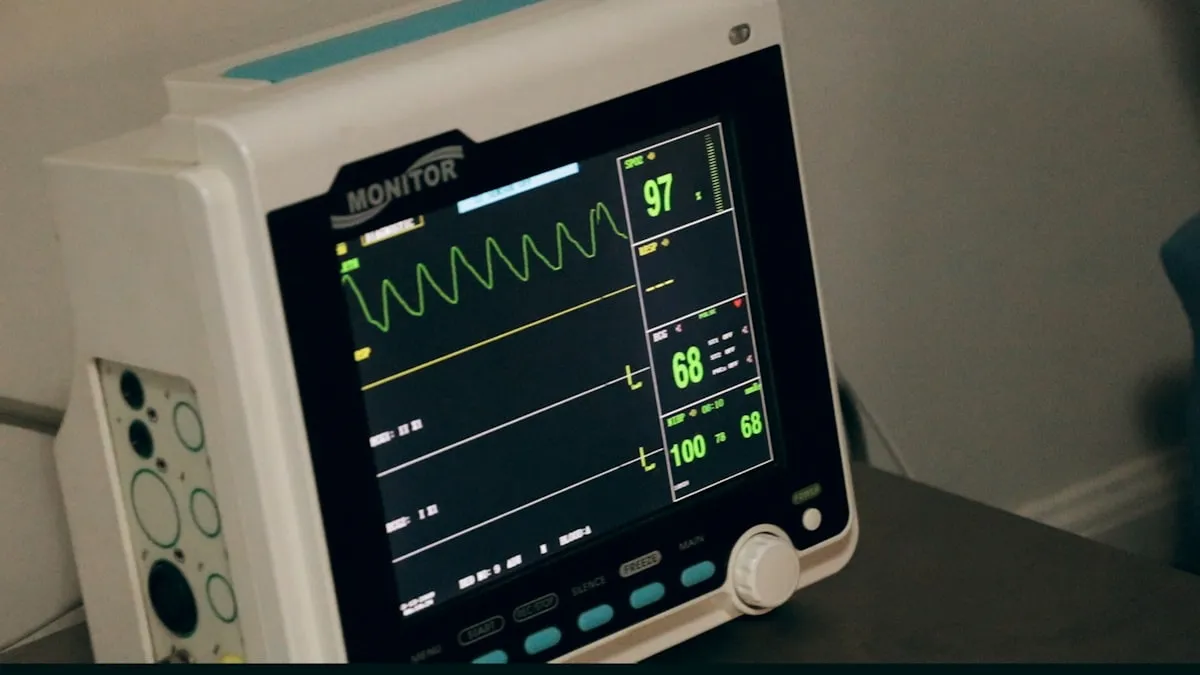
The two numbers
- Systolic (top number). The pressure in your arteries when the heart contracts and pushes blood out. The higher and more "active" of the two numbers.
- Diastolic (bottom number). The pressure in your arteries when the heart relaxes between beats. The lower, baseline pressure.
A reading of 122/78 mmHg means systolic 122 over diastolic 78. Both numbers carry diagnostic weight, and either one being elevated is a flag — not just the systolic.
The standard categories
Different medical bodies draw the lines slightly differently, but the widely used American Heart Association categories (for adults) are approximately:
- Normal. Less than 120 systolic AND less than 80 diastolic.
- Elevated. 120–129 systolic AND less than 80 diastolic.
- Stage 1 hypertension. 130–139 systolic OR 80–89 diastolic.
- Stage 2 hypertension. 140 or higher systolic OR 90 or higher diastolic.
- Hypertensive crisis. Higher than 180 systolic and/or higher than 120 diastolic — seek medical care.
"OR" is doing a lot of work in that list. Either number crossing a threshold puts the reading in the higher category. A reading of 118/91 is Stage 1, even though the systolic looks fine.
How to measure it correctly at home
Home readings are diagnostically more useful than clinic readings for most people — clinic readings often run elevated due to "white coat hypertension," and one reading isn't a trend. To get a clean home reading:
- Sit quietly for 5 minutes first. No talking, no phone scrolling.
- Feet flat on the floor, back supported. Don't cross your legs.
- Arm resting on a surface at heart level. Cuff on bare skin, snug but not tight.
- Take two or three readings, a minute apart. Record all of them, or the average.
- Measure at the same time(s) each day. Morning before coffee and evening before dinner is the standard cadence.
What moves blood pressure
- Salt intake. The single most-modifiable dietary driver for many people. Sodium varies day to day, and so does the reading.
- Stress and emotion. A heated phone call can move systolic by 20 points within minutes.
- Sleep. Poor sleep, especially fragmented sleep (apnea), drives both numbers up.
- Hydration. Dehydration lowers blood volume and can affect both numbers unpredictably.
- Caffeine and nicotine. Both raise the reading acutely. Caffeine effects fade within hours; nicotine's lift compounds for chronic users.
- Alcohol. Lowers BP briefly then raises it; chronic alcohol use raises it persistently.
- Exercise. Raises BP during the activity, lowers baseline BP over weeks of consistent training.
- Weight. Strong long-term correlation; modest weight loss often moves BP measurably.
- Medications. Many common ones affect BP — both prescription and over-the-counter (NSAIDs, decongestants).
Why a log beats any single reading
Blood pressure varies more than people expect — easily 10–20 points across a day, and as much as 30 with stress or exertion. A single elevated reading at a clinic visit is too noisy to act on. A two-week log with two readings a day gives a clinician something real to work with: the average, the variance, the AM vs. PM pattern, and the days that broke the pattern.
Most physicians treating hypertension will explicitly ask for a home log before adjusting medication. The log is the input to a real treatment decision; an isolated reading is at best a screening signal.
Common mistakes
- Measuring after climbing stairs. Any exertion in the previous 30 minutes elevates the reading.
- Cuff over clothing. Sleeves change the result.
- Talking during measurement. Adds several points, every time.
- Only logging when it feels high. Selection bias ruins the trend. Log on schedule, not on suspicion.
- Reacting to one number. A trend over a week is diagnostic. A single morning is not.
- Using a wrist cuff casually. Wrist cuffs need to be held at heart level to be accurate. Upper-arm cuffs are more forgiving and generally more reliable for tracking.
This page is general information, not medical advice. Persistent elevation, sudden changes, or readings above the crisis threshold are reasons to talk to a clinician, not to a spreadsheet.
Related templates and concepts
Blood pressure is often tracked alongside resting heart rate — the two metrics together give a fuller cardiovascular picture than either alone. Most home logs include both.
Templates that implement this
Templates that track blood pressure
3 templates
Log systolic, diastolic, and heart rate. AM and PM splits. Trend charts that surface patterns no single reading can show.
- $3.95 Excel
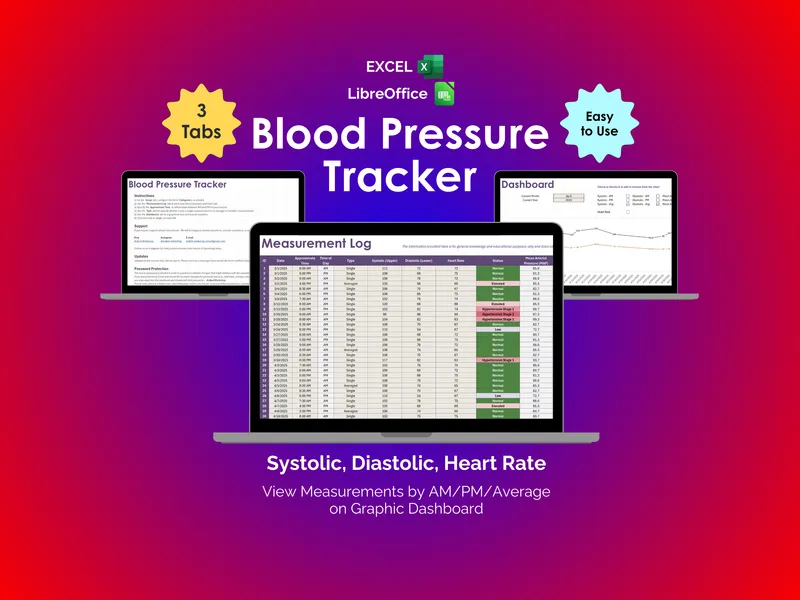
Blood Pressure Tracker - Excel
A single cuff reading rarely tells you what's actually happening. An Excel blood pressure tracker that logs systolic, diastolic, and heart rate as a pattern over time. Excel and LibreOffice files are both in the download.
Life AdminView details - $4.95 Excel
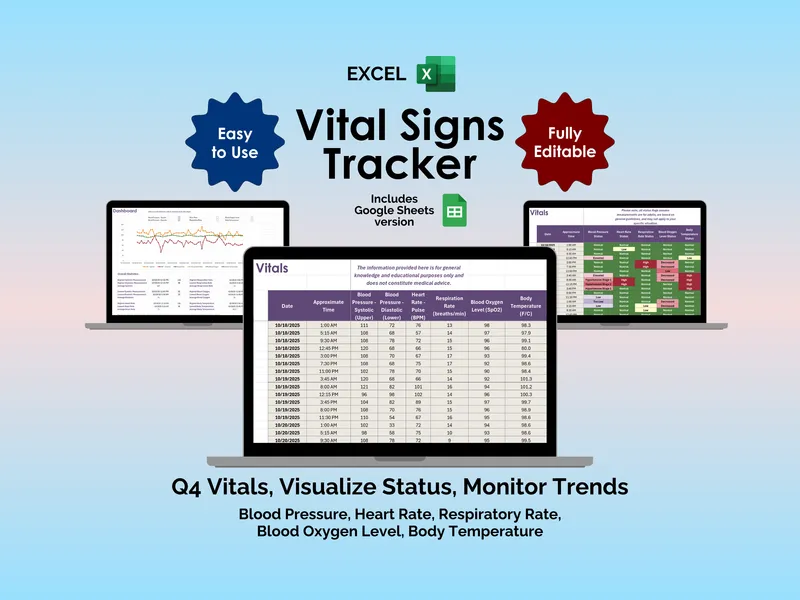
Vital Signs Tracker - Excel
Nobody warns you how loud a quiet number can feel. This excel vital signs tracker logs blood pressure, heart rate, SpO2, and temperature in one steady place.
Life AdminView details - $4.95 Sheets
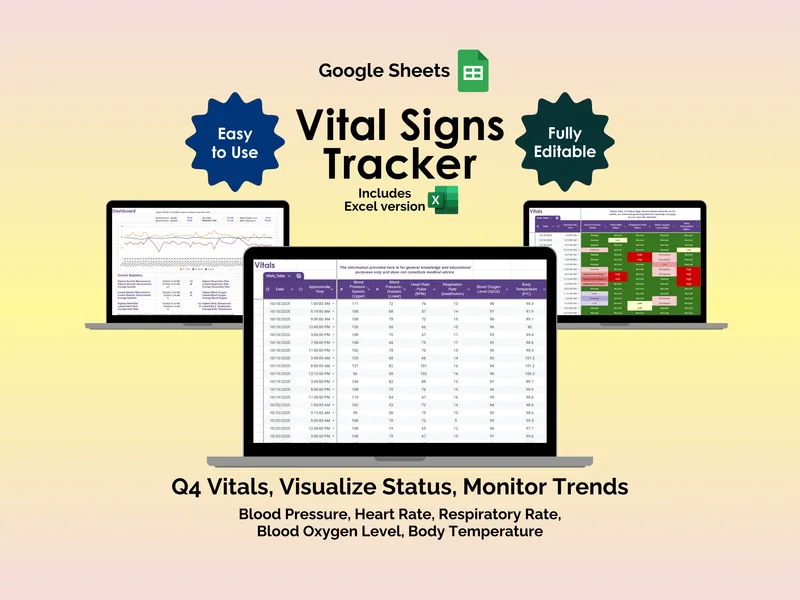
Vital Signs Tracker - Google Sheets
Home health logs fail at the same point every time: trends. This google sheets vital signs tracker turns scattered readings into a dashboard with status flags and clear ranges.
Life AdminView details