"Free" and "paid" templates aren't two grades of the same thing — they're built with different incentives. A free template usually exists to get your email or push you toward an upsell, so it's finished exactly enough to look good in a screenshot. A paid template has to survive being used, so it gets the unglamorous work: edge cases, instructions, testing, and fixes after launch. The right choice depends entirely on how much you're going to lean on it.
When free is the smart choice
- You need it once and then never again.
- The task is genuinely simple — a flat list, a basic monthly budget.
- You're happy to fix and finish it yourself.
- It's a starting point you intend to rebuild anyway.
There's no shame in a free template for a throwaway job. The mistake is using one for something your money, business or sanity depends on.
What you're actually paying for
The price of a good template isn't the file — it's the work you didn't have to do:
- Formulas that survive reality. Tested against the weird inputs that break a half-built sheet.
- Instructions. So you can actually use it without reverse-engineering someone else's logic.
- Coherent design. Built as one tool, not a pile of tabs bolted together.
- Support. A real address to email when something's off — not a dead comment section.
- Free updates. When it improves or a bug is fixed, you get the new version.
Side by side
| What matters | Free template | Paid template |
|---|---|---|
| Upfront price | Free | Low, one-time |
| Completeness | Often partial — finished enough to demo | Built to be used end to end |
| Testing | Rarely tested on edge cases | Tested against messy real inputs |
| Instructions | Usually none | Included |
| Support | None | A real contact for help |
| Updates | Whatever it was the day you got it | Free updates and fixes |
| Strings attached | Often an email grab or upsell | You own it; no funnel |
| True cost | Your time fixing & finishing it | The purchase price, then done |
The math that usually decides it
Run the honest calculation: how many hours will you spend finding, fixing and finishing a free template — and what's an hour of your time worth? Most paid templates cost less than an hour of it. If a tool saves you an afternoon of formula-wrangling on the very first use, the price stopped mattering the moment you opened it.
Picking a paid template that's actually good
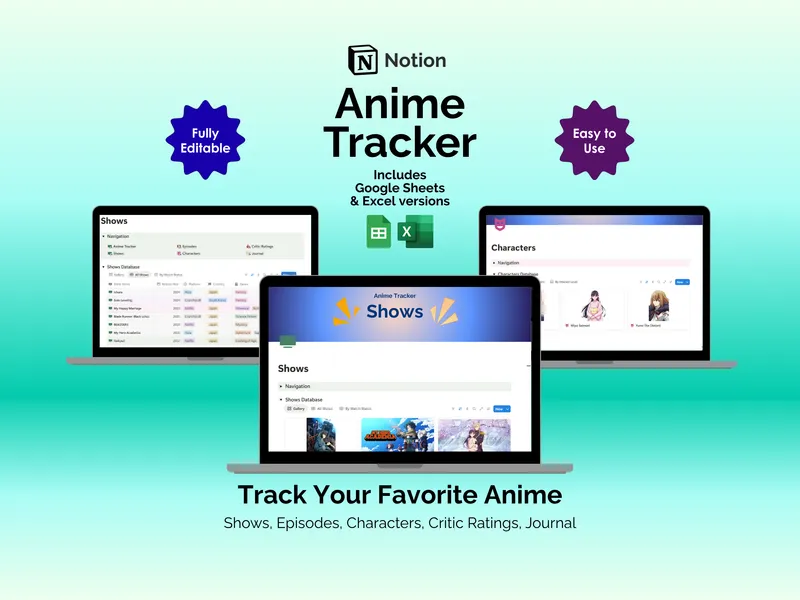
Paid doesn't automatically mean good. Look for clear screenshots of the real file, a stated format (and whether it ships in Excel, Google Sheets or Notion — see how the formats compare), described instructions, a visible support contact, and a promise of free updates. If a listing hides the inside of the file, that tells you something.
Once a template is keeping your whole business in sync rather than handling one task, you may have outgrown templates entirely — that's a different question: spreadsheets vs inventory software.
Frequently asked questions
- Are free spreadsheet templates worth it?
- For simple, one-off needs — a basic budget, a quick list — a free template is often all you need. The cost shows up with anything you'll rely on repeatedly: free templates are frequently half-finished, untested on edge cases, unsupported, and built to funnel you toward an upsell. The price you pay is the time you spend fixing and finishing them.
- What do you actually get when you pay for a template?
- A finished, tested tool: formulas that handle edge cases, clear instructions, a coherent design, and free updates when something needs fixing. With our templates you also get matched editions across Excel, Google Sheets and Notion where they exist, and a real support address rather than a dead comment thread.
- Why would I pay for something I could build myself?
- You can build almost any template yourself — the question is whether your time is worth more than the price. A paid template is hours of building, testing and debugging someone has already done. If a tool saves you an afternoon of formula-wrangling, it's usually paid for itself on the first use.
- Do paid templates include updates?
- Ours do. When a formula needs fixing or we improve a template, existing buyers get the updated version free. A free download is whatever it was the day you grabbed it — there's rarely anyone maintaining it.